
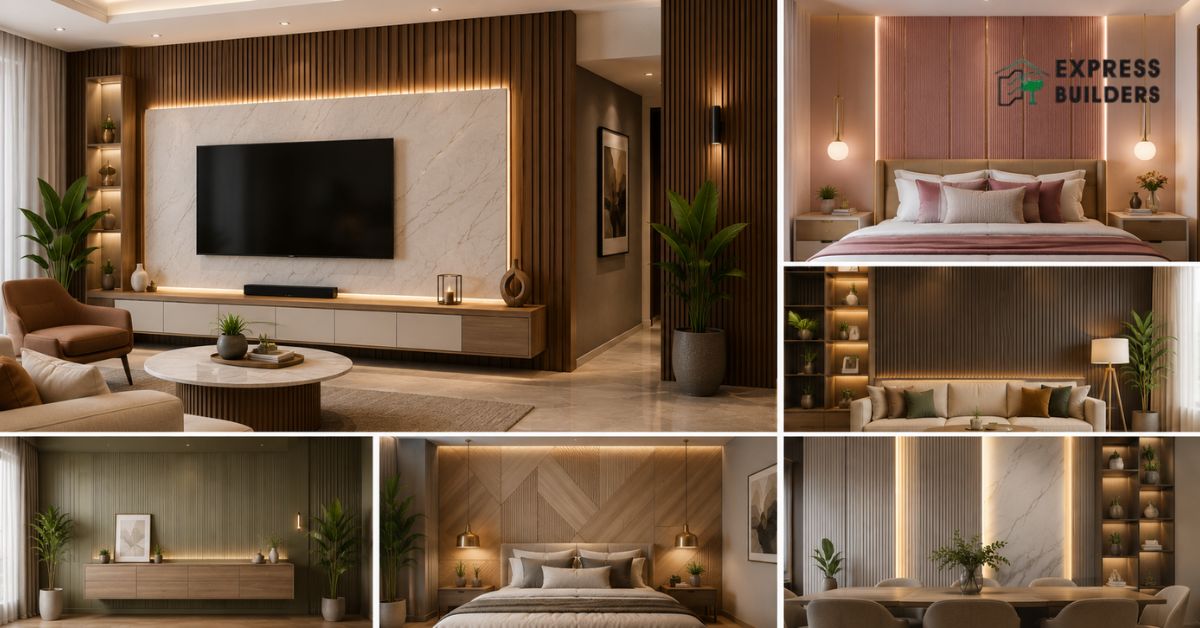
Home interiors change fast with new design trends every year. Wall panel designs offer a stylish way to upgrade plain walls. Homeowners now choose these panels over regular paint or wallpaper. These panels add texture, depth, and character to any room. They also hide minor wall imperfections without major repair work. This blog explores popular wall panel designs for different spaces. It also covers materials, styles, and practical tips for selection.
What Are Wall Panel Designs
Wall panel designs use decorative boards fixed directly onto walls. These boards come in wood, PVC, MDF, or fabric finishes. Each material offers a different look and durability level. Wall panelling designs living room spaces often mix wood tones with modern finishes. Panels can cover a full wall or a single accent section. Designers use them to create focal points in bedrooms and halls. Many homeowners pick panels for their easy installation process. Panels also reduce noise and add insulation to interior walls.
Panels also come in 3D textured styles for extra depth. Laminate panels offer a budget-friendly option with varied finishes. Some panels feature stone or leather-like textures for a premium look. Interior designers often combine two panel types on one wall. This mix creates visual interest without overwhelming the space.
Why Choose Wall Panel Designs for Your Home
Wall panel designs bring several practical and visual benefits to homes. They protect walls from scratches, stains, and everyday wear. Panels also require less maintenance compared to painted or wallpapered walls. Cleaning panels only needs a soft cloth and mild cleaner. These designs suit both compact apartments and large independent homes. They work well in living rooms, bedrooms, and home offices. Panels also help control room temperature by adding an extra layer. This layer keeps interiors cooler during summer and warmer in winter. Many buyers now prioritize panelling during home renovation projects.
Panels also increase resale value by improving overall interior appeal. Buyers often view panelled walls as a sign of quality construction. These designs suit rental properties since most panels install without drilling. Landlords appreciate panels for their long lifespan and low upkeep needs. Families with children benefit from panels that resist dents and marks.
PVC Wall Panel Design: A Popular Choice
PVC wall panel design has become popular among urban homeowners. PVC panels resist moisture, making them ideal for humid climates. They also resist termites, unlike traditional wooden panelling options. A pvc panel design for wall installs quickly without heavy tools. Workers fix these panels using adhesive or a simple click system. This installation method reduces labour cost and project time significantly. PVC panels come in wood-textured, marble-textured, and plain colour finishes. Homeowners can match panels with existing flooring or furniture tones. These panels also cost less than solid wood alternatives. Budget-conscious buyers often select pvc wall panel design for this reason.
Modern PVC Wall Panel Design for Bedroom Spaces
A modern pvc wall panel design for bedroom creates a calm, cozy feel. Soft grey and beige tones work well behind the bed. Vertical panel lines make bedroom ceilings appear taller and airier. Horizontal panels suit wider rooms and create a relaxed visual flow. Many designers add subtle lighting behind panels for a warm glow. This lighting highlights the panel texture during evening hours. A pvc wall panel design for bedroom also pairs well with minimal furniture. Simple headboards and floating shelves complement panelled bedroom walls nicely. Buyers should choose matte finishes for a softer bedroom atmosphere.
Wall Panelling Designs Living Room: Creating a Statement Wall
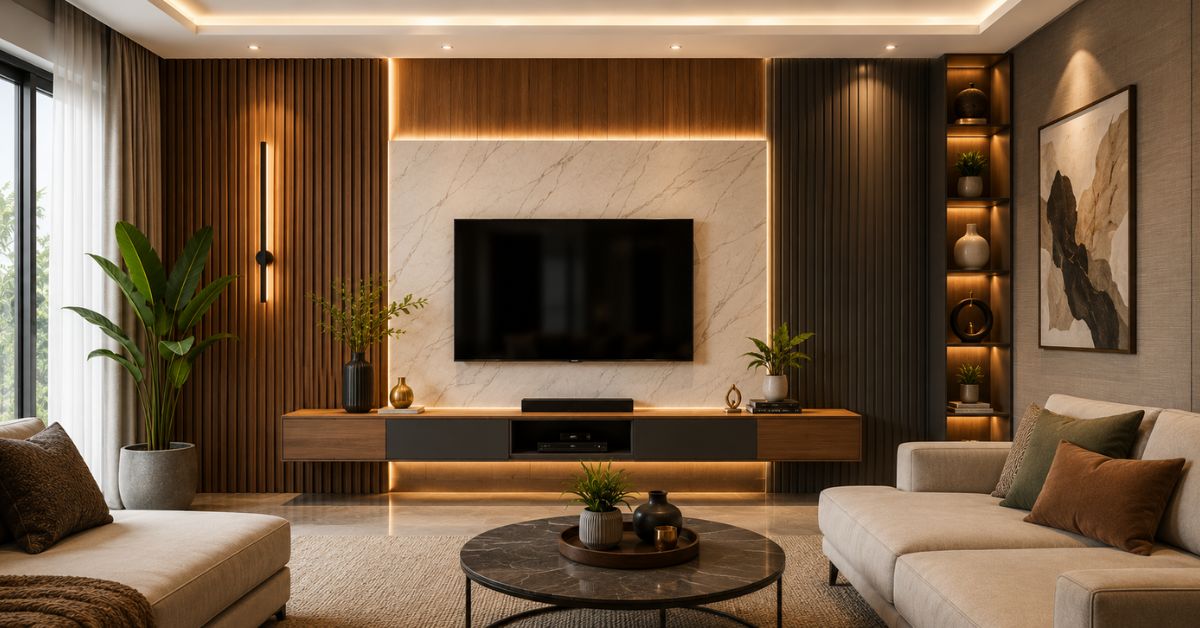
Wall panelling designs living room layouts often focus on one feature wall. This wall usually sits behind the sofa or television unit. Geometric patterns add a contemporary touch to living spaces. Fluted panels create vertical grooves that add subtle movement to walls. Wood-finish panels bring warmth to otherwise cool, modern interiors. Pvc wall panels designs for living room spaces suit rental homes too. They install without damaging original walls underneath the panels. Tenants can remove panels easily when moving to a new home. Large families often prefer neutral tones for shared living areas.
Some homeowners add mirror strips between panel sections for extra light. This technique makes small living rooms feel more open and bright. Warm wood tones pair well with soft ambient lighting fixtures. Cool grey panels suit contemporary furniture and minimalist decor styles.
Also Read- Bedroom Gate Design: Ideas, Materials And Styling Tips
Wall Panel Design for Bedroom: Choosing the Right Style
A wall panel design for bedroom should match the room size and light. Small bedrooms benefit from light colours and simple panel patterns. Bold patterns can overwhelm compact spaces and reduce visual comfort. Large bedrooms allow bolder textures and darker panel shades. Textured panels add depth without needing extra wall decor. Homeowners can combine panels with wallpaper for added contrast. This mix works well on accent walls near the bed. A wall panel design for bedroom also improves acoustic comfort at night. Panels absorb sound better than smooth painted surfaces.
Parents often choose softer pastel shades for children’s bedroom walls. These tones create a calming environment suited for rest and study. Textured panels also add a tactile element that children enjoy. Safety-tested materials matter most when selecting panels for kids rooms.
Materials Used in Wall Panel Designs
Several materials shape modern wall panel designs across Indian homes. Wood panels suit traditional and rustic interior styles well. MDF panels offer a smooth finish at a moderate price point. PVC panels remain the top choice for moisture-prone areas. Fabric panels add softness and work well in bedrooms. Stone-finish panels suit statement walls in living rooms and lobbies. Each material varies in cost, durability, and installation complexity. Buyers should match material choice with room function and climate.
Cost Factors for Wall Panelling
Panel cost depends on material, thickness, and finish quality chosen. PVC panels usually cost less than wood or stone options. Labour charges vary based on wall size and installation complexity. Textured or 3D panels often cost more than flat designs. Buyers should request quotes from multiple installers before deciding. Comparing quotes helps balance budget with desired design quality.
Installation Process for Wall Panels
Installation begins with measuring wall dimensions and marking panel placement. Workers then clean the wall surface to remove dust and debris. Panels attach using adhesive, screws, or a click-lock system. Edges get sealed to prevent moisture from entering behind panels. The entire process usually takes one to three days. Larger rooms or intricate patterns may need additional installation time.
Latest Trends in Panelling Styles
Fluted and ribbed textures remain popular across bedrooms and living rooms. Earthy tones like terracotta and olive green are gaining popularity too. Matte finishes continue to outperform glossy options in most modern homes. Mixed material walls, combining wood and stone, are trending in metro cities. Sustainable and recycled materials are also becoming a buyer priority.
Tips for Selecting the Right Wall Panels
Homeowners should measure wall dimensions before choosing panel sizes. Larger panels suit bigger rooms and reduce visible seams. Smaller panels work better in narrow hallways and compact rooms. Buyers should check panel thickness for durability and sound insulation. Thicker panels generally last longer under daily wear and tear. Colour selection should match existing flooring, doors, and furniture. Neutral shades offer flexibility for future decor changes. Buyers should also confirm fire safety ratings before installation. This step matters most for kitchen and utility area panels.
Also Read- House Colour Inside Ideas That Will Transform Every Room in 2026
Maintenance and Care for Panelled Walls
Wall panels need minimal upkeep compared to painted surfaces. Regular dusting keeps panels free from dirt and buildup. A damp cloth removes most stains without damaging panel finishes. Avoid harsh chemicals that may fade panel colour over time. Check panel edges periodically for gaps or loose fittings. Quick repairs prevent moisture damage in humid seasons. Proper maintenance extends panel life well beyond a decade.
Conclusion
Wall panel designs offer a practical and stylish upgrade for homes. They suit bedrooms, living rooms, and shared family spaces equally well. PVC options provide affordability, durability, and easy maintenance for buyers. Homeowners should choose materials and finishes based on room function. Thoughtful panel selection improves both comfort and visual appeal at home.
Book Your Site Visit
Ready to elevate your home with elegant, modern interiors? Express Builder brings quality construction and thoughtful design to every project. Explore our residential projects and see how well-planned spaces enhance daily living. Book a free site visit today and experience our craftsmanship firsthand.
Frequently Asked Questions
What is the average cost of wall panel designs?
Costs vary based on material, room size, and finish quality selected.
Are PVC wall panels safe for bedrooms?
Yes, PVC panels are safe, moisture-resistant, and easy to maintain indoors.
Can wall panels be installed without damaging existing walls?
Most panels use adhesive or click systems, avoiding major wall damage.
Which rooms suit wall panelling the most?
Bedrooms, living rooms, and home offices benefit most from wall panelling.
