
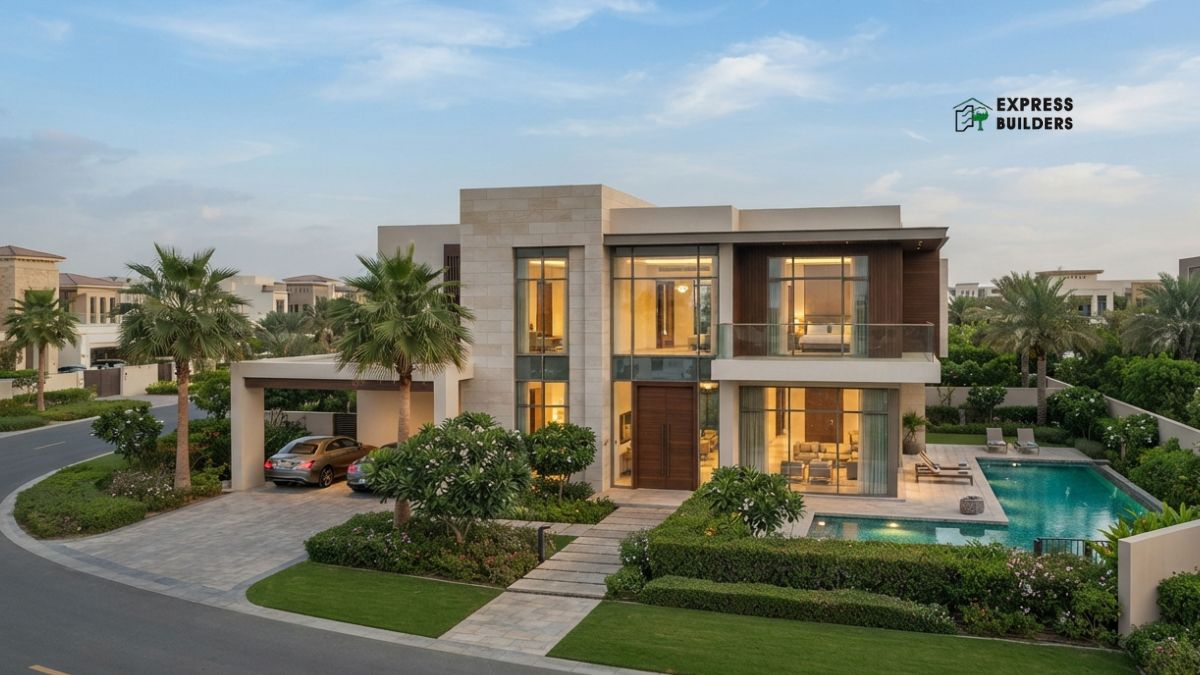
A villa house offers a unique blend of privacy, luxury, and open living space. Many homebuyers now prefer a villa house over a regular apartment. This shift comes from the desire for more space and independence. A villa home gives owners the freedom to design their own lifestyle. This guide explains what a villa house is, why people choose it, and how villa house design shapes modern living.
What Is a Villa House
A villa house is a standalone residential property with its own plot of land. It usually includes a private garden, parking space, and sometimes a swimming pool. Unlike apartments, a villa home does not share walls with neighbours. This gives residents complete privacy and control over their surroundings. Villa homes often come in gated communities with shared amenities. These communities offer security, landscaped gardens, and recreational spaces. Buyers get the best of both worlds: independence and community living.
Why Villa Houses Are Gaining Popularity
More families are choosing villa homes over traditional flats. Several factors drive this trend across urban and suburban markets.
- Privacy remains a top priority for growing families
- Open spaces support a healthier and more active lifestyle
- Custom design options let owners personalize every corner
- Higher resale value compared to many apartment units
- Better ventilation and natural light throughout the home
- Space for gardens, home offices, or personal gyms
Villa houses also appeal to buyers seeking a peaceful environment. Cities have become crowded, and open spaces feel rare. A villa home offers a retreat within reach of urban conveniences. Many gated villa communities sit close to schools, hospitals, and shopping centers. This balance of comfort and connectivity attracts modern homebuyers.
Read More: Penthouse Design: Creating Luxury Living Spaces That Inspire
Types of Villa Houses
Villa homes or houses come in different formats to suit various needs and budgets.
- Independent Villas: These stand alone on a private plot. Owners have full control over the structure and land. Independent villas offer maximum privacy and customization freedom.
- Row Villas: Row villas share a common wall with neighboring units. They cost less than independent villas. Buyers still enjoy private entrances and small gardens.
- Duplex Villas: Duplex villas span two floors with a spiral or straight staircase. They suit families who want extra space without a larger plot. Duplex layouts separate living and sleeping areas efficiently.
- Villa Apartments: These combine villa-style luxury with apartment convenience. Villa apartments sit within larger complexes but include private terraces or gardens. They work well for buyers who want villa features at lower costs.
Each type offers distinct advantages. The right choice depends on budget, family size, and lifestyle goals.
Villa House Design: Key Elements
Villa house design plays a major role in comfort and functionality. Good design balances aesthetics with practical living needs. Here are the core elements that define modern villa house design.
Layout and Space Planning
A well-planned villa house design maximizes every square foot. Open floor plans connect the living, dining, and kitchen areas. This creates a spacious feel and encourages family interaction. Bedrooms usually sit away from common areas for added privacy. Smart layouts also include utility rooms, storage spaces, and home offices.
Exterior Architecture
The exterior sets the tone for the entire villa house design. Clean lines, large windows, and balanced proportions create a modern look. Many villa houses feature a mix of glass, stone, and wood. This combination adds texture without overwhelming the structure. Sloped or flat roofs both work well, depending on regional climate and style preference.
Natural Light and Ventilation
Good villa house design prioritizes natural light and airflow. Large windows and skylights reduce dependence on artificial lighting. Cross ventilation keeps interiors cool and reduces energy costs. Courtyards and open verandas also improve air circulation throughout the home.
Garden and Outdoor Spaces
A defining feature of villa houses is outdoor space. Gardens, lawns, and patios extend the living area outdoors. Many owners use this space for relaxation or entertaining guests. Landscaped gardens also improve the overall aesthetic appeal of the property.
Interior Design Choices
Interior design completes the villa house experience. Neutral color palettes create a calm and elegant atmosphere. Wooden flooring adds warmth, while marble flooring adds a premium touch. Statement lighting fixtures enhance key areas like the living room and staircase. Built-in storage solutions keep interiors clutter-free and organized.
Vastu Tips for Villa Houses
Many buyers in this region consider Vastu principles during construction. Following these guidelines can improve energy flow within the home.
- Place the main entrance facing north, east, or northeast
- Position the kitchen in the southeast corner of the house
- Keep the master bedroom in the southwest direction
- Avoid placing a staircase at the center of the villa
- Ensure the pooja room faces northeast for positive energy
These tips are optional but popular among traditional homebuyers. They add a sense of balance and harmony to the living space.
Benefits of Owning a Villa House
Owning a villa house comes with several long-term advantages. These benefits extend beyond daily comfort and touch financial and lifestyle factors.
- Privacy and Independence: Villa houses offer complete independence from shared walls and common corridors. Families enjoy their own space without noise from neighbors.
- Customization Freedom: Owners can modify layouts, add extensions, or redesign interiors freely. This flexibility is often limited in apartment settings due to society rules.
- Higher Investment Value: Villa houses often appreciate faster than apartments in growing markets. Land ownership adds long-term value that structures alone cannot provide.
- Space for Growing Families: Villa houses accommodate expanding families more comfortably. Extra rooms, gardens, and parking space grow with changing needs.
- Enhanced Security: Gated villa communities offer round-the-clock security and controlled access. This gives families peace of mind, especially with children at home.
Things to Consider Before Buying a Villa House
Buyers should evaluate several factors before making a final decision. This ensures the villa house meets both current and future needs.
- Check the legal title and land ownership documents carefully
- Review the builder’s track record and construction quality
- Confirm availability of water, electricity, and sewage connections
- Assess proximity to schools, hospitals, and workplaces
- Understand maintenance costs for gardens and shared amenities
- Verify approvals from local development authorities
Taking time to research these factors prevents future complications. A well-informed decision leads to long-term satisfaction with the property.
Villa House Design Trends in 2026
Villa house design continues to evolve with changing lifestyle needs. Several trends are shaping how villas look and function today.
- Sustainable Design: Eco-friendly materials and solar panels are becoming standard features. Rainwater harvesting systems also reduce water waste significantly.
- Smart Home Integration: Automated lighting, security systems, and climate control add convenience. Smart villa houses let owners manage homes remotely through mobile apps.
- Minimalist Aesthetics: Clean lines and clutter-free interiors dominate current villa house design. This approach creates a calm and spacious feel throughout the home.
- Multi-Functional Spaces: Home offices, gyms, and entertainment rooms are now common additions. Villa house design increasingly supports flexible, work-from-home lifestyles.
- Biophilic Design: Indoor plants, natural materials, and large windows connect interiors with nature. This trend improves both aesthetics and mental wellbeing.
Villa House vs Apartment: A Quick Comparison
Understanding the differences helps buyers choose the right property type.
- Villa homes offer private land ownership; apartments offer shared ownership
- Villas provide more space; apartments maximize vertical living
- Villas allow full customization; apartments follow society guidelines
- Villas require more maintenance; apartments share maintenance responsibilities
- Villas often cost more upfront; apartments offer lower entry prices
Both options have merits. The right choice depends on budget, lifestyle, and long-term goals.
Maintaining a Villa House
Regular maintenance keeps a villa homes in excellent condition over time. Owners should schedule routine checks for plumbing, electrical systems, and roofing. Garden upkeep also requires consistent attention throughout the year. Seasonal deep cleaning prevents dust and moisture buildup in interiors. Setting aside a maintenance budget helps manage these costs efficiently.
Conclusion
A villa house offers unmatched privacy, space, and design freedom. Thoughtful villa house design enhances comfort and long-term value. From layout planning to interior finishes, every detail matters. Buyers who prioritize research and planning make confident, lasting decisions. A villa house remains a strong choice for families seeking a better lifestyle.
Looking for your dream villa house? Express Builder brings thoughtfully designed villa homes with modern layouts and premium amenities. Explore spacious plans built for comfort, privacy, and lasting value. Book a site visit today and experience villa living firsthand. Contact our team to schedule your visit and take the first step toward owning your ideal home.
Frequently Asked Questions
What is the difference between a villa house and a bungalow?
A villa house typically sits within a planned community with shared amenities. A bungalow usually stands as a single independent structure without community features.
Is a villa house a good investment?
Yes, villa homes often appreciate well due to land ownership. Growing demand for private, spacious homes supports long-term value growth.
What size plot is ideal for a villa house?
Plot sizes vary based on budget and location preferences. Most villa homes range between 150 and 400 square yards.
Can villa house design be customized after construction?
Yes, most villa houses allow structural and interior modifications. Buyers should check approval requirements before making major changes.
