
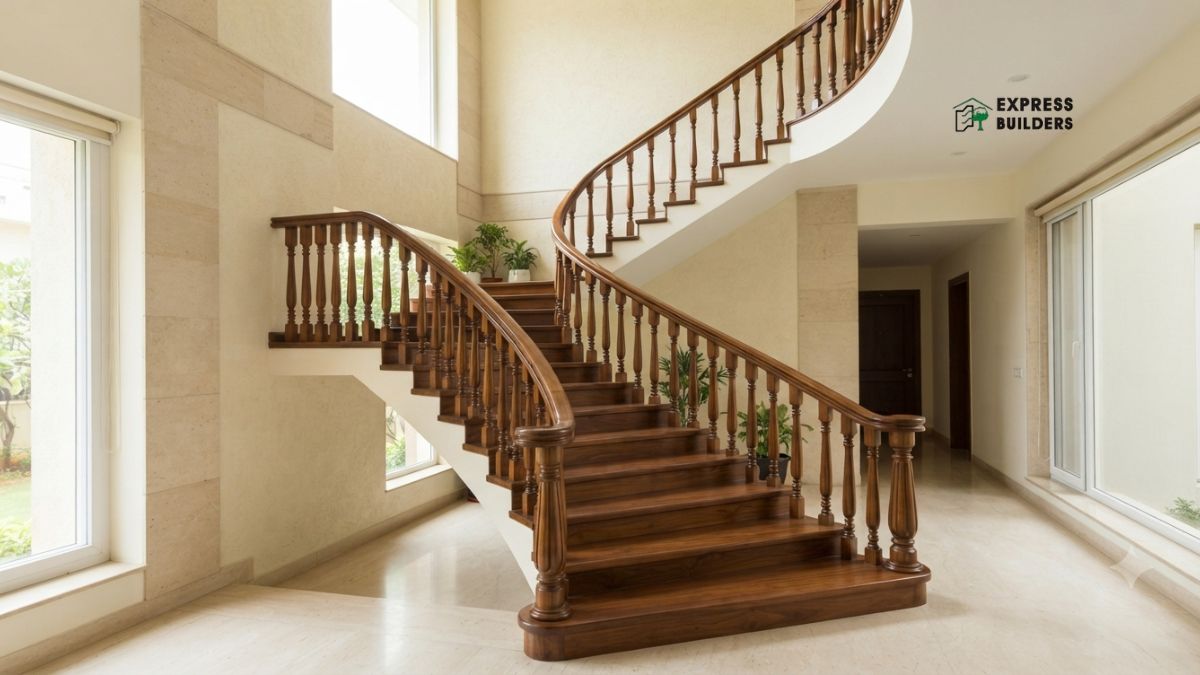
A staircase connects different levels of your home. It also carries strong Vastu significance. For an east-facing house, staircase placement affects energy flow directly. Wrong placement can disturb peace and prosperity. Correct placement brings health, wealth, and harmony. This guide explains staircase Vastu for east facing house in detail.
Why Staircase Vastu Matters
Vastu Shastra treats staircases as energy channels. They move energy from one floor to another. A poorly placed staircase blocks positive energy flow. It can also invite financial stress and health issues. A well-placed staircase supports growth and stability. This makes staircase placement a critical design decision.
East-facing houses receive morning sunlight directly. This sunlight carries positive energy into the home. The staircase should not block this natural flow. It should complement the house’s east-facing orientation. This balance improves overall harmony inside the home.
Basic Vastu Principles for Staircases
Vastu experts recommend certain directions for staircases. The south, west, and southwest zones work best. These directions represent stability and grounded energy. Staircases here support strength and permanence in the home.
- The northeast zone should stay free of staircases. This zone represents purity and spiritual energy. A staircase here can disturb mental peace. It may also affect financial growth negatively.
- Staircases should always move in a clockwise direction. This means steps rise from north to south. Or they can rise from east to west. Clockwise movement aligns with natural energy flow. Anticlockwise staircases can create energy imbalance.
- The number of steps also matters in Vastu. Steps should be in odd numbers ideally. Avoid multiples of five in the total count. This includes the landing steps in the calculation.
Read More: Staircase Vastu: Direction, Position, and Rules for a Balanced Home
Internal Staircase for East-Facing House
An internal staircase for east-facing house needs careful positioning. The south or west zone works best indoors. This placement keeps the northeast corner open and light.
- Placing the staircase in the southwest is ideal. This zone naturally supports heavier structures like staircases. It creates balance between structure and open energy zones.
- Avoid placing the staircase in the center of the house. The center represents the Brahmasthan, a sacred zone. Structures here disturb the home’s core energy balance. Keep this area open and clutter-free instead.
- The staircase should not directly face the main door. This blocks entering positive energy from spreading inward. Place it at an angle or behind a wall instead.
- Internal staircases should have proper lighting throughout. Dark staircases trap stagnant energy over time. Natural light or bright fixtures work well here. This keeps energy moving freely through the home.
- Handrails and landings should follow the same clockwise rule. This maintains consistent energy flow across all floors. Broken or uneven steps disrupt this flow negatively.
External Staircase Vastu for East Facing House
External staircase Vastu for east facing house differs slightly. Outdoor staircases connect the ground floor to upper levels. They often serve duplex or multi-story homes.
- The south or west side works best for external staircases. This keeps the east and north sides open. Open east and north zones invite positive morning energy.
- External staircase direction as per Vastu should also flow clockwise. Steps should rise toward the south or west. This mirrors the internal staircase guidelines closely.
- Avoid placing external staircases in the northeast corner. This corner should remain open for energy circulation. A staircase here can block prosperity and growth.
- The staircase should not overshadow the main entrance. It should stand separate from the primary doorway. This keeps the entrance zone energetically clear.
- Materials matter for external staircases too. Concrete and stone work well structurally. They also align with Vastu’s grounding principles. Avoid overly reflective or unstable materials outdoors.
East Facing House Staircase Plan
Planning a staircase requires attention to multiple zones. Start by mapping your plot using a Vastu grid. Divide the layout into nine equal zones. Identify the southwest, south, and west sections clearly. These zones suit staircase placement best. Mark the northeast and center as restricted zones. Your east facing house staircase plan should include proper width. Standard staircases need at least three feet of width. This ensures comfortable and safe movement daily. Plan the staircase direction before finalizing the house layout. Retrofitting staircases later can disrupt existing Vastu balance. Early planning saves cost and structural changes later.
Consider natural light sources near the staircase area. Windows or skylights work well in the southwest. They keep the staircase bright and energetically active. Also plan storage space under the staircase carefully. Avoid storing broken items or heavy clutter there. This space should stay clean and organized always.
Staircase Vastu for East Facing House Feng Shui
Feng Shui and Vastu share similar staircase principles. Both systems value smooth, unobstructed energy flow. However, some differences exist between the two practices.
Feng Shui focuses more on staircase shape and flow. Curved staircases are preferred in Feng Shui practice. Vastu prefers straight staircases with defined direction. Feng Shui also emphasizes avoiding staircases facing doors directly. This principle aligns closely with Vastu guidelines too. Both systems avoid direct staircase-to-door alignment.
Combining staircase vastu for east facing house feng shui principles works well. Choose a southwest placement for structural stability. Add gentle curves if the design allows flexibility. Both systems agree on keeping staircases well-lit. Dark, cramped staircases disrupt energy in both practices. Bright, spacious staircases support positive movement always.
Staircase Vastu for East Facing House as Per Vastu
Staircase vastu for east facing house as per vastu follows fixed rules. The southwest zone remains the top choice. This applies to both single and multi-story homes.
- The staircase should never rise from the northeast. This rule stays constant across all house orientations. East-facing homes especially benefit from this restriction.
- Vastu also recommends solid, non-hollow staircases. Hollow or floating staircases lack grounding energy. Solid construction supports stability and long-term prosperity.
- The staircase should have a defined start and end point. Avoid staircases that lead to unclear or open spaces. Every staircase should connect to a proper room.
- Placing a water feature near the staircase is discouraged. Water and staircases represent conflicting energy elements. Keep water features in the northeast instead.
Staircase Vastu for East Facing House South Facing
Some east-facing homes also have south-facing staircase access. This dual orientation needs careful balancing in design.
- Staircase vastu for east facing house south facing typically favors the southwest. This placement respects both the house and staircase orientation. It avoids conflicting energy between the two directions.
- South-facing staircases should still rise clockwise. This means steps move from south to west ideally. This maintains consistent energy flow throughout the structure.
- Avoid placing south-facing staircases near the main bedroom. This can create restlessness and disturbed sleep patterns. Keep bedrooms away from direct staircase alignment.
- Ventilation becomes important for south-facing staircases. South-facing areas receive more heat during the day. Proper airflow keeps the staircase comfortable and functional.
Staircase Vastu for East Facing Duplex House
Duplex homes have unique staircase requirements. They connect two distinct living levels internally. Staircase placement affects both floors simultaneously.
- Staircase vastu for east facing duplex house follows the same southwest rule. This zone supports the additional structural weight well. It also maintains energy balance across both floors.
- Duplex staircases should align vertically between floors. Avoid staggered or offset staircase designs. Vertical alignment maintains consistent energy movement upward.
- The upper floor landing should not open toward the northeast. This rule applies even on higher levels. Keep this zone open on every floor.
- Duplex homes often include external staircases too. These should follow external staircase Vastu guidelines closely. Southwest or south placement works best outdoors.
- Balconies near duplex staircases should stay uncluttered. Open balconies support better light and air circulation. This enhances the staircase’s overall energy quality.
Common Staircase Vastu Mistakes to Avoid
Many homeowners make avoidable staircase placement errors. Awareness helps prevent long-term Vastu imbalances.
- Avoid placing staircases directly opposite the main door. This blocks entering energy from circulating properly. Always maintain some distance or angle instead.
- Avoid anticlockwise staircase designs completely. This disrupts natural energy movement throughout the home. Clockwise designs remain the safer choice always.
- Avoid placing staircases in the northeast or center. These zones need to stay open and light. Structures here weaken the home’s core energy.
- Avoid narrow, poorly lit staircases in any design. These create cramped, stagnant energy pockets. Wide, bright staircases support smoother energy flow.
- Avoid broken or uneven steps in construction. These represent instability in Vastu interpretation. Regular maintenance keeps staircases structurally and energetically sound.
Benefits of Correct Staircase Vastu
Correct staircase placement offers multiple benefits. It supports better health for household members. It also encourages financial stability over time. Proper placement improves overall mental peace at home. Family relationships often benefit from balanced energy flow. Career growth may also see positive effects. Correct Vastu placement adds long-term value too. It supports better resale potential for the property. Buyers often value Vastu-compliant home designs.
Final Thoughts on Staircase Vastu
Staircase Vastu for east facing house involves multiple considerations. Direction, placement, and design all play important roles. The southwest zone remains the safest choice overall. Whether internal or external, staircases should flow clockwise. They should avoid the northeast and center zones. Proper lighting and solid construction matter equally.
Planning early ensures better Vastu compliance throughout. It also reduces costly structural changes later. A well-planned staircase supports a harmonious home. Following these principles creates balanced energy flow. It supports health, wealth, and family harmony together. Thoughtful staircase design benefits every east-facing home.
Frequently Asked Questions
Which direction is best for staircases in east-facing houses?
The southwest direction works best for staircases. It supports stability and proper energy flow.
Can a staircase face the main door directly?
No, staircases should avoid facing doors directly. This placement blocks positive energy from entering.
How many steps should a staircase have?
Steps should follow odd numbers ideally. Avoid multiples of five in total count.
Is a northeast staircase acceptable in any case?
No, the northeast should stay staircase-free always. This zone needs open, unobstructed energy flow.
