
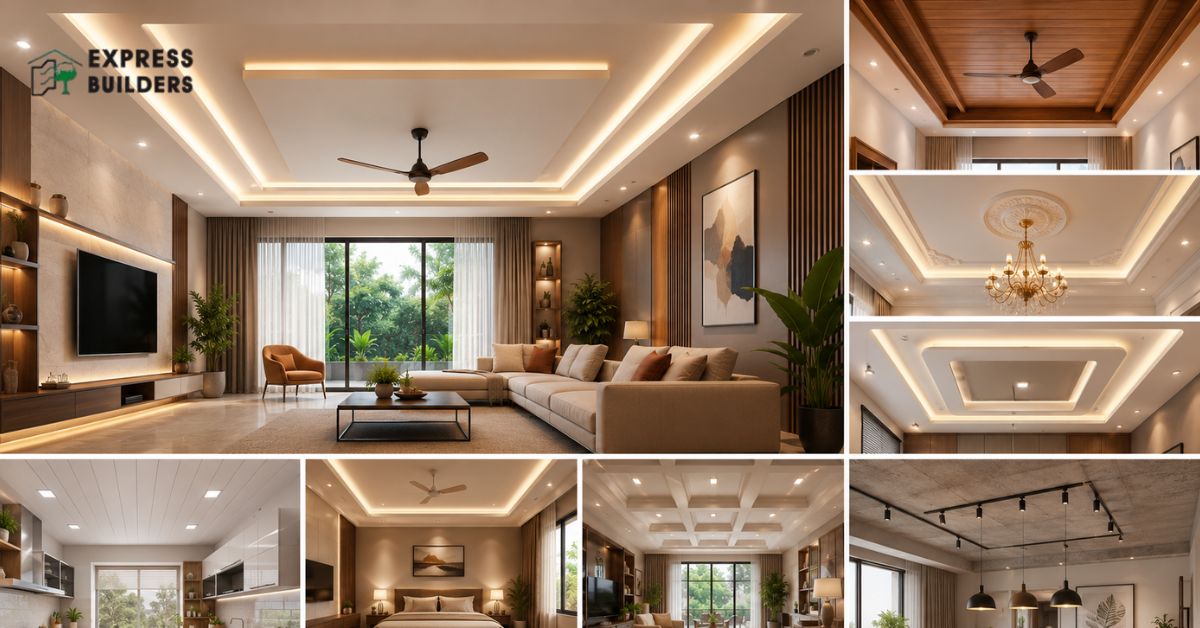
A house ceiling shapes the mood of every room in your home. Many homeowners focus only on walls and flooring. They forget that a well planned ceiling design can transform a space completely. The right ceiling adds height, style, and character to any room. It also influences light, airflow, and overall comfort. This guide explains how to choose the best house ceiling for your home. It covers popular styles, key factors, and simple maintenance tips.
Why House Ceiling Design Matters
Ceiling design does more than cover the top of a room. It controls how light travels through the space. It also affects air circulation and room temperature. A thoughtful design hides wiring, pipes, and ducts neatly. It creates a finished, polished look for any interior. Buyers often notice ceiling quality during property visits. A good design can even increase the resale value of a home. Interior designers treat the ceiling as the fifth wall of a room. Ignoring it can make an otherwise beautiful home feel incomplete.
Popular House Ceiling Design Options
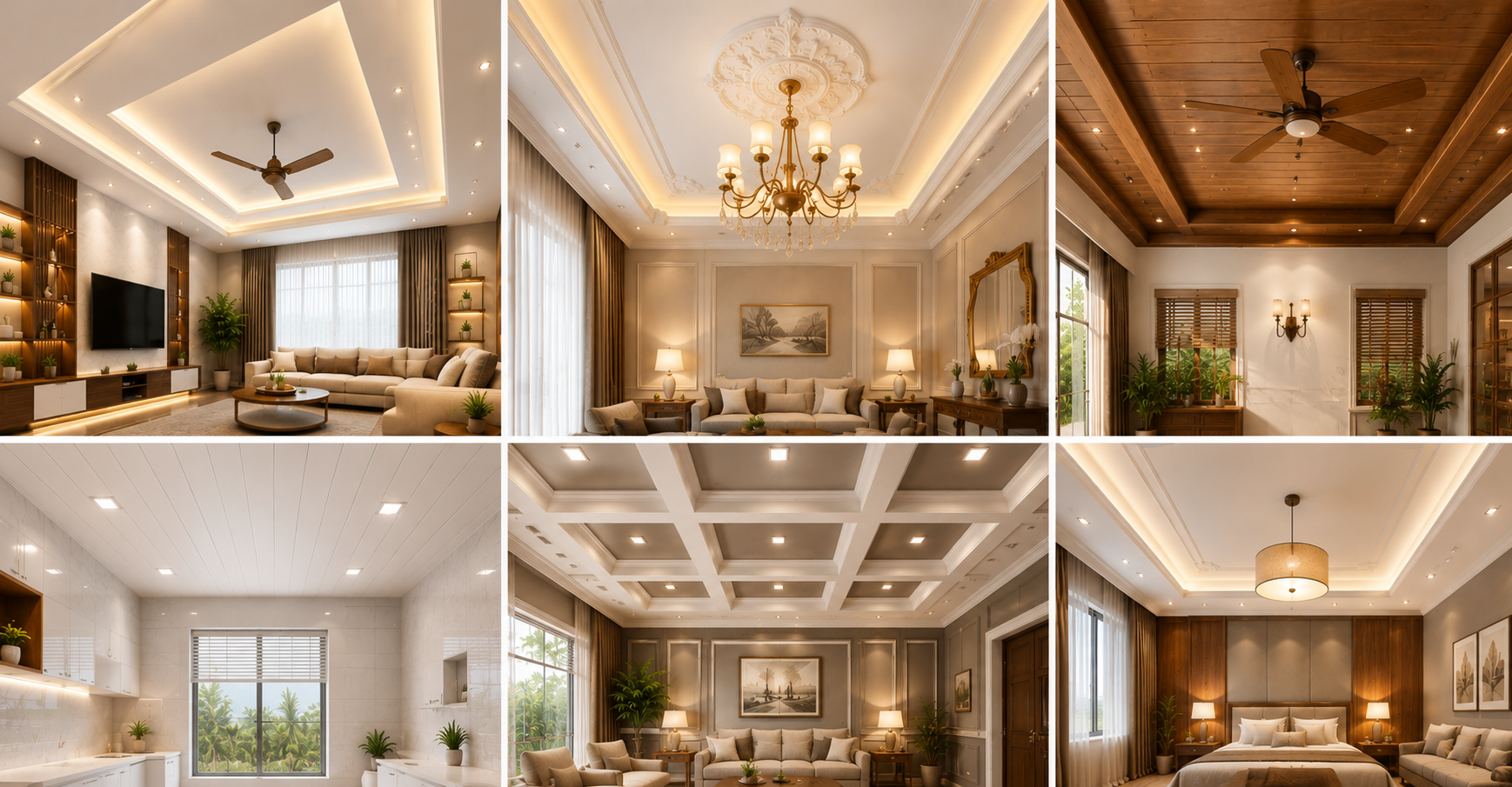
Homeowners today have many ceiling design choices. Each option suits different budgets, room sizes, and styles. Understanding these options helps you make a confident decision.
False Ceiling
A false ceiling hangs below the original structure. It uses gypsum board or metal frames for support. This design hides wires, ducts, and beams with ease. It also allows recessed lighting to sit flush with the surface. False ceilings work well in living rooms and bedrooms. They can be shaped into curves, steps, or geometric patterns. Many homeowners choose this option for its flexibility.
POP Ceiling
POP stands for Plaster of Paris. This material shapes smooth curves, borders, and patterns. A POP finish gives a soft, elegant look to any room. It suits both modern and traditional home styles. Skilled workers can mold POP into detailed motifs. This option works well for formal living rooms and entryways.
Wooden Ceiling
Wooden panels add warmth and texture to a room. This design fits rustic, cabin, and farmhouse styles well. Wood also provides natural insulation against heat and cold. Homeowners often pair wooden ceilings with matching wooden furniture. Exposed wooden beams can add character to older homes as well.
PVC Ceiling
PVC panels resist moisture and require little maintenance. This design suits kitchens, bathrooms, and balconies. PVC panels come in many colors and textures. Installation takes less time than plaster based options. The panels are also lightweight and easy to replace.
Coffered Ceiling
A coffered design uses a grid of recessed panels. This style adds depth and a sense of grandeur. It suits dining rooms and formal living spaces. Builders often use wood or polyurethane for the grid. This look pairs well with classic furniture and warm lighting.
Tray Ceiling
A tray design steps upward toward the center of the room. This style creates a sense of height in smaller rooms. It works well in bedrooms and dining areas. Cove lighting inside the tray adds a dramatic effect. Many homeowners pair this style with a soft, neutral color palette.
Also Read- Decorative PVC Ceiling Design Ideas That Transform Any Room
Factors to Consider Before Choosing a House Ceiling
Selecting the right design requires careful planning. Consider these factors before you finalize a style for your home.
- Room Height: Low ceilings need simple, flat designs. Tall ceilings can support layered or textured patterns. A false ceiling reduces room height by a few inches. Measure the space before committing to any design.
- Budget: Material costs vary widely across ceiling types. PVC and gypsum options cost less than wood or POP. Set a clear budget before you approach a contractor. Ask for detailed quotes from multiple vendors before finalizing.
- Room Function: Kitchens and bathrooms need moisture resistant materials. Bedrooms and living rooms allow more design freedom. Match the ceiling material to the room’s daily use.
- Lighting Needs: Recessed lighting works best with false ceilings. Chandeliers suit rooms with higher ceiling clearance. Plan the lighting layout before installation begins. Good lighting design can make a small room feel larger.
- Maintenance: Wooden ceilings need periodic polishing and pest checks. PVC and gypsum need only occasional cleaning. Choose a material that matches your maintenance routine and lifestyle.
Ceiling Color and Lighting Tips
Color choice changes how a room feels. White and light shades make ceilings appear higher. Darker shades add coziness to large rooms. Matte finishes reduce glare from natural light. Glossy finishes reflect more light and brighten a space. Cove lighting along the edges adds a soft glow. Pendant lights work well with tray and coffered designs. Balance the ceiling color with wall and floor tones for a unified look. Warm lighting suits bedrooms, while cool lighting suits kitchens and workspaces.
Maintenance Tips for a Long Lasting Ceiling
Regular upkeep extends the life of any ceiling design. Dust the surface with a soft cloth every few weeks. Check for water stains after heavy rains. Repaint the surface every three to five years. Inspect wooden panels for termites once a year. Fix small cracks before they spread further. Avoid hanging heavy fixtures without proper support. Good maintenance keeps a house ceiling looking fresh for years.
Trends Shaping Modern House Ceiling Design
Minimalist designs remain popular in urban homes. Homeowners now prefer clean lines over heavy ornamentation. Wooden slat ceilings are gaining popularity in living spaces. Smart lighting systems integrate directly into ceiling panels. Sustainable materials like bamboo are entering the design market. Exposed structural ceilings are also trending in loft style homes. These trends reflect a shift toward simplicity and function.
Cost Considerations
Ceiling costs depend on material, design complexity, and room size. Simple false ceilings cost less than heavily detailed POP work. Wooden ceilings usually cost more due to material and labor. Getting multiple quotes helps you compare pricing fairly. Always ask contractors about long term maintenance costs too. Factor in installation time as well, since complex designs take longer to complete.
Choosing the Right Ceiling for Different Rooms
Different rooms call for different ceiling approaches. The living room often benefits from a false ceiling with layered lighting. This creates a welcoming space for guests and family gatherings. Bedrooms suit softer designs like tray ceilings with warm lighting. A calm color palette helps the room feel restful. Kitchens need PVC or gypsum options that resist moisture and grease. These materials clean easily and last longer in humid conditions. Kids rooms can use playful colors or simple patterns on a flat ceiling. Home offices benefit from bright, even lighting built into the design. Matching the design to the room keeps the whole home cohesive.
Common Mistakes to Avoid
Many homeowners rush the house ceiling decision late in construction. This often limits design options and increases costs. Avoid choosing a design that ignores room height and proportion. A heavy design can make a small room feel cramped. Skipping proper waterproofing in bathrooms can lead to damage later. Always hire experienced workers for electrical and lighting work. Poor planning of wiring can cause problems after installation. Take time to review designs before construction begins.
Also Read- Gypsum Ceiling Design: Complete Guide for Indian Homes
Benefits of Investing in Ceiling Design
A well designed ceiling improves the overall comfort of a home. It can improve insulation and reduce energy costs over time. It also adds visual interest without changing the floor plan. Buyers often view a detailed ceiling as a sign of quality construction. This attention to detail can support better resale value. A good design also allows flexible lighting arrangements for different moods. Small upgrades to the ceiling can refresh an entire room’s appearance.
Eco Friendly Ceiling Options
Sustainable materials are becoming more popular in home construction. Bamboo panels offer a renewable alternative to traditional wood. Recycled gypsum boards reduce waste without sacrificing strength. Natural fiber panels also improve indoor air quality. LED lighting embedded in ceilings uses less energy than older fixtures. These choices support a greener home without limiting style. Homeowners can combine eco friendly materials with any design style listed above.
Hiring the Right Professionals
A skilled contractor makes a real difference in ceiling quality. Ask for past project photos before hiring anyone. Check reviews and ratings from previous clients carefully. Confirm the materials and brands used in the estimate. Request a clear timeline for design and installation work. A written contract protects both parties during the project. Good communication with your contractor prevents costly misunderstandings later.
Conclusion
A house ceiling plays a bigger role than most homeowners realize. It shapes the mood, function, and value of a home. Careful planning helps you choose the right material and style. Consider your budget, room function, and maintenance needs before deciding. A well designed ceiling completes the look of any home.
Ready to Design Your Dream Home?
Ready to upgrade your home with a stunning ceiling design? Express Builder brings expert craftsmanship and thoughtful planning to every project. From elegant false ceilings to modern lighting layouts, our team delivers quality you can see and feel. Book a site visit today and experience the Express Builder difference firsthand.
Frequently Asked Questions
What is the best material for a house ceiling in humid areas?
PVC and gypsum panels resist moisture well. These materials suit kitchens, bathrooms, and coastal homes best.
How much height does a false ceiling take up?
A false ceiling usually reduces room height by four to six inches. Check your room height before choosing this option.
How often should a ceiling be repainted?
Most ceilings need repainting every three to five years. Inspect the surface yearly for early signs of damage.
Can I combine two ceiling designs in one home?
Yes, many homeowners mix designs across different rooms. Match each design to the room’s function and style.
