
A living room comes together through small, thoughtful details. Side tables for living room spaces often go unnoticed, yet they shape daily comfort. They hold your coffee, remote, or reading lamp within easy reach. This guide covers styles, materials, and placement tips for side tables. It also explores side table designs for living room layouts of every size.
Why Side Tables Matter in Every Living Room
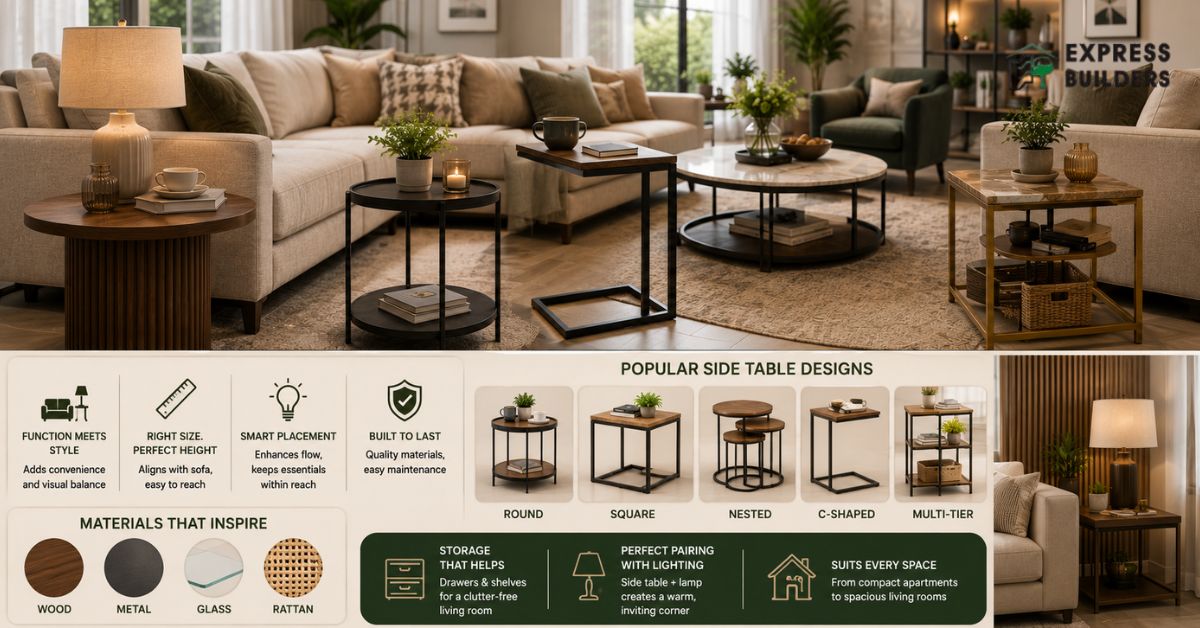
A side table adds function without taking up much space. It gives you a spot for a drink, book, or phone. Beyond function, it also adds visual balance to seating areas. A well-placed side table completes the look of a sofa or armchair. Many homeowners now treat side tables for living room spaces as a design feature. This makes them worth real thought, not a last-minute addition.
Popular Side Table Designs for Living Room Spaces
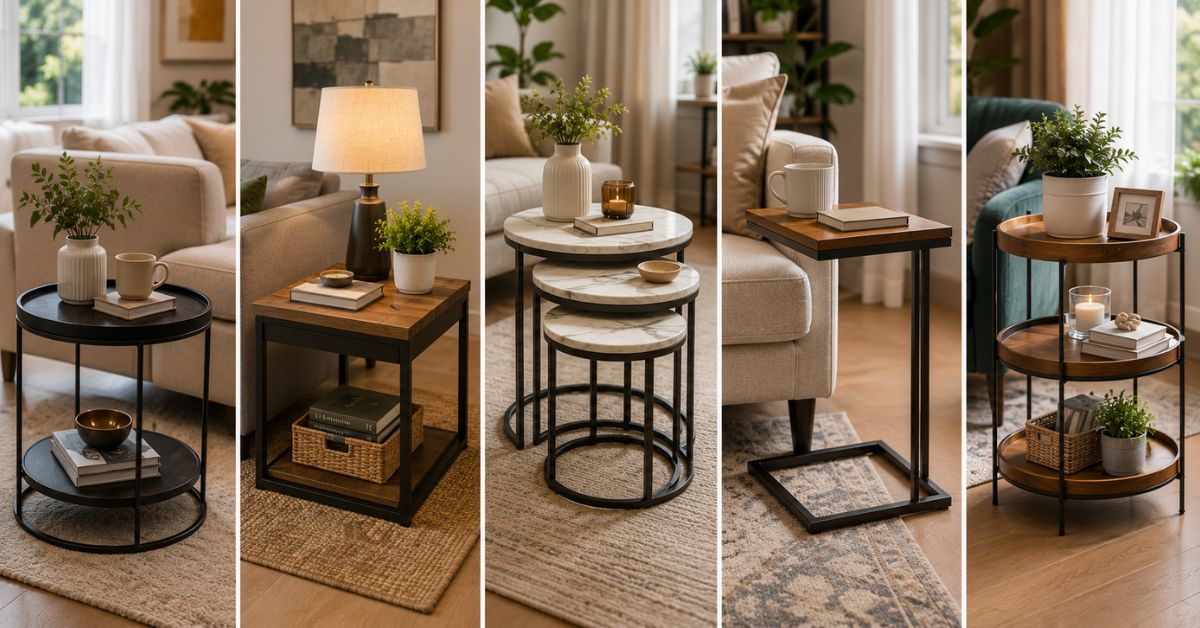
Side tables come in many shapes, each suited to different needs.
Round Side Tables
Round side tables soften a room with sharp furniture lines. They reduce the risk of bumped corners in tight spaces. This shape suits smaller living rooms particularly well. It also pairs nicely with curved sofas or armchairs.
Square Side Tables
Square side tables offer a clean, structured look. They suit modern, minimal living room themes well. This shape provides a stable surface for larger items. It also fits neatly into corner spaces.
Nested Side Tables
Nested tables include two or three tables of varying sizes. They stack together to save space when not in use. This design suits smaller apartments needing flexible furniture. It also allows extra surface space during gatherings.
C-Shaped Side Tables
A C-shaped table slides partly under a sofa arm. It brings a surface closer to where you sit. This style suits homes wanting a table without extra floor space. It works well beside recliners and single-seat sofas.
Multi-Tier Side Tables
Multi-tier tables include two or more shelves for storage. They add function beyond a simple flat surface. This design suits living rooms needing extra display or storage space. It also works well for books, plants, or decor items.
Side Table for Living Room Modern Styles to Consider
A side table for living room modern interiors often favours clean lines. Minimal legs and simple shapes suit contemporary spaces well. Neutral tones like black, white, and grey remain popular choices. Mixed material designs, combining metal legs with a wood or glass top, are common today. These styles avoid heavy detailing in favour of a streamlined look. A side table for living room modern setups should feel light, not bulky.
Wooden Side Tables for Living Room Modern Interiors
Wooden side tables for living room modern spaces bring warmth to a clean design. Light wood tones suit Scandinavian-inspired interiors well. Darker wood tones suit richer, more traditional colour palettes. Wood pairs naturally with fabric sofas and soft furnishings. Many buyers choose wooden side tables for their durability and timeless appeal. This material remains a dependable choice across changing design trends.
Side Table Designs for Living Room: Materials Compared
Different materials offer different strengths for side table designs.
- Wood offers warmth, strength, and a natural finish.
- Metal offers a sleek, modern look with strong durability.
- Glass offers a light, open feel that suits smaller rooms.
- Rattan and cane offer texture and a relaxed, casual style.
Each material suits a different living room theme and budget. Think about your existing furniture before choosing a material.
Pairing Side Tables with Sofa and Coffee Table Styles
A side table should feel connected to your other furniture. Match its material with your coffee table for a unified look. A glass side table pairs well with a glass or metal coffee table. A wooden side table suits a wooden or upholstered coffee table well. Keep proportions in mind, since a bulky table can overwhelm a slim sofa. Consistent styling across pieces creates a more polished living room. This small step makes furniture feel chosen, not just placed.
Side Tables for Different Living Room Sizes
Room size should guide your choice of side table. Larger living rooms can carry taller, more detailed side tables. Smaller rooms often suit slim, low-profile designs instead. A nested table set works well in a compact apartment. It offers flexible surface space without a permanent footprint. Open, airy designs like glass or thin metal suit tight layouts. This keeps a smaller room feeling open, not crowded.
Side Tables vs Console Tables: What’s the Difference
Side tables and console tables serve different purposes in a living room. A side table sits beside seating, within easy arm’s reach. A console table usually sits against a wall or behind a sofa. Console tables suit entryways or the back of an open-plan sofa. Side tables suit everyday use beside chairs or sofas directly. Knowing this difference helps you choose the right piece for each spot. Some living rooms benefit from using both types together.
Custom vs Ready-Made Side Tables
Buyers can choose between custom and ready-made side tables. A custom design fits an exact space or unusual dimension. It also allows specific material and finish choices. Ready-made tables often cost less and arrive much faster. They suit buyers working with a fixed budget or timeline. Ready-made designs may not always match unique room proportions, though. Weigh your budget, timeline, and design goals before deciding.
Choosing the Right Size and Height for Your Side Table
Size and height affect both comfort and appearance. A side table should sit close to the height of your sofa arm. This makes items on the table easy to reach. Table width should leave enough room for walking around it. Larger living rooms can carry bigger, bolder side tables. Smaller rooms often suit slim, compact designs instead. Always measure your space before finalising a purchase.
Side Table Ideas for Living Room Layouts
Side table ideas for living room spaces should match your seating layout. Place a table beside each armchair for individual convenience. Use a slightly taller table next to a low sofa. Position a table within arm’s reach of your main seating area. Consider a nested set for flexible, multi-purpose use. These simple ideas help every seat feel fully functional.
Placement Tips for Side Tables in the Living Room
Placement affects both function and flow in a living room. Leave enough space around the table for easy movement. Avoid blocking walkways with an oversized or misplaced table. Position tables where lamps or chargers can be used comfortably. Keep a consistent style across all side tables in one room. This creates a cohesive, well-planned appearance throughout the space.
Colour and Finish Options for Side Tables
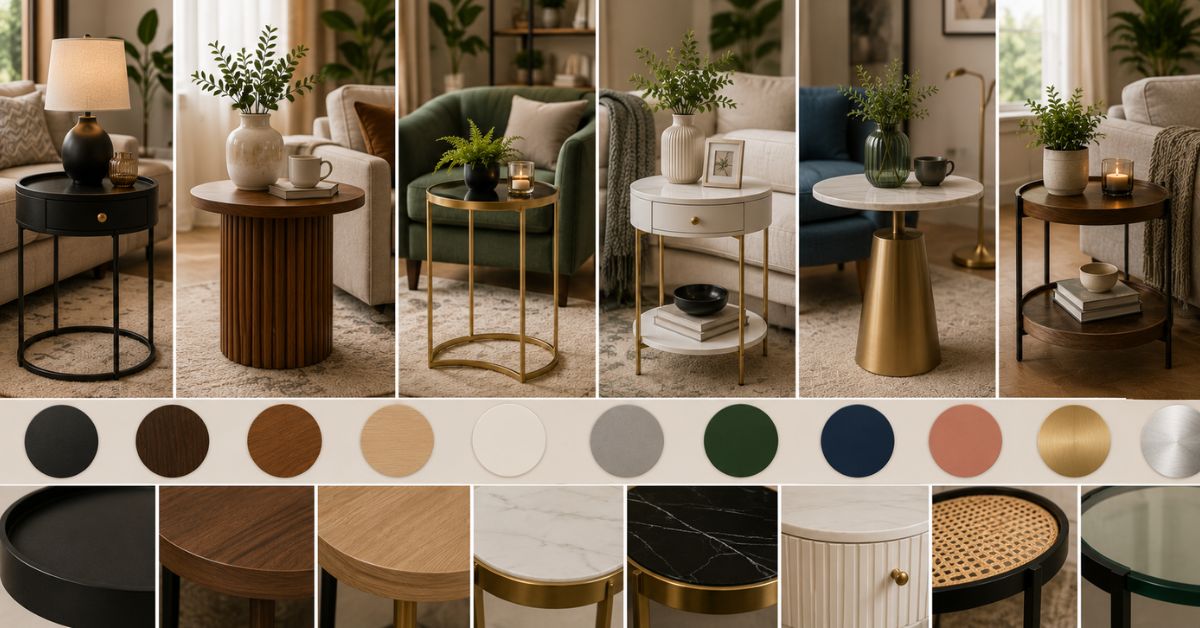
Colour and finish shape how a side table fits your room. Neutral tones blend easily with most living room colour schemes. Bold colours can add a strong accent to a simple room. Matte finishes are gaining popularity over glossy lacquer options. Metallic finishes like brass or black add a modern edge. Always view a sample under your living room’s actual lighting.
Storage Features in Modern Side Tables
Storage adds practical value to many modern side table designs. Drawers offer hidden space for remotes, coasters, or chargers. Open shelves suit books, magazines, or small decor pieces. Some designs include a lower shelf for baskets or plants. Choose storage based on your daily habits and clutter tendencies. A well-chosen design keeps your living room tidy and functional.
Maintenance Tips for Side Tables
Simple care keeps a side table looking new for years. Dust wooden surfaces regularly with a soft, dry cloth. Wipe glass tops with a gentle, streak-free cleaner. Avoid placing hot items directly on wood or lacquered surfaces. Check table legs and joints occasionally for any looseness. This small routine protects your investment over time.
Common Mistakes to Avoid When Choosing a Side Table
Many buyers choose a side table without measuring their space first. Avoid picking a table too large for a small living room. This can make movement around furniture feel cramped. Do not ignore height when placing a table beside a sofa. A mismatched height reduces daily convenience significantly. Avoid choosing a finish that clashes with existing furniture tones.
Latest Trends in Side Table Designs for Living Room
Minimal, mixed-material designs remain popular in new living rooms. Nested tables continue to trend among buyers with smaller spaces. Matte black and warm wood combinations are increasingly common. Curved, organic shapes are replacing sharp, angular designs in many homes. Multi-functional tables with storage are gaining ground too. These trends reflect a broader shift toward practical, flexible furniture.
Cost Factors for Side Tables
Side table cost depends on material, size, and design complexity. Basic wooden or metal tables are usually the most affordable option. Designer or mixed-material tables tend to cost more upfront. Nested sets often cost more than a single standalone table. Always compare a few options before finalising your purchase. Check material quality alongside price for the best value.
Pairing Side Tables with Lamps and Lighting
Good lighting works closely with side table placement. A table lamp on a side table adds warm, focused light. This suits reading corners or quiet evening seating areas. Choose a lamp base that suits your table’s height and width. Avoid oversized lamps on narrow or delicate tables. Balanced proportions between lamp and table improve the overall look. This pairing adds both function and softness to your living room.
Bringing It All Together
Side tables for living room spaces add both function and style. The right shape, material, and placement reflect your daily needs. A side table for living room modern setups should feel light and practical. Wooden side tables for living room modern interiors bring lasting warmth. Take time to compare a few side table ideas for living room use. A well-chosen design adds comfort and polish to your entire space.
Explore Express Builders’ ongoing residential projects across Noida and Greater Noida West. See the quality and planning behind every home firsthand.
Book a free site visit today with Express Builders. Walk through our ongoing projects and see construction quality up close. Check out floor plans, amenities, and location advantages in person. Meet our team and get your property-related questions answered directly. Schedule a visit at a time that suits your convenience.
Frequently Asked Questions
1. Which side table design suits a small living room best?
Round or nested side tables work well in small living rooms, since both save space without limiting function.
2. What is the difference between a side table and a console table?
A side table sits beside seating for everyday use. A console table usually sits against a wall or behind a sofa.
3. Are wooden side tables high maintenance?
No. Wooden side tables need only simple care, such as regular dusting and keeping them away from direct heat or moisture.
4. Can a side table double as extra storage in a living room?
Yes. Many modern side tables include drawers or open shelves, which help keep remotes, books, and small items organised.
