
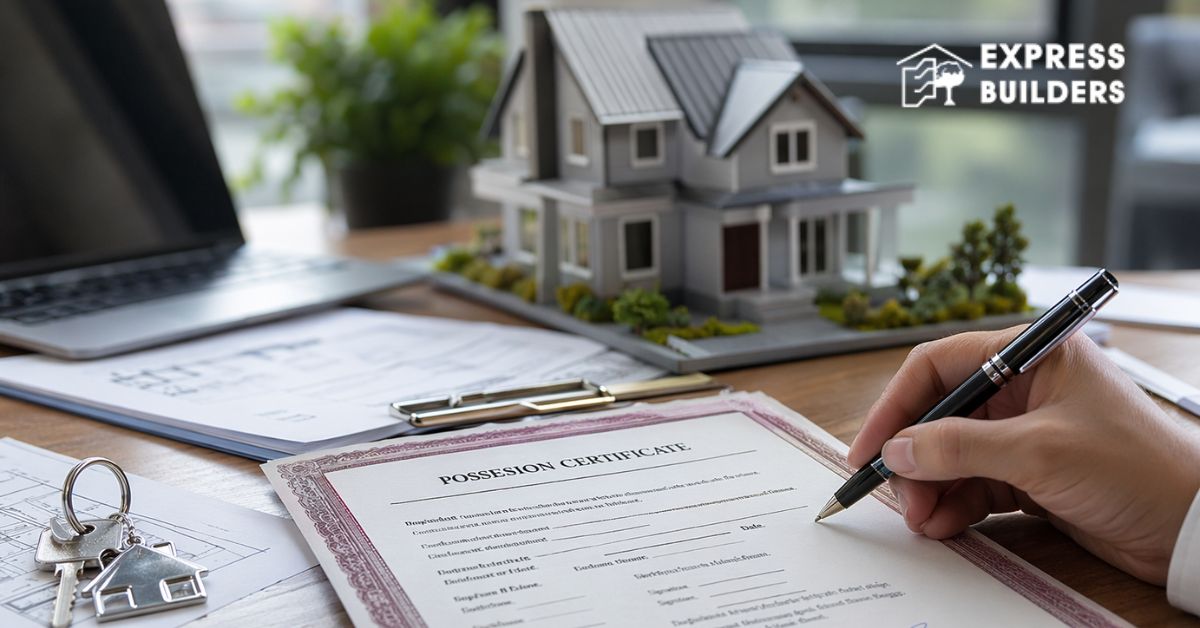
Buying a home is one of the biggest decisions of your life. You spend years saving money, comparing properties, and finalising loans. But after all that hard work, one document can make or break your ownership claim the possession certificate.
Most homebuyers focus only on the sale deed or registration paper. They often overlook this critical document. That oversight can lead to serious legal and financial trouble later. So, let us break it all down in simple terms today.
What Is a Possession Certificate?
A possession certificate is an official document issued by a local authority or developer. It confirms that a buyer has taken physical possession of a property. The document acts as legal proof that the property now belongs to the buyer.
This certificate is different from a sale deed. The sale deed transfers ownership legally. The possession certificate, on the other hand, confirms that the property has been handed over. Both documents work together to fully secure your property rights.
Local bodies like municipal corporations, gram panchayats, or development authorities usually issue this document. In some cases, the builder or developer issues it directly to the buyer.
Why Does a Possession Certificate Matter?
Many people ask why I need this certificate if I already have a sale deed. The answer is simple. Legal ownership and physical possession are two separate things. Without this certificate, proving that you occupy the property becomes difficult.
Here is why this document holds so much importance:
- Loan Disbursement: Banks and housing finance companies need this certificate before releasing the final loan amount. Without it, you may not receive your complete home loan.
- Utility Connections: Water, electricity, and gas connections require this document. Authorities use it to verify that you legally occupy the property.
- Property Tax Registration: You cannot register your property for tax purposes without this certificate. Local bodies use it to update their official records.
- Legal Protection: In case of any dispute with the builder or previous owner, this document serves as strong legal evidence in court.
- Resale and Transfer: Selling your property in the future becomes much easier when you hold this certificate.
Essentially, this document ties your legal ownership to your physical presence on the property. It closes the gap between paperwork and reality.
Possession Certificate for House: What Makes It Unique?
A possession certificate for house properties carries specific significance compared to commercial or industrial land certificates. Residential properties involve additional checks related to building completion, safety standards, and occupancy approvals.
When a builder completes a residential project, they must first obtain an Occupancy Certificate from the local authority. Only after receiving that can they issue the possession certificate for house units to individual buyers. This process ensures the building meets all safety and construction norms.
Buyers should always check whether the builder has received the Occupancy Certificate before accepting possession. Accepting possession without this step can expose you to legal risk. Some builders rush possession handovers to close their accounts. Do not fall into that trap.
Always inspect the property thoroughly before signing any possession document. Check for construction defects, pending work, and missing amenities. Once you sign the document, holding the builder accountable becomes harder.
How to Check Your Possession Certificate Status
After applying for the certificate, tracking its progress is important. Many states now offer online portals where you can check your possession certificate status easily.
Here is how you can track it:
- Visit the official website of your local municipal body or development authority.
- Navigate to the property or certificate section on the homepage.
- Enter your application number, property ID, or registered mobile number.
- The portal will display your current possession certificate status instantly.
Some states also send SMS updates when the certificate moves from one stage to another. If your state does not offer online tracking, visit the local office directly. Carry your application receipt and identity proof. Officers at the counter can check the status manually for you.
Do not wait too long after applying. Follow up regularly to avoid unnecessary delays. Government offices can sometimes take weeks or even months to process these applications.
How to Apply for a Possession Certificate Online
The good news is that many states have made the process much simpler. You can now apply for a Possession Certificate online through government portals without visiting any office physically.
The general steps to Possession Certificate apply online are as follows:
- Step 1- Register on the Portal: Visit your state’s official revenue or municipal services portal. Create an account using your mobile number and email ID.
- Step 2- Fill the Application Form: Select the certificate type and fill in your property details accurately. Include your survey number, plot number, and address.
- Step 3- Upload Documents: Attach scanned copies of your sale deed, identity proof, address proof, and any builder-issued possession letter.
- Step 4- Pay the Fee: Most portals charge a nominal processing fee. Pay it online using UPI, net banking, or debit card.
- Step 5- Submit and Track: After submission, you will receive an acknowledgment number. Use it to track your possession certificate status anytime.
Some states like Telangana, Karnataka, and Maharashtra have highly advanced portals. They process applications quickly and even deliver the certificate digitally to your registered email.
Documents You Need Before Applying
Gathering the right documents beforehand saves a lot of time. Missing even one paper can delay the entire process significantly.
Here is a list of documents you typically need:
- Sale deed or conveyance deed
- Builder’s allotment letter
- Identity proof (Aadhaar card, PAN card, or passport)
- Address proof
- Encumbrance certificate
- Latest property tax receipt
- Builder’s possession letter or handover letter
- Occupancy Certificate (if applicable)
Always keep photocopies and digital scans of every document. Government portals usually accept PDF or JPEG formats. Make sure the file sizes meet the portal’s upload limits before you begin.
Common Mistakes Buyers Must Avoid
Even careful buyers make avoidable mistakes during this process. Knowing these mistakes in advance helps you stay protected.
- Skipping the Inspection: Never accept possession without thoroughly checking the property. Document every defect with photographs.
- Ignoring the Occupancy Certificate: Always verify that the builder has this approval. Accepting a possession certificate for a house without it can create legal complications.
- Missing the Application Deadline: Some local bodies set a window for applying after taking possession. Missing that window can lead to penalties.
- Not Updating Records: After receiving the certificate, update your property tax records and utility connections immediately. Delays in updating can cause problems later.
- Relying Only on the Builder’s Letter: A builder-issued possession letter is not the same as the government-issued possession certificate. Always obtain the official one from the local authority.
Benefits of Having This Certificate
Holding a valid possession certificate gives you far more than just peace of mind. It strengthens your entire property ownership claim from multiple angles.
You can access home loans more easily with this document in hand. Banks process your applications faster when you submit complete documentation. Selling the property later also becomes quicker and more profitable. Buyers in the resale market specifically look for properties with clear documentation.
This certificate also protects you from fraudulent double-selling of properties. Once a competent authority issues this document in your name, another person cannot easily claim the same property. It creates a strong official record in your favour.
Take the Next Step Toward Secure Homeownership
Understanding the importance of a possession certificate is just the first step. Taking action is what truly protects your investment. Secure your dream home with confidence at Express Builders. Our thoughtfully designed societies in Noida, Greater Noida, and Vasundhara, Ghaziabad ensure transparent documentation, including hassle-free possession certificates, giving you complete peace of mind and a smooth homeownership experience from start to finish. Book your visit now!!
