
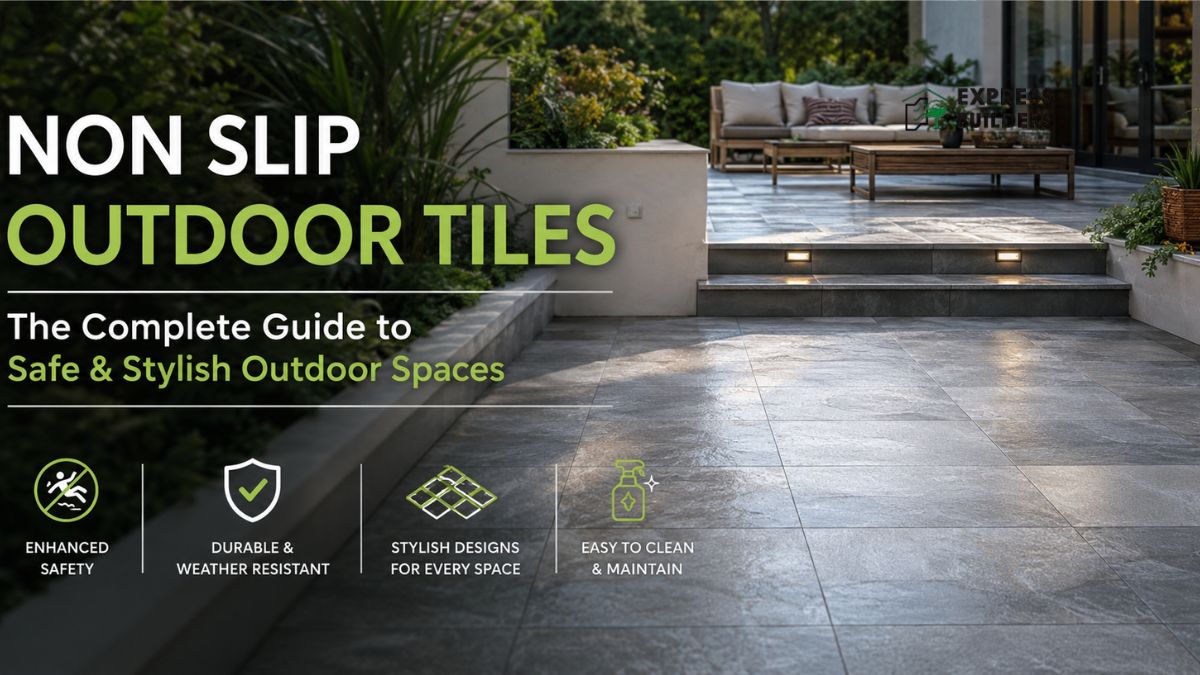
A beautiful patio or garden path should not come at the cost of safety. Non slip outdoor tiles solve this problem effectively. They combine grip, durability, and design in one package. Whether you are planning a new patio, a garden walkway, or tiling outdoor stairs, this guide covers everything you need to know.
Why Non Slip Outdoor Tiles Are Essential
Wet outdoor surfaces are dangerous. Rain, morning dew, and splashed pool water create slippery conditions. Standard tiles often become hazardous when wet. Falls from slippery floors cause serious injuries every year.
Non slip outdoor floor tiles address this risk directly. They feature textured surfaces or special finishes. These features increase friction underfoot. Even when wet, they maintain grip and prevent slipping.
Beyond safety, these tiles also enhance the overall look of your outdoors. You do not have to choose between style and safety. Modern non slip tiles come in many finishes, colours, and sizes.
What Makes a Tile Non Slip?
The slip resistance of a tile depends on its surface texture and material. Tiles receive a Coefficient of Friction (COF) rating. Higher ratings mean better grip. Outdoor tiles should meet a minimum R10 anti-slip rating. Areas prone to heavy moisture need R11 or R12 ratings.
Key features to look for include:
- Textured or embossed surface patterns
- Matt or brushed finishes instead of polished ones
- Grouted joints that increase grip area
- Anti-slip coatings applied on the surface
Natural stone and porcelain tiles often come with built-in anti-slip surfaces. Ceramic tiles can also be textured for better grip outdoors.
Best Materials for Non Slip Outdoor Floor Tiles
Choosing the right material is the first step. Each material has its strengths and ideal use cases.
1. Porcelain Tiles
Porcelain is one of the best choices for outdoor flooring. It is dense, water-resistant, and frost-proof. Textured porcelain tiles deliver excellent grip. They resist stains and UV damage effectively. Many porcelain options mimic wood, stone, or concrete aesthetics.
2. Natural Stone Tiles
Granite, slate, and sandstone are popular natural stone choices. Slate has a naturally rough texture. This makes it ideal for non slip outdoor floor tiles. Granite offers strength and elegance together. Natural stone requires sealing to maintain performance and appearance.
3. Ceramic Tiles
Ceramic tiles are budget-friendly and widely available. They work well in covered outdoor areas. Always choose textured ceramic tiles for wet zones. Avoid polished ceramic tiles on exposed patios or walkways.
4. Composite and Wood-Effect Tiles
Composite tiles combine natural wood look with modern grip technology. They are lightweight and easy to install. These work beautifully on decks and balconies. They do not rot, warp, or fade like real wood does.
Outdoor Patio Tiles Non Slip: Design Tips That Work
Your patio is an extension of your living space. It should look great and feel safe. Choosing outdoor patio tiles non slip options does not limit your design choices.
Here are some popular design approaches:
- Large Format Tiles: Use large porcelain slabs for a clean, modern patio look. They create fewer joints and a sleek appearance.
- Earthy Tones: Stone-effect tiles in grey, beige, or brown blend naturally with outdoor environments.
- Contrasting Patterns: Mix lighter and darker tiles to define zones within your patio area.
- Timber Effect: Wood-look porcelain tiles add warmth without the maintenance of real wood.
Always ensure the tiles you choose carry the correct anti-slip rating. Check product specifications before finalising your selection.
Non Slip Tiles for Outdoor Stairs: Safety First
Stairs are the most accident-prone areas in any outdoor space. Wet steps with poor grip cause falls. Choosing the right non slip tiles for outdoor stairs is critical.
Here is what to prioritise when tiling outdoor stairs:
- High R-Rating: Use tiles with R11 or R12 ratings for stair surfaces exposed to rain.
- Anti-Slip Nosing: Install anti-slip stair nosing strips on each step edge. This reduces trip hazards significantly.
- Contrasting Colours: Use lighter or contrasting tiles on stair edges. This helps people judge the step depth better.
- Smaller Tile Sizes: Smaller tiles on stairs mean more grout lines. More grout lines improve overall traction.
- Proper Slope: Ensure stair tile installation maintains a slight slope. This allows water to drain away quickly.
Textured porcelain and slate are top picks for stair tiling. Both provide grip without compromising appearance. Always hire a skilled tiler to ensure correct installation on stairs.
Non Slip Coating for Outdoor Tiles: An Affordable Solution
Already have tiles installed but worried about slip risk? Non slip coating for outdoor tiles offers a practical fix. You can apply these coatings to existing surfaces. They improve grip without replacing your current tiles.
There are several types of anti-slip coatings available:
- Chemical Etching Treatments: These open the pores of the tile surface. They create micro-texture that improves traction noticeably.
- Anti-Slip Paint Coatings: These coatings contain grit or rubber particles. They add a textured layer directly over the tile.
- Sealant-Based Coatings: Some sealants include anti-slip additives. They protect the tile and improve grip simultaneously.
- Anti-Slip Tape: For quick fixes on individual tiles or stairs, adhesive anti-slip tape works well.
Coatings need reapplication every one to three years. Follow manufacturer instructions carefully. Test the coating on a small hidden area first. This ensures compatibility with your tile type.
Maintenance Tips for Non Slip Outdoor Tiles
Even the best tiles lose effectiveness without proper care. Regular maintenance keeps non slip outdoor floor tiles performing well.
- Sweep or blow away leaves and debris regularly. Wet debris increases slip risk significantly.
- Scrub tiles with a stiff brush and outdoor tile cleaner. Do this at least once a month.
- Remove algae and moss promptly. These grow in shaded areas and dramatically reduce grip.
- Check grout lines annually. Repair cracked or missing grout immediately to prevent water penetration.
- Reseal natural stone tiles every one to two years. This preserves anti-slip properties and appearance.
A well-maintained outdoor tile lasts for decades. The upkeep effort is minimal compared to the safety benefit it provides.
Choosing the Right Non Slip Tile for Each Zone
Different outdoor zones have different requirements. Match your tile choice to the specific area for best results.
- Pool Surrounds: Choose R12 rated porcelain or natural stone. Water exposure here is constant.
- Garden Walkways: R10 rated textured tiles work well. Consider irregular stone effects for a natural look.
- Covered Patios: R10 rated tiles are sufficient here. Focus more on aesthetic appeal.
- Exposed Terraces: Use R11 rated tiles. Sun, rain, and wind all impact these areas.
- Outdoor Stairs: Always use R11 to R12 rated tiles. Add anti-slip nosing for extra safety.
Frequently Asked Questions
Q1. What is the best type of non slip outdoor tile for a patio?
Textured porcelain tiles are the best choice for outdoor patios. They offer high durability, weather resistance, and excellent anti-slip ratings. Look for R11 rated porcelain tiles for exposed patios. They are low-maintenance and available in many design options.
Q2. Can I apply non slip coating on already-installed outdoor tiles?
Yes, you can. Non slip coating for outdoor tiles is a practical retrofit solution. Chemical etching treatments or anti-slip paint coatings work on most tile surfaces. Always clean the tile thoroughly before applying any coating. Test on a small area first to check compatibility.
Q3. What anti-slip rating should outdoor stair tiles have?
Non slip tiles for outdoor stairs should carry a minimum R11 rating. Areas exposed to heavy rainfall or near water features need R12 rated tiles. The higher the R-rating, the greater the grip. Pair high-rated tiles with anti-slip stair nosing for maximum safety.
Q4. How do I maintain the anti-slip quality of outdoor floor tiles?
Regular cleaning is key. Remove algae, moss, and debris promptly. These reduce grip significantly. Use a stiff brush with an outdoor tile cleaner monthly. Reseal natural stone tiles every year or two. If tiles have a non slip coating, reapply it every one to three years per manufacturer guidance.
