
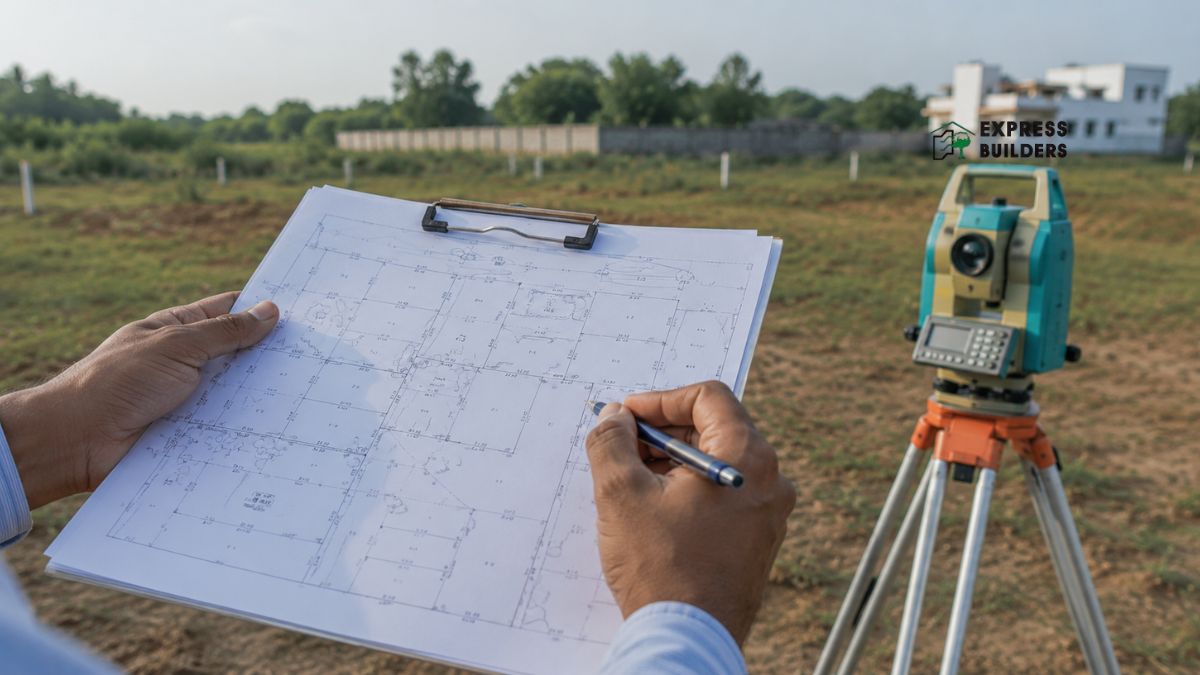
You rely on accurate details when you invest in land. A field measurement book delivers those precise records. Survey officials create and maintain this official document to capture exact measurements, boundaries, and features of individual land parcels.
Professionals refer to it as FMB in everyday conversations. Revenue departments store these books in volumes organized by village. They serve as the foundation for land administration across many Indian states. Buyers, sellers, and developers turn to the field measurement book to confirm what they see on the ground matches official records.
This document prevents costly mistakes. You avoid disputes over boundaries or area when you understand and verify it properly. Real estate professionals always recommend checking the field measurement book before finalizing any transaction.
Why the Field Measurement Book Matters in Land Transactions
You protect your investment when you prioritize the field measurement book. Sellers sometimes claim larger areas than actual measurements show. The field measurement book provides government-authenticated data that resolves such discrepancies immediately.
Developers use it to plan construction layouts accurately. Banks require it for loan approvals because it confirms the property exists as described. Legal experts reference it during registrations to ensure clear title transfer.
The field measurement book reduces risks in several ways. It establishes clear boundaries that prevent neighbor encroachments. You gain confidence during site visits because you can cross-check physical markers against the sketch. Government authorities also rely on it for tax assessment and land conversion processes.
Key Components of a Field Measurement Book
You read a field measurement book more effectively when you know its main elements. Surveyors draw each sketch to a specific scale, commonly 1:1000 or 1:2000. This scale helps convert map measurements to ground realities.
- Survey Number and Sub-Division Number: Every parcel carries a unique survey number. Sub-divisions further split larger survey numbers among different owners. You locate your exact plot using these identifiers.
- G-Line: Surveyors draw this imaginary base line first. They build the entire sketch around it using triangles for accuracy. Any error in the G-line affects all other calculations, so officials verify it carefully.
- Boundary Lines: Bold lines mark the outer edges of your plot. Extension lines connect measurement points to these boundaries. You trace these lines to understand your property limits clearly.
- Measurements: Surveyors record lengths between key points. These details appear along the sides of the sketch. You calculate the total area from these figures.
- Landmarks and Features: The sketch shows wells, roads, pathways, trees, or buildings. These features help you identify the plot during physical verification.
- Neighboring Details: Survey numbers of adjacent plots appear around your parcel. This context confirms your boundaries align with surrounding records.
- Ladder Diagram: This section lists sequential measurements. Experts use it to recreate the sketch digitally or verify calculations.
You examine these components together to build a complete picture of the land.
How to Read a Field Measurement Book Step by Step
You start by noting the village, taluk, and district details at the top. Confirm the survey number matches your documents. Next, locate your sub-division within the sketch.
Identify the G-line and trace the triangles that form the boundary. Follow the extension lines to measurement values. Compare these with physical boundary stones or fences on site.
Convert map distances to ground distances using the given scale. For example, a 1 cm line on the sketch may represent several meters on the ground. Calculate the area carefully and cross-check it against patta or sale deed figures.
Look for symbols that indicate special features like water bodies or high-tension lines. These affect construction plans and property value. Note any discrepancies between the sketch and actual ground conditions. Professional surveyors can help resolve such issues through fresh measurements.
You gain clarity when you compare the field measurement book with other records like encumbrance certificate, patta, and A-register extracts.
The Role of Field Measurement Book in Property Verification
You perform due diligence effectively with the field measurement book. Visit the site with the sketch in hand. Walk the boundaries and match landmarks. This process reveals any unauthorized constructions or boundary shifts over time.
Buyers often face surprises after purchase when measurements do not match. The field measurement book helps you avoid such situations. You negotiate better prices when you identify inconsistencies early.
Developers rely on it to design projects that fit within legal boundaries. Architects create building plans that respect setbacks and regulations based on accurate data. This approach saves time and reduces approval delays.
Legal professionals use the field measurement book in court cases involving land disputes. Judges accept it as strong evidence because government officials prepare it through systematic surveys.
How to Obtain Your Field Measurement Book
You access the field measurement book through official channels. Visit the local tahsildar office or revenue department with your property details. Submit a written application along with identity proof.
Many states now offer online portals where you enter district, taluk, village, survey number, and sub-division details. The system generates the sketch for download after verification.
Keep physical copies safe along with digital versions. Update the records if you notice changes due to government resurveys. Always verify the latest version before important transactions.
Professional land surveyors can also help you obtain and interpret the document. They explain technical details and conduct fresh surveys when needed.
Common Challenges and How to Overcome Them
You sometimes find old sketches with faded lines or outdated measurements. Request a resurvey in such cases. Officials update records based on current ground conditions.
Discrepancies between the field measurement book and other documents create confusion. You resolve them by consulting revenue officials and cross-verifying multiple sources.
Understanding technical terms poses another challenge for first-time buyers. You overcome this by working with experienced professionals who translate sketches into simple explanations.
Digital versions may contain scanning errors. Always compare them with certified physical copies from the department.
Benefits of Maintaining Accurate Field Measurement Records
You enjoy several advantages when your field measurement book stays updated. Clear boundaries increase buyer confidence and support higher property valuations. Banks process loans faster with verified documents.
- You plan construction projects confidently because you know exact dimensions. This knowledge helps you optimize space and comply with building norms.
- Government schemes related to land development require accurate records. You access benefits smoothly when your documents match official data.
- Future generations inherit clear ownership details. They avoid lengthy legal battles because foundational records exist in proper form.
- Accurate records also support urban planning and infrastructure development at the community level. Officials make better decisions when they rely on reliable measurement data.
Best Practices for Using Field Measurement Book
You always verify the field measurement book before signing any agreement. Share the document with your lawyer and architect for professional review.
- Conduct a joint site inspection with the seller using the sketch as reference. Document any variations immediately.
- Maintain multiple copies in different formats. Digital backups protect against physical damage.
- Update records after any land division or consolidation. Notify authorities about changes to keep information current.
- Teach family members about the importance of these records. This knowledge helps them manage the property responsibly in the future.
Future of Land Records and Technology Integration
You witness improvements in land record management through digital initiatives. Many departments now integrate sketches with GIS mapping systems. These advancements allow better visualization and analysis.
Mobile applications help users access basic details quickly. However, you still rely on official certified copies for legal purposes.
Technology reduces errors and speeds up verification processes. You benefit from faster transactions and greater transparency in the real estate sector.
Continuous training for revenue staff ensures they maintain high standards in survey work. This focus on accuracy strengthens the entire land administration system.
You contribute to better record-keeping by reporting discrepancies promptly. Active participation from citizens improves overall data quality.
Field measurement book serves as your reliable companion in land matters. You make informed decisions when you understand and use this document effectively. Take time to study it thoroughly before every major step in your property journey.
Discover your dream plot with Express Builder. Schedule a site visit today to explore premium locations where clear documentation and transparent processes ensure peace of mind. Our team guides you through every verification step for a smooth buying experience. Book your visit now and turn your land ownership vision into reality.
Frequently Asked Questions
1. What does a field measurement book contain?
A field measurement book contains precise land dimensions, boundary details, survey numbers, sub-division information, and sketches of features like roads or wells. Survey officials prepare it to provide an official record of each plot.
2. Why should I check the field measurement book before buying land?
You should check it to verify actual boundaries and area match the seller’s claims. This step helps you avoid disputes, ensure correct pricing, and confirm legal compliance before completing the purchase.
3. How can I obtain a copy of the field measurement book?
You can obtain it by visiting the tahsildar or revenue office with property details or through state online portals. Submit required information and identity proof to download or collect the certified sketch.
4. What is the difference between FMB and other land documents?
The field measurement book focuses specifically on measurements and spatial details through sketches. Other documents like patta focus more on ownership and tax records. You use them together for complete verification.
