

Land ownership disputes have troubled property buyers in India for decades. Paper records often went missing or got damaged over time. Manual record-keeping also left room for errors and fraud. The Haryana government addressed this problem through digitisation. Today, every citizen can access digital land record Haryana details online. This guide explains everything about the system in detail.
What Is Digital Land Record Haryana
Digital land record Haryana refers to the online database of property and land details. The state government maintains this database through its official portal. It stores information about land ownership, area, and boundaries. It also tracks mutations, encumbrances, and revenue records. Citizens can access these records from any device with internet access. This system has replaced the traditional paper-based record method. The shift has made land record management faster and more transparent.
The Haryana Revenue Department manages this digital initiative. It falls under the broader National Land Records Modernisation Programme. This central scheme aims to digitise land records across India. Haryana has been one of the more active states in this effort. The state launched its Jamabandi portal for this exact purpose.
Why Land Record Digitization Matters
Land disputes form a major share of civil court cases in India. Many of these disputes arise from unclear or outdated records. Digital land records solve this problem at the source. They provide a single, verified source of land information. Anyone can check ownership details without visiting government offices. This saves time and reduces dependency on middlemen.
Digitization also curbs fraudulent land transactions. Fake documents become harder to create and circulate. Buyers can verify seller claims before finalizing any deal. This added layer of security protects both buyers and genuine owners. It also helps banks process loan applications more efficiently. Lenders can verify land titles quickly through the digital system.
Government departments benefit too from this digitization. Tax collection becomes more accurate with updated land data. Urban planning and infrastructure projects also rely on these records. Officials can identify land use patterns and ownership trends easily. This data supports better policy decisions across departments.
Understanding the Jamabandi Haryana Portal
The Jamabandi portal is the official platform for land records in Haryana. The state government developed it to centralize all revenue data. Citizens can use this portal for various land-related services. It covers ownership records, mutation status, and registered deed copies. The portal also offers nakal, which means a copy of land records.
Users do not need special training to operate the portal. The interface remains simple and accessible to most people. It supports searches by district, tehsil, and village. Users can also search using owner name or khewat number. The portal displays results within seconds after a valid search.
The Jamabandi portal also connects with the registration department. This integration ensures that records update automatically after registration. It reduces the lag between a transaction and its official record. Earlier, this process took weeks or months through manual channels. Now, updates often reflect within days of registration.
Key Terms Every Property Buyer Should Know
Understanding land record terminology helps buyers read documents correctly. Here are the essential terms used in Haryana land records.
- Khasra: A unique number assigned to each agricultural land parcel. It identifies the exact plot within a village.
- Khatauni: A document showing ownership details linked to a khasra number. It lists the owner’s name and land area.
- Jamabandi: The complete record of rights for a village. It gets updated periodically, usually every four to five years.
- Fard: A certified extract of the Jamabandi record. Buyers often need this document for verification purposes.
- Mutation (Intkal): The process of updating ownership after a sale or inheritance. It reflects the new owner’s name in official records.
- Shajra: A map showing the layout and boundaries of land parcels. It helps verify the exact location of a plot.
- Khewat: A number representing a group of landowners holding land jointly. It links to specific khasra numbers in the village.
Knowing these terms helps buyers avoid confusion during property transactions. It also makes it easier to read and verify documents independently.
How to Check Digital Land Record Haryana Online
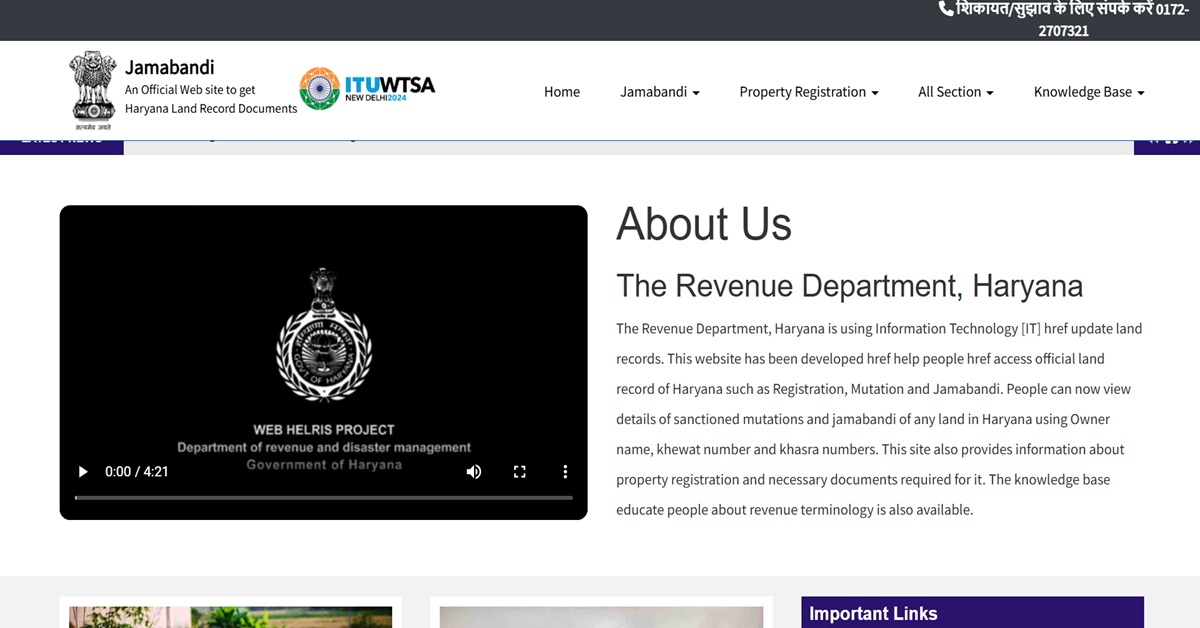
Checking land records online involves a simple, step-by-step process. Buyers and landowners can follow these steps on the Jamabandi portal.
- Visit the official Jamabandi Haryana website.
- Select the option for Jamabandi Nakal or land record search.
- Choose the district, tehsil, and village from the dropdown menus.
- Select the relevant year for the record you need.
- Search using owner name, khewat number, or khasra number.
- Review the displayed record carefully for accuracy.
- Download or print the record if needed.
This process usually takes less than five minutes to complete. No registration or login is required for basic searches. However, some services like mutation status checks may need additional details. Users should keep the khasra or khewat number ready beforehand. This speeds up the search process significantly.
Checking Mutation Status Online
Mutation update confirms that ownership has officially transferred. Buyers should always verify mutation status after a property purchase. The Jamabandi portal offers a dedicated section for this purpose. Users can check pending or completed mutation applications online.
To check mutation status, visitors need to enter specific details. These include the district, tehsil, and mutation number. The portal then displays the current status of the application. It shows whether the mutation is pending, approved, or rejected. This transparency helps buyers track their applications without office visits.
Mutation delays can occur due to incomplete documentation. They can also happen due to objections raised by other parties. Checking status regularly helps buyers address issues early. It prevents long delays in finalizing ownership records.
Documents Required for Land Record Verification
Buyers need certain documents to verify land records thoroughly. These documents confirm legal ownership and transaction history.
- Sale deed or registered conveyance deed
- Jamabandi or Fard copy from the revenue department
- Mutation record showing the latest ownership update
- Encumbrance certificate confirming no pending liabilities
- Property tax receipts from the local municipal body
- Identity proof of the seller and buyer
- Power of attorney, if applicable, for the transaction
Collecting these documents before purchase reduces legal risks significantly. Buyers should cross-check each document against the digital land record. Any mismatch between documents and online records needs immediate clarification. Sellers should explain discrepancies before the transaction proceeds further.
Benefits of Digital Land Records for Property Buyers
Digital land records offer multiple advantages to property buyers in Haryana. These benefits extend beyond simple convenience and accessibility.
- First, digital records reduce the risk of property fraud significantly. Buyers can verify ownership history before making any payment. This step prevents purchases from individuals without legal rights.
- Second, digital access saves considerable time during property research. Buyers no longer need to visit government offices repeatedly. They can check records from home or office at any hour.
- Third, digital records support faster loan processing for buyers. Banks can verify land titles quickly through online systems. This speeds up loan approval and disbursement timelines.
- Fourth, digital records improve transparency in property transactions. Both buyers and sellers can access the same verified information. This reduces disputes arising from information asymmetry.
- Fifth, digital land records help with long-term property planning. Owners can track changes in land classification or boundaries. This information supports better decisions about future development or sale.
- Sixth, the system reduces corruption in land record management. Automated processes leave less room for unauthorized manual changes.
Common Challenges in the Digital Land Record System
Despite its benefits, the digital land record system faces certain challenges. Awareness about these issues helps users navigate the system better.
Some older records have not been fully digitized yet. This gap can create confusion for buyers researching older properties. In such cases, buyers should also check physical records at local offices. Data entry errors sometimes occur during the digitization process. Names, areas, or boundaries may not match physical documents exactly. Buyers should report such discrepancies to the revenue department promptly.
Internet connectivity issues in rural areas can limit portal access. Some villagers may still need help to use the online system. Government offices often assist citizens unfamiliar with digital platforms. Server downtime occasionally affects portal availability during peak usage hours. Users should try accessing the portal during non-peak hours if this happens.
Despite these challenges, the system continues to improve steadily. The government regularly updates records and fixes reported errors. Continuous feedback from users helps identify and resolve issues faster.
Role of RERA in Supporting Land Record Transparency
The Real Estate Regulation Act has strengthened transparency in property transactions. RERA requires builders to register projects with verified land details. This registration process often cross-checks information against digital land records. Buyers benefit from this additional verification layer during project research.
RERA registration numbers also help buyers confirm project legitimacy. Buyers can check whether land used for a project is dispute-free. This reduces risks associated with unauthorized or disputed land development. Combining RERA verification with digital land records gives buyers stronger protection. It creates a more transparent property buying environment overall.
Land Record Verification Before Buying Property
Verifying land records before any purchase remains a critical step. This process protects buyers from potential legal and financial risks. Start by checking the seller’s name against the digital Jamabandi record. The name should match exactly with the seller’s identity proof.
Next, verify the khasra number and land area mentioned in documents. These details should align with what appears in the online record. Check the mutation history to confirm the current legal owner. Any pending mutation should raise questions before proceeding further.
Buyers should also check for any encumbrances or pending loans on the land. An encumbrance certificate reveals whether the property carries any financial liability. This document protects buyers from inheriting hidden debts linked to the land. Reviewing the shajra map helps confirm the exact boundaries of the plot. This step prevents disputes related to land size or location later.
Finally, buyers should consult a property lawyer for thorough verification. Professional legal advice adds an extra layer of protection. It helps identify risks that buyers might overlook independently.
Digital Land Records and Inheritance Cases
Inheritance often complicates land ownership records significantly. Multiple heirs may hold joint rights over a single property. Digital land records help clarify ownership shares among heirs. The Jamabandi record lists each heir’s name and respective share.
When a landowner passes away, mutation must reflect the new ownership structure. Heirs need to submit relevant documents to initiate this mutation. These documents typically include a death certificate and succession certificate. The revenue department then updates the digital record accordingly.
Checking digital records becomes essential when buying inherited property. Buyers should confirm that all heirs have agreed to the sale. Missing consent from even one heir can create future legal disputes. The digital record helps identify all listed owners before finalizing any deal.
How Digital Records Support Agricultural Landowners
Agricultural landowners also benefit significantly from digital land records. Farmers can check their land details without visiting revenue offices. This convenience saves valuable time during the farming season. Digital records help farmers apply for government schemes more easily. Many schemes require updated land records as proof of eligibility.
Bank loans for agricultural purposes also depend on verified land records. Farmers can submit digital copies instead of physical documents. This speeds up loan processing for purchasing seeds, equipment, or fertilizers. Digital records also help during land consolidation or boundary disputes. Farmers can present accurate data to resolve conflicts with neighbors.
Future of Digital Land Records in Haryana
The Haryana government continues to invest in land record modernization. Future plans include linking land records with other government databases. This integration would simplify processes like property tax payment and registration. Officials are also exploring blockchain technology for land record security. Blockchain could make records nearly impossible to alter fraudulently.
Mobile applications for land record access are also under development. These apps would allow citizens to check records directly from smartphones. This expansion would particularly benefit rural residents with limited computer access. Continuous digitization of older records remains an ongoing priority. The government aims to bring all historical records into the digital system.
These improvements will further strengthen transparency in property transactions. They will also reduce dependency on physical offices for routine services. Buyers and landowners can expect a smoother experience in coming years.
Tips for Using the Digital Land Record System Effectively
Following a few simple tips can improve your experience with online land records.
- Always double-check the spelling of names and village details before searching. Small errors in input can lead to incorrect or missing results.
- Keep a copy of relevant numbers, such as khasra or khewat, handy. This avoids repeated searches and saves time during verification.
- Cross-verify digital records with physical documents whenever possible. This habit helps catch any discrepancies early in the process.
- Save or print important records for future reference. Digital portals may undergo maintenance or updates occasionally.
- Having a backup copy ensures you do not lose access to needed information.
- Reach out to local revenue officials if you face persistent issues. They can guide you through corrections or clarify confusing entries.
Conclusion
Digital land record Haryana has transformed property transactions across the state. It offers transparency, convenience, and security to buyers and landowners alike. The Jamabandi portal makes checking ownership and mutation details simple. Understanding key terms like khasra, khatauni, and fard helps buyers navigate records confidently. While some challenges remain, the system continues to improve steadily. Buyers should always verify digital records thoroughly before any property purchase. This habit protects against fraud and ensures a smooth transaction process. Digital land records will continue playing a vital role in real estate. They support a more transparent and accountable property market in Haryana.
Planning to buy a home in Sonipat, Noida, Greater Noida, or Ghaziabad? Express Builder offers thoughtfully designed residential projects with clear, verified documentation. Explore options that match your needs and budget. Book a site visit today and experience our projects firsthand. Connect with our team to know more.
FAQs
1. How can I check digital land record Haryana online?
Visit the official Jamabandi portal and search using district, village, and owner details.
2. What is Jamabandi in Haryana land records?
Jamabandi is the official record of rights for a village, updated periodically.
3. How long does mutation take in Haryana?
Mutation timelines vary, but checking status online helps track application progress regularly.
4. Is digital land record legally valid in Haryana?
Yes, digital records are officially recognized, though physical verification is still recommended.
