
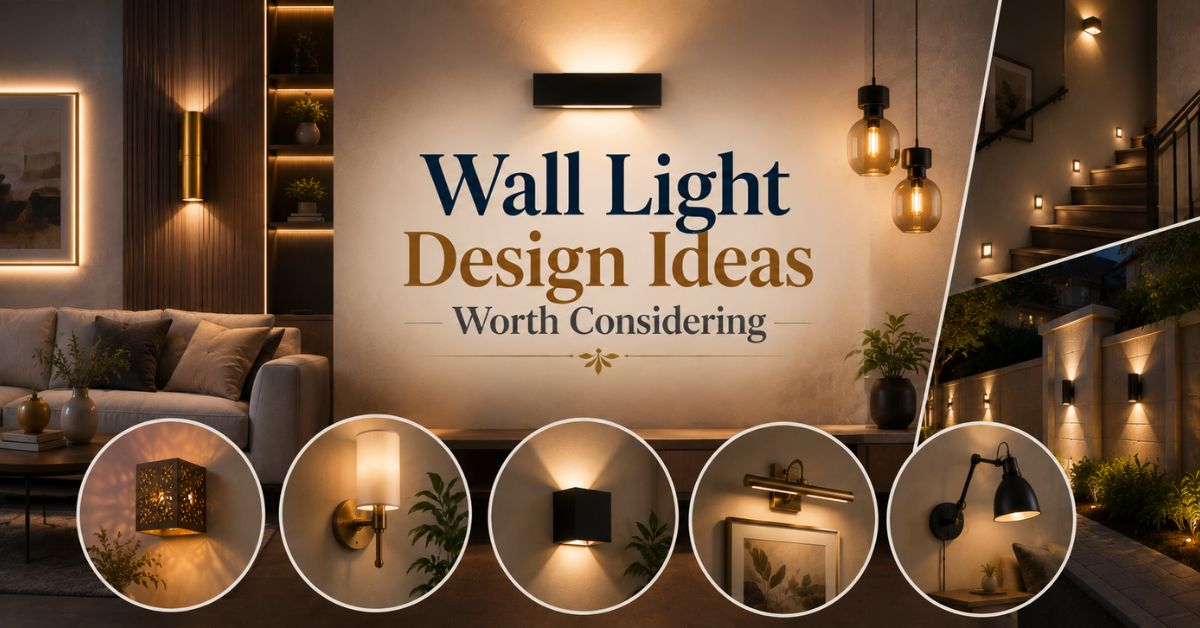
Lighting shapes the mood of a home far more than most homeowners initially realise, and wall light design offers one of the most effective ways to add both function and genuine atmosphere without relying purely on overhead fixtures. A well-placed wall light softens shadows, highlights architectural features, and creates the kind of layered illumination a single ceiling fixture cannot achieve alone. This guide walks through the styles, placements, and planning decisions behind strong wall light design, both indoors and along a home’s exterior.
Why Wall Light Design Deserves Real Attention
Many homeowners rely almost entirely on ceiling fixtures for lighting, overlooking how much a well-placed wall light can transform a room’s atmosphere and functionality. Light design for wall applications adds a layered quality to a space, since illumination from multiple heights and directions reads as considerably more sophisticated than a single flat source overhead. Wall lights also serve genuinely practical purposes beyond ambiance, guiding movement through hallways and staircases at night or providing focused task lighting near a reading chair. Beyond function, a thoughtfully chosen fixture becomes a genuine design statement in its own right, deserving the same care given to furniture or artwork.
Also Read- False Ceiling Lights: Designs, Colours & Ideas That Transform Any Room
Types of Wall Lights Worth Knowing
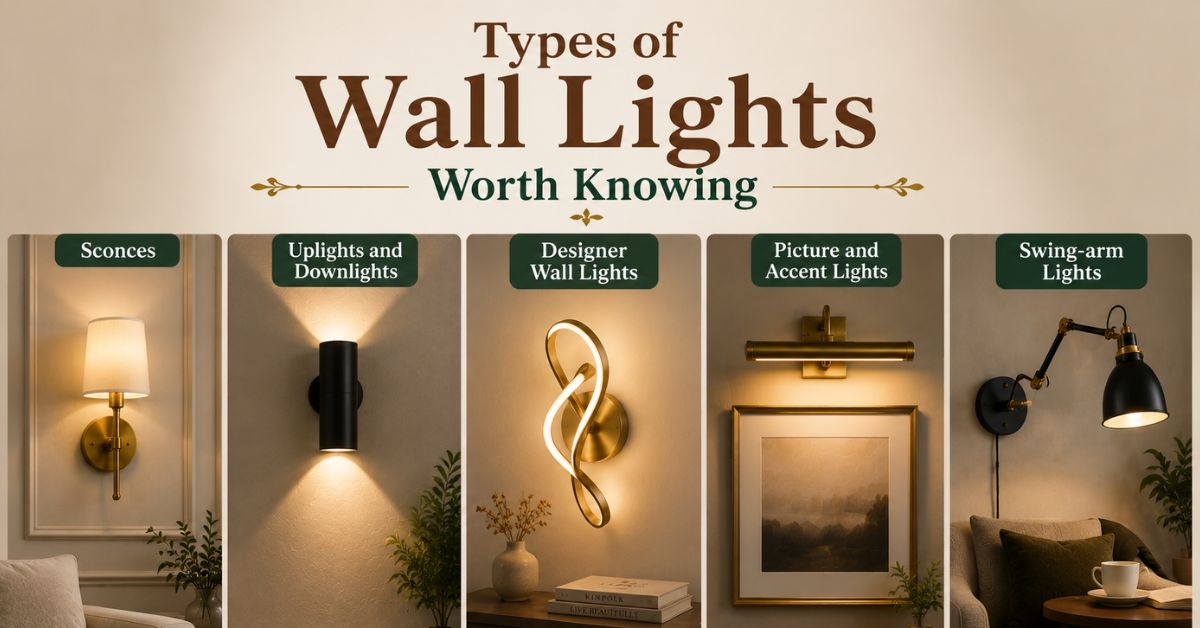
Wall lights come in a genuinely wide range of styles, each suited to a different room and mood. Reviewing these options helps clarify which direction might work best for your own space.
- Sconces – classic fixtures mounted flush or slightly projecting from the wall, offering focused or ambient light
- Uplights and downlights – directional fixtures that wash light either upward toward the ceiling or downward along the wall
- Designer lights – statement pieces with sculptural or artistic forms that function as decor even when unlit
- Picture and accent lights – narrow, focused fixtures aimed at artwork or architectural features to highlight detail
- Swing-arm lights – adjustable fixtures often used beside a bed or reading chair for flexible task lighting
Choosing between these types largely depends on whether you need functional task lighting, softer ambient illumination, or a genuine decorative statement, since designer wall lights in particular often prioritise visual impact over pure practicality.
Bringing Wall Lights Into the Bedroom
Bedroom light design typically favours softer, warmer illumination that supports rest rather than the brighter lighting suited to a kitchen or study. Swing-arm sconces mounted on either side of the bed offer genuinely useful reading light while freeing up nightstand space a table lamp would otherwise occupy. Many homeowners also introduce a single statement fixture above a dressing table, providing focused illumination for grooming tasks. Dimmable bedroom wall light design adds further value, letting the room shift between bright daytime lighting and a softer evening glow.
Also Read- Bedroom Ceiling Design Ideas for Restful, Stylish Rooms
Lighting the Staircase Thoughtfully
Staircase wall light design serves a genuinely important safety function alongside its visual appeal, since well-lit steps considerably reduce the risk of trips or falls at night. Fixtures placed at regular intervals along the staircase wall, positioned to cast light directly onto the treads below, offer the most practical illumination here. Many homeowners choose low-profile, recessed fixtures for staircase light design specifically to avoid protruding hardware that could catch clothing or interfere with the handrail. Beyond safety, a well-executed lighting scheme also adds genuine architectural interest, turning a purely functional passage into a considered design feature.
Where Wall Light Meets Ceiling Design
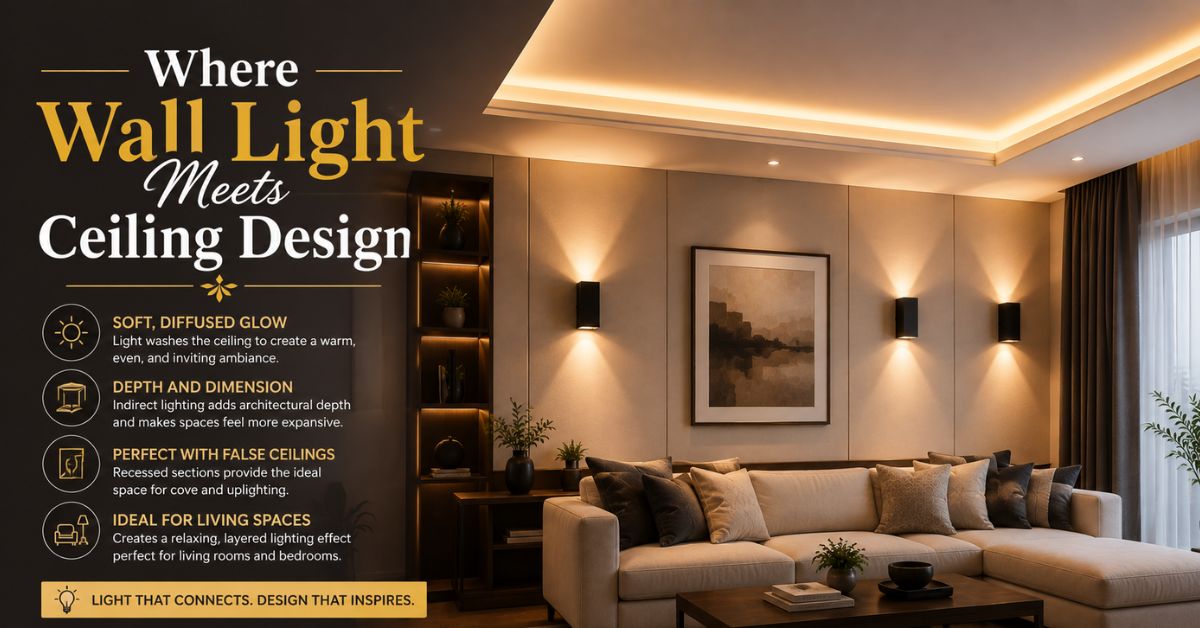
Wall ceiling light design refers to fixtures and lighting schemes that bridge these two surfaces, often using cove lighting or uplights that wash illumination across the ceiling from a wall-mounted source. This approach adds considerable depth to a room, since light reflecting off the ceiling creates a soft, diffused glow quite different from the more direct illumination a standard wall sconce provides. Many homeowners incorporate wall ceiling light design specifically in rooms with a false ceiling, since the recessed sections created during construction offer a natural, built-in location for this kind of indirect lighting. This combination approach works particularly well in living rooms and bedrooms, where a softer, more ambient quality of light generally suits the room’s function better than sharp, direct illumination.
Illuminating the Boundary Wall
Boundary wall light design plays a meaningful role in both home security and curb appeal, since a well-lit perimeter deters unwanted visitors while also enhancing how a property looks after dark. Bollard-style fixtures or recessed wall-mounted lights work particularly well along a boundary wall, providing consistent illumination without creating harsh glare that could bother neighbours or passersby. Many homeowners also use boundary wall light design to highlight landscaping or architectural features along the property’s perimeter, adding a layer of visual interest beyond pure security function. Motion-sensor fixtures have grown particularly popular for this application, since they provide bright illumination exactly when needed while conserving energy during quieter overnight hours.
Also Read- PVC Wall Panel Designs for Modern Indian Homes
Making a Statement on the Front Wall
Front wall light design shapes a home’s very first impression after dark, making it one of the more visually important lighting decisions on the entire property. A well-executed front wall light design should feel proportionate to the entrance itself, neither so subtle that it fails to properly illuminate the doorway nor so bold that it overwhelms the facade’s other design elements. Many homeowners pair front wall light design with the home’s main door and grill work, choosing a finish that coordinates with existing hardware for a cohesive overall appearance. Warm-toned fixtures generally suit residential entrances better than cooler, more clinical light temperatures, creating a welcoming glow rather than a stark, institutional feel.
General Room Wall Light Design Principles
Room wall light design across any space in the home benefits from a few consistent planning principles, regardless of the specific room’s function. Wall design with light works best when fixtures are positioned at a consistent height throughout a room or along a hallway, creating visual rhythm rather than a scattered, inconsistent appearance. Layering wall lights alongside ceiling fixtures, rather than relying on either source exclusively, generally produces the most flexible and genuinely functional lighting scheme. Considering how a fixture looks both switched on and off also matters, since wall lights remain visible design elements throughout the day even when not illuminated, meaning their physical form deserves as much thought as their light output.
Key Factors to Check Before You Finalise Your Design
Before committing to any particular light design, a handful of practical checks can help you avoid costly mistakes later.
- Mounting height – confirm fixture placement suits the room’s function, lower for bedside reading, higher for general ambient light
- Electrical planning – finalise wiring locations before wall finishing work begins, since retrofitting is far more disruptive afterward
- Light temperature – choose warm tones for relaxing spaces and cooler tones for task-focused areas like a study or kitchen
- Weather rating – confirm any exterior fixture, including boundary wall light design, carries appropriate outdoor weatherproofing
- Dimmer compatibility – check that chosen fixtures work with dimmer switches if flexible mood lighting matters to you
- Style coordination – match fixture finish with nearby hardware, such as door handles or railings, for a cohesive look
Maintenance Tips for Long-Lasting Wall Lights
Even well-chosen wall light design benefits from some basic ongoing care to preserve both function and appearance over many years. Dust fixtures periodically to prevent buildup that can dim output or dull decorative finishes over time. Check exterior fixtures, including front wall light design and boundary wall light design, for weatherproofing seal integrity, particularly before monsoon season each year. Replace bulbs promptly when they burn out, and consider upgrading to LED options for both energy efficiency and longer replacement intervals. Test dimmer switches and any motion-sensor fixtures periodically to confirm they continue functioning smoothly as intended.
Also Read- Wall Panel Designs: Fresh Ideas to Elevate Your Home
Common Mistakes to Avoid in Wall Light Design
Many homeowners choose fixtures purely based on how they look in a showroom, without considering how the light output will actually function within their specific room. Avoid mounting wall lights at an inconsistent height throughout a space, since this common mistake creates a visually disjointed rather than considered appearance. Do not overlook electrical planning early in the design process, since retrofitting wiring into finished walls proves considerably more disruptive than planning around it from the outset. Skipping proper weatherproofing for exterior fixtures is another common misstep, often leading to premature fixture failure within just a single monsoon season.
Bringing It All Together
Wall light design offers a genuinely effective way to add both function and atmosphere to every part of a home, from the bedroom to the boundary wall. From choosing the right fixture type and placement to planning electrical work and weatherproofing carefully, every decision shapes how the finished space looks and feels for years to come. Taking the time to compare a few styles, check practical factors like mounting height and light temperature, and coordinate your wall light design with the rest of your home’s finishes ensures the lighting you choose serves your home well for a long time ahead.
Explore Express Builders ongoing residential projects across Noida and Greater Noida West. See the quality and planning behind every home firsthand.
Book a free site visit today with Express Builders. Walk through our ongoing projects and see construction quality up close. Check out floor plans, amenities, and location advantages in person. Meet our team and get your property-related questions answered directly. Schedule a visit at your convenience.
Frequently Asked Questions
1. What is the ideal height for bedroom wall light design fixtures?
Bedside sconces typically work best around fifty-five to sixty inches from the floor, positioned for comfortable reading height.
2. Are designer wall lights worth the additional investment?
Yes, particularly for feature walls, since these fixtures function as genuine decor pieces even when switched off.
3. What lighting works best for staircase wall light design?
Low-profile, recessed fixtures positioned at regular intervals along the wall provide the safest, most practical illumination.
4. Should boundary wall light design use motion sensors?
Motion sensors work well here, providing bright illumination when needed while conserving energy during quiet overnight hours.
5. Can wall lights work with a dimmer switch?
Yes, though it’s worth confirming dimmer compatibility with your chosen fixture before installation to avoid flickering issues.
