
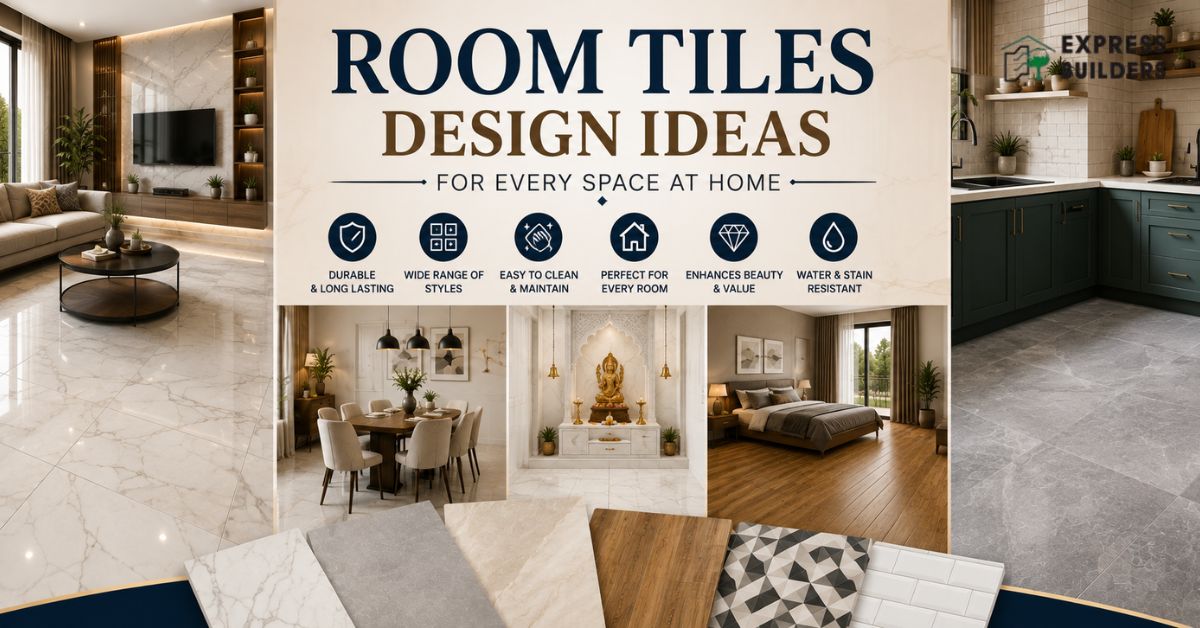
Tiles shape the character of a room in a way few other finishing materials can match, affecting everything from how a space looks to how it feels underfoot every day. Room tiles design brings together material, colour, and pattern choices that need to work sensibly across floors and sometimes walls, depending on the room and function you’re planning for. Unlike paint, which can be changed relatively easily, tile choices tend to remain in place for many years, making the decision worth genuine research rather than a rushed selection. This guide walks through the materials, styles, and planning decisions behind strong room tiles design.
Why Room Tiles Design Deserves Careful Planning
Many homeowners treat tile selection as a purely visual decision, choosing whatever pattern catches their eye in a showroom without considering how that choice performs under the specific demands of a room. A strong room tiles design depends on matching material properties to room function, since a tile suited to a bedroom floor might perform poorly in a kitchen or bathroom facing moisture exposure. Getting this right also affects resale value, since dated tile work is one of the first details a buyer notices while touring a home. Treating tile selection with the same care given to furniture and paint genuinely elevates how finished every room feels.
Also Read-Kitchen Tiles Design Ideas for Every Home Style
Materials Shaping Tile Choices Today
Tile material affects durability, maintenance, and overall visual character, and understanding the core options makes the decision considerably easier. Ceramic tiles remain a budget-friendly, versatile choice, offering a wide range of colours suited to most rooms. Porcelain tiles cost somewhat more but offer superior density and water resistance, suiting high-moisture areas or heavy foot traffic. Vitrified tiles combine strength with a glossy or matte finish that resists staining without frequent sealing, a category increasingly popular across Indian homes. A wooden finish floor tile has also grown popular recently, replicating the warmth of natural timber while offering far better moisture resistance and lower maintenance.
Popular Styles Worth Considering
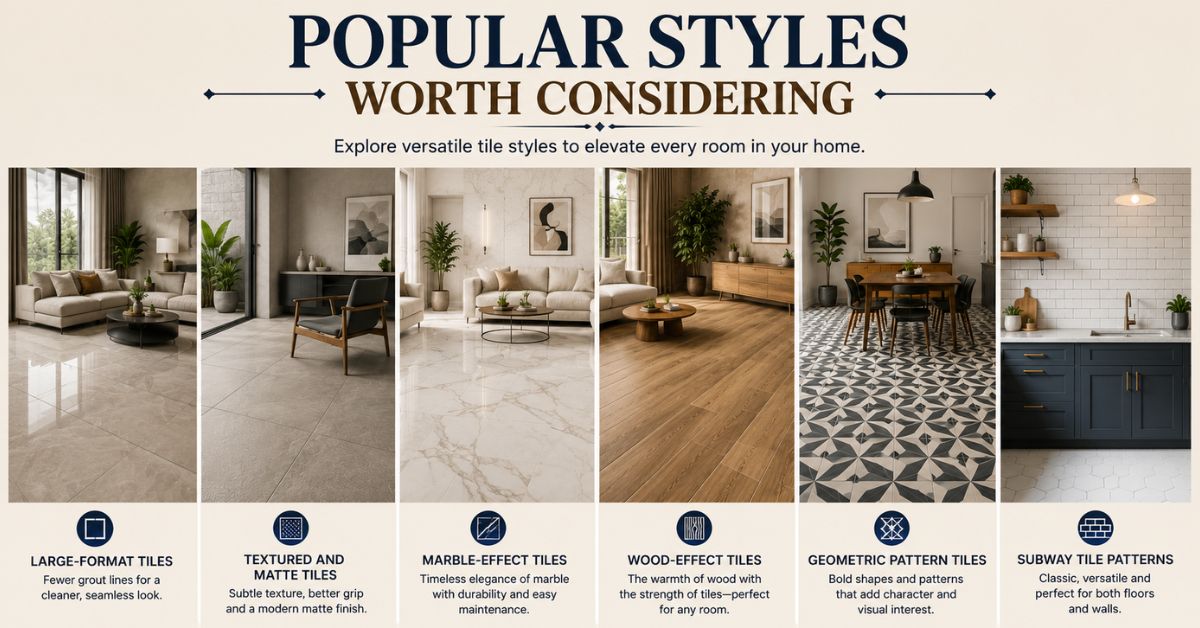
Room tiles design today spans a genuinely wide range of visual styles, moving well beyond the plain, single-colour tiles common in earlier decades. Reviewing these options helps clarify which direction might suit your own space and taste.
- Large-format tiles – bigger tile sizes that reduce visible grout lines for a cleaner, more seamless floor appearance
- Textured and matte tiles – finishes that offer better slip resistance while adding subtle depth to the surface
- Marble-effect tiles – porcelain or vitrified tiles printed to replicate natural marble at a fraction of the cost
- Wood-effect tiles – tiles designed to mimic timber grain, combining warmth with practical, low-maintenance performance
- Geometric pattern tiles – bold repeating shapes that add visual interest, often used as an accent rather than throughout
- Subway tile patterns – rectangular tiles laid in an offset pattern, popular for both floor and wall applications
Choosing between these styles often depends on the specific room and how much visual complexity that space can comfortably support without feeling cluttered.
Bringing Tiles Into the Living Room
Living room tiles design tends to prioritise a balance between durability and a refined, welcoming appearance, since this room typically sees the heaviest daily traffic in the home. Floor tiles designs for living room spaces increasingly favour large-format porcelain or vitrified tiles, since fewer grout lines create a more spacious, seamless feel. Modern tiles design for living room applications also leans toward neutral, matte finishes over glossy options, since matte surfaces show less dust and offer a more contemporary appearance. Many homeowners also introduce a subtle darker tone in high-traffic pathways, helping the floor hide daily wear while coordinating with lighter tones elsewhere.
Also Read- House Front Tiles Design Ideas for a Stunning Exterior
Wall Tiles That Add Character to the Living Room
Living room wall tiles design has grown in popularity as homeowners look for ways to add texture beyond flat painted surfaces. Wall tiles design for living room applications often concentrates on a single feature wall, such as behind a television unit, rather than covering every surface. Room wall tiles design in this context benefits from a bolder pattern or textured finish, since a single accent wall can support more visual complexity than tiles applied throughout the space. Room tiles design wall choices also increasingly incorporate stone-effect or 3D textured options, adding genuine depth that flat paint cannot replicate.
Choosing Tiles for the Dining Room
Dining room tiles design shares many practical considerations with the living room, given how closely these spaces often connect within an open floor plan, though dining areas face additional demands from spilled food and drink. A tile with good stain resistance matters considerably here, particularly beneath and around the dining table where spills happen most frequently. Many homeowners choose a tile that flows continuously from the living area into the dining space, reinforcing visual continuity in open-plan homes rather than an abrupt material change.
Tiles for the Pooja Room: A Special Consideration
Pooja room tiles design often follows different priorities compared to the rest of the home, since this space carries particular cultural significance for many Indian households. Lighter tones, including white, cream, or soft marble-effect finishes, remain especially popular here, reflecting a sense of purity and calm. Many homeowners also favour minimal pattern or texture, keeping the visual focus on the idols and decor rather than a busy floor design.
Selecting the Right Floor Tile for Any Room
Tiles design for room floor spaces should always account for the specific function and traffic pattern of that room. Bedrooms benefit from softer, warmer tones, since this space is meant primarily for rest rather than heavy daily activity. Kitchens and bathrooms need materials rated for moisture and stain resistance, given the consistent exposure to water and food residue. Balancing these functional needs against personal taste generally produces a tile choice that performs well for many years after installation.
Key Factors to Check Before You Finalise Your Tiles
Before committing to any particular room tiles design, a handful of practical checks can help you avoid costly mistakes later.
- Slip resistance rating – confirm floor tiles offer adequate grip, particularly important in bathrooms and kitchens
- Water absorption rate – check this specification closely for any room with regular moisture exposure
- Grout width and colour – decide on grout specifications early, since this affects both maintenance and visual continuity
- Room size and lighting – consider how tile colour and size will read under your room’s actual natural and artificial light
- Batch consistency – source enough tiles from a single production batch to avoid visible colour variation across the floor
- Long-term maintenance – weigh upfront cost against expected cleaning and upkeep requirements over time
Maintenance Tips for Long-Lasting Tiles
Even the best room tiles design will show wear prematurely without basic ongoing care. Sweep or vacuum floors regularly to prevent grit from acting as an abrasive under foot traffic. Use a pH-neutral cleaner for natural stone or stone-effect tiles, since harsh cleaners can dull the finish over repeated use. Reseal grout lines periodically, particularly in high-moisture areas, to prevent staining and mould in the gaps between tiles. Address cracked or chipped tiles promptly, since moisture can seep beneath damaged sections and cause further issues.
Common Mistakes to Avoid in Room Tiles Design
Many homeowners select tiles purely based on a small showroom sample, without considering how the pattern will read across an entire room under actual home lighting conditions. Avoid choosing highly glossy floor tiles without checking slip resistance, since a beautiful floor that becomes dangerously slippery when wet creates a genuine safety concern. Do not overlook grout maintenance requirements when comparing options, since a stunning tile paired with grout that stains easily can quickly begin looking unkempt. Skipping a physical sample check in your actual room is another common misstep, since tile colours can appear noticeably different under different lighting than they did in a showroom.
Also Read- Terracotta Tiles: A Complete Guide to Design, Price and Benefits
Bringing It All Together
Room tiles design shapes both the everyday function and lasting visual appeal of a home, making it a decision worth genuine comparison rather than a rushed choice. From selecting the right material and pattern for each specific room to coordinating living room wall tiles design with the rest of your interior, every choice contributes to how the space performs and looks for years to come. Taking the time to compare a few options, check practical factors like slip resistance and water absorption, and view samples under your actual lighting ensures the room tiles design you choose serves your home well for a long time ahead.
Explore Express Builders ongoing residential projects across Noida and Greater Noida West. See the quality and planning behind every home firsthand.
Book a free site visit today with Express Builders. Walk through our ongoing projects and see construction quality up close. Check out floor plans, amenities, and location advantages in person. Meet our team and get your property-related questions answered directly. Schedule a visit at your convenience.
Frequently Asked Questions
1. What is the best tile material for high-traffic rooms like the living room?
Porcelain or vitrified tiles generally perform best, offering strong durability and resistance to daily wear and staining.
2. Are wood-effect tiles a good alternative to real wood flooring?
Yes, a wooden finish floor tile offers similar warmth with far better moisture resistance and lower maintenance than natural timber.
3. What tiles work best for a pooja room?
Light, minimally patterned tiles in white, cream, or marble-effect finishes suit pooja room tiles design well, supporting a calm atmosphere.
4. Should wall tiles be used throughout a living room or just on one wall?
Most homeowners concentrate wall tiles design for living room spaces on a single feature wall rather than the entire room.
5. How often should room tiles be resealed or maintained?
Reseal grout every one to two years, and inspect tiles periodically for cracks or chips, especially in high-moisture rooms.
