
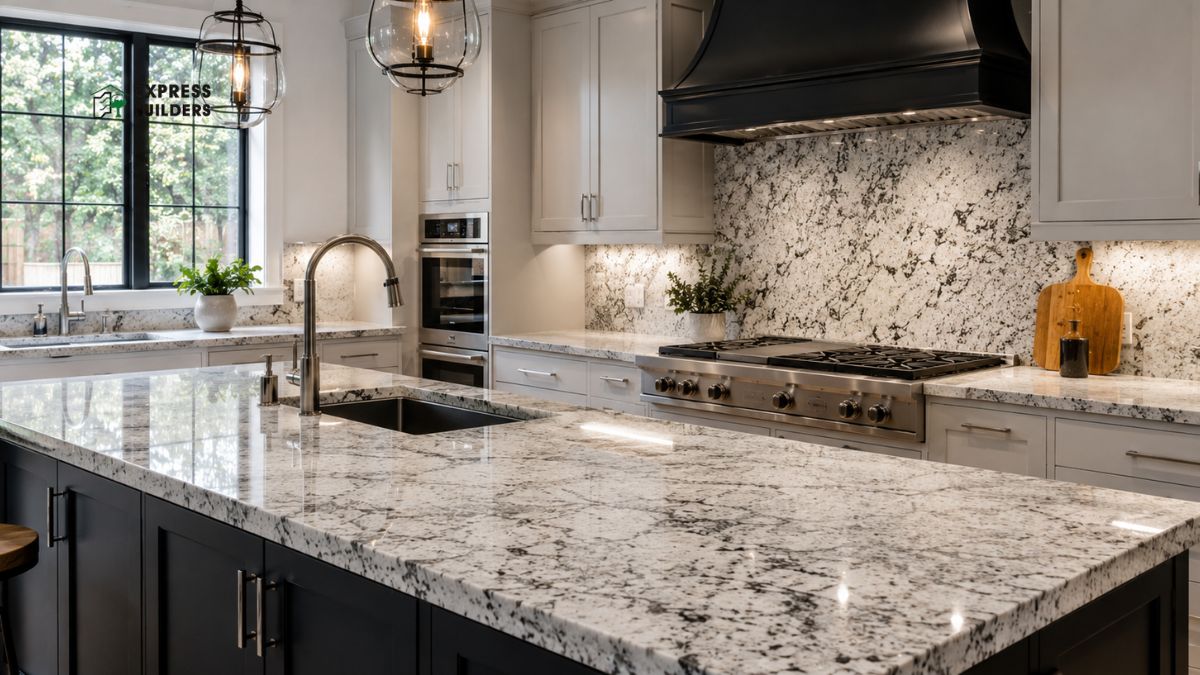
Kitchen slab design shapes how your entire kitchen looks and functions. Homeowners today spend more time choosing slabs than ever before. A good slab design balances beauty, durability, and daily practicality. This guide explains everything you need to know about kitchen slab design. It covers materials, styles, colours, and maintenance tips. You will also learn about kitchen slab tiles design and kitchen slab granite design. Read on to plan your dream kitchen slab confidently. This guide is useful whether you are renovating or building fresh. It suits apartment kitchens as well as larger independent homes. Take your time reading each section carefully before deciding.
Why Kitchen Slab Design Matters
The kitchen slab forms the heart of your cooking space. It handles chopping, spills, heat, and constant daily use. A poorly chosen slab wears out quickly and looks dull. A well-planned slab design elevates the entire kitchen’s appearance. It also affects resale value when you sell your home later. Buyers notice slab quality during property visits and inspections. Smart slab design saves money on repairs and replacements. It also reduces daily stress during cooking and cleaning routines. Choosing the right slab early prevents costly renovation work later. This makes kitchen slab design a crucial home planning decision.
Popular Materials for Kitchen Slab Design
Granite remains the most popular choice for kitchen slabs. It offers natural strength and resists scratches effectively. Kitchen slab granite design comes in countless colours and patterns. Each granite slab looks unique due to natural veining. Quartz is another strong contender for modern kitchens. It offers consistent patterns and requires less maintenance than granite. Marble brings elegance but needs careful upkeep and sealing. It stains easily if spills are not cleaned quickly. Corian and other solid surfaces provide seamless, smooth finishes. These materials suit contemporary kitchens with minimalist design goals. Stainless steel slabs work well in compact, functional kitchens. They resist heat, stains, and bacteria growth effectively. Choosing the right material depends on budget, usage, and style preference.
Exploring Kitchen Slab Tiles Design
Kitchen slab tiles design offers a budget-friendly alternative to solid slabs. Tiles come in various sizes, colours, and finishes. Homeowners can mix and match tiles for unique patterns. Ceramic tiles resist stains and are easy to clean. Porcelain tiles offer higher durability and lower water absorption. Both options suit heavy-use kitchen environments well. Tile grout lines need regular cleaning to prevent grime buildup. Choose tiles with minimal grout lines for easier maintenance. Textured tiles add visual interest without looking overly busy. Glossy tiles reflect light and brighten smaller kitchen spaces. Matte tiles offer a subtle, modern aesthetic instead. Kitchen slab tiles design works well for both walls and countertops. It also pairs nicely with wooden cabinetry for warmth.
Read More: Kitchen Decor Items: A Complete Style Guide for your Kitchen
Understanding Kitchen Slab Granite Design
Kitchen slab granite design remains a timeless choice among homeowners. Granite slabs come from natural stone quarried worldwide. Each slab carries unique patterns formed over millions of years. Popular granite colours include black, white, brown, and beige. Some slabs feature dramatic veining while others show subtle speckles. Granite resists heat, making it ideal near stovetops. It also resists scratches from knives and cookware. Proper sealing keeps granite slabs stain-resistant for years. Reseal granite slabs annually to maintain their protective coating. Granite pairs beautifully with both light and dark cabinetry. It suits traditional, transitional, and modern kitchen styles alike. Kitchen slab granite design adds long-term value to any home.
Choosing Colours and Patterns
Colour selection dramatically changes a kitchen’s overall mood. Light colours make small kitchens feel more spacious. Dark colours add drama and sophistication to larger kitchens. Neutral tones like beige and grey suit most kitchen styles. They also pair well with various cabinet and wall colours. Bold patterns work best as accent pieces or backsplashes. Subtle patterns suit full countertop applications better. Consider your existing kitchen colour scheme before choosing slabs. Match undertones between walls, cabinets, and slab materials carefully. Sample slabs under natural light before finalising your choice. Lighting conditions can change how colours actually appear. Always view large slab samples, not just small swatches.
Slab Thickness and Edge Profiles
Slab thickness affects both durability and visual weight. Standard countertop slabs measure between two and three centimetres. Thicker slabs create a more substantial, luxurious appearance. Thinner slabs suit minimalist kitchens with sleek design goals. Edge profiles also influence the overall kitchen aesthetic significantly. Straight edges suit modern, minimalist kitchen designs well. Bullnose edges offer softer, rounded corners for safety. Bevelled edges add subtle detail without overwhelming the design. Ogee edges bring classic elegance to traditional kitchens. Choose edge profiles that match your kitchen’s overall style. Consider household safety, especially with young children present. Rounded edges reduce injury risk in busy family kitchens.
Comparing Granite, Quartz, and Marble
Choosing between granite, quartz, and marble confuses many homeowners. Each material suits different lifestyles and design priorities. The table below compares their key properties at a glance.
| Property | Granite | Quartz | Marble |
| Origin | Natural stone | Engineered | Natural stone |
| Heat resistance | High | Moderate | Moderate |
| Stain resistance | Good with sealing | Excellent | Low |
| Maintenance | Annual resealing | Low upkeep | Frequent care |
| Best for | High-heat areas | Busy kitchens | Elegant showpieces |
Weigh durability, appearance, and upkeep before making your final choice.
Maintenance Tips for Kitchen Slabs
Regular cleaning keeps kitchen slabs looking new for years. Wipe spills immediately to prevent staining and discolouration. Use mild soap and water for daily slab cleaning. Avoid harsh chemicals that can damage slab surfaces. Reseal natural stone slabs annually for continued protection. Use cutting boards to prevent scratches from knives. Avoid placing extremely hot pots directly on slabs. Use trivets or heat pads for added protection. Clean grout lines regularly if using tile designs. A soft brush works well for grout maintenance. Address small chips or cracks quickly before they worsen. Professional resealing services help maintain granite slabs long-term.
Budget Considerations for Slab Design
Budget plays a major role in slab material selection. Granite typically costs more than ceramic or porcelain tiles. Quartz often costs similarly to mid-range granite options. Tiles offer flexibility for homeowners working with tighter budgets. Consider long-term costs alongside initial installation expenses. Cheaper materials may require more frequent replacement over time. Investing in quality slabs often saves money eventually. Compare multiple suppliers before finalising your slab purchase. Request samples to assess quality before committing fully. Factor in installation costs, which vary by material type. Professional installation ensures proper fitting and long-term durability.
Trends in Kitchen Slab Design
Minimalist designs continue dominating modern kitchen slab choices. Homeowners increasingly prefer clean lines and simple patterns. Waterfall edges, where slabs extend down cabinet sides, remain popular. This design creates a seamless, luxurious visual effect. Matte finishes are replacing glossy finishes in many homes. They offer a sophisticated look while hiding fingerprints better. Mixed materials, combining tiles and slabs, are gaining popularity. This approach adds visual interest and functional zoning. Sustainable materials are also becoming more sought after. Homeowners want eco-friendly options without sacrificing style or durability. Staying updated with trends helps future-proof your kitchen investment.
Lighting and Its Impact on Slab Appearance
Lighting changes how kitchen slabs appear throughout the day. Natural light reveals true colours and subtle patterns clearly. Artificial lighting can shift undertones in unexpected ways. Warm lighting enhances beige, brown, and gold slab tones. Cool lighting suits grey, white, and black slab designs. Under-cabinet lighting highlights countertop textures during food preparation. Pendant lights above islands showcase slab patterns beautifully. Test slab samples under both daylight and artificial light. This helps avoid surprises after installation is complete. Good lighting design complements your chosen slab perfectly. It also improves visibility during everyday cooking tasks.
Vastu Considerations for Kitchen Slab Design
Many Indian homeowners consider Vastu principles during kitchen planning. Vastu suggests placing the kitchen in the southeast direction. Slab colours also carry importance according to Vastu guidelines. Light colours like white, cream, and beige are favoured. These shades are believed to promote positive energy flow. Dark colours are generally avoided for main kitchen slabs. Some homeowners combine Vastu principles with modern design trends. This creates kitchens that feel both traditional and contemporary. Consult a Vastu expert if this matters to your family. Balance personal beliefs with practical design considerations thoughtfully. A harmonious kitchen supports both function and peace of mind.
Combining Slab Design with Cabinet Styles
Cabinet style greatly influences overall kitchen slab selection. Glossy cabinets pair well with matte slab finishes. Matte cabinets often look best with glossy slab surfaces. This contrast creates visual balance within the kitchen space. Wooden cabinets suit warm-toned granite and quartz slabs. White or light cabinets pair beautifully with bold slab patterns. Dark cabinets create striking contrast with light-coloured slabs. Consider handle and hardware finishes alongside slab colours too. Metallic accents should complement, not clash with, slab tones. Cohesive design between cabinets and slabs elevates kitchen aesthetics. Small details like these make a significant visual difference.
Common Mistakes to Avoid
Avoid choosing slabs based solely on trends or fads. Trends change, but your kitchen should last for years. Do not ignore maintenance requirements before making a purchase. Some materials demand more upkeep than homeowners expect. Avoid mismatched colours between slabs, cabinets, and flooring. This creates a disjointed, unappealing kitchen appearance overall. Do not skip professional installation to save minor costs. Poor installation can lead to cracks and premature wear. Avoid selecting slabs without seeing large physical samples first. Small swatches rarely represent the full slab’s appearance. Skipping proper sealing on natural stone causes staining issues. Always follow manufacturer guidelines for care and maintenance.
Tips for Choosing the Right Slab Design
Start by assessing your kitchen’s overall size and layout. Larger kitchens can handle bolder patterns and colours. Smaller kitchens benefit from lighter, simpler slab designs. Consider your cooking habits and daily kitchen usage patterns. Heavy cooking demands more durable, heat-resistant materials. Match slab design with existing flooring and wall colours. Consult professionals for expert guidance on material selection. Visit showrooms to see and touch actual slab samples. Request quotes from multiple vendors for price comparison. Always factor in long-term maintenance requirements before deciding. Choose designs that reflect your personal style and taste. A well-chosen slab enhances both function and aesthetics beautifully. Involve every family member who uses the kitchen regularly. This ensures the final design suits everyone’s practical needs. Small compromises early on prevent regret after installation is finished.
Conclusion
Kitchen slab design plays a vital role in home planning. It combines aesthetics, durability, and daily functionality effectively. Whether you choose granite, tiles, or quartz, plan carefully. Consider your budget, usage habits, and maintenance capacity honestly. Kitchen slab tiles design and kitchen slab granite design both offer unique benefits. Explore samples, consult experts, and compare options thoroughly. A well-designed kitchen slab enhances your home’s value and comfort. Take time to choose wisely for lasting satisfaction.
Thinking about upgrading your kitchen slab design?
Express Builder brings decades of expertise in crafting thoughtfully designed homes across Delhi-NCR. Our residential projects feature well-planned kitchens built for comfort and everyday living. Explore our developments and experience quality craftsmanship firsthand. Book a site visit today and discover your future home’s true potential.
Frequently Asked Questions
Which material is best for kitchen slab design?
Granite and quartz remain the most popular, durable choices. They resist heat, scratches, and stains effectively over time.
How often should granite slabs be resealed?
Reseal granite slabs annually to maintain their protective coating. This prevents staining and keeps surfaces looking new.
Is kitchen slab tiles design cheaper than solid slabs?
Yes, tiles generally cost less than solid granite or quartz. They also offer flexibility in patterns and budgets.
What edge profile suits modern kitchens best?
Straight or bevelled edges suit modern, minimalist kitchen designs well. They create clean lines without excess ornamentation.
