
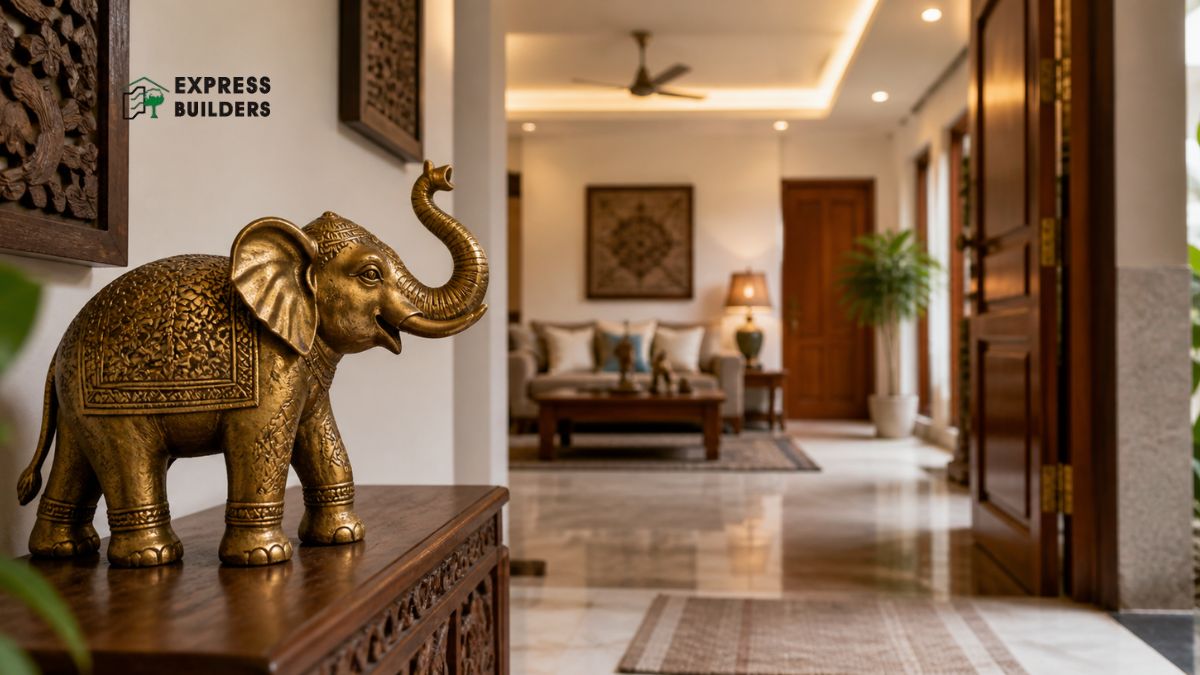
Walk into almost any traditional Indian home, and you will spot an elephant somewhere, perched on a shelf, guarding the entrance, or sitting quietly in a pooja corner. There is a reason this symbol has survived centuries of changing decor trends. An elephant statue for home is not just an ornament; it is a living piece of intention, culture, and belief.
But here is the thing most people get wrong: they buy a beautiful elephant statue and then place it wherever it looks good visually. Vastu Shastra, the ancient Indian science of spatial arrangement, tells us that placement matters just as much as the statue itself. The wrong spot can neutralise all the positive energy you were hoping to invite in.
Why the Elephant is a Sacred Symbol in Indian Homes
In Hindu tradition, Lord Ganesha, the elephant-headed son of Shiva and Parvati, is the first deity invoked before any new beginning. He removes obstacles, blesses endeavours, and guards the threshold between ordinary space and the sacred. It is no coincidence that elephant statues are placed at entrances across India.
Beyond religion, the elephant represents qualities every household aspires to embody: strength without aggression, wisdom without arrogance, memory without bitterness, and abundance shared generously. Ancient texts describe the elephant as the vehicle of Indra, the king of gods, and as one of the eight sacred guardians of the cardinal directions.
Feng Shui, which shares several principles with Vastu Shastra, also treats the elephant as a powerful symbol of protection, good luck, and family unity. This cross-cultural reverence is why an elephant statue for home continues to hold its place in modern interiors around the world.
Types of Elephant Statues for Home: Which One Should You Choose?
Before you think about placement, you need to choose the right material. Each material carries its own energy, aesthetic, and maintenance requirement. Here is a breakdown of the most popular types.
Wooden Elephant Statue
A wooden elephant statue brings the grounded, organic energy of nature indoors. Craftsmen typically use teak, rosewood, mango wood, or sandalwood to create these pieces, often with intricate hand-carved detailing that makes each statue unique. The warmth of wood makes it a natural fit for living rooms, study spaces, and bedroom shelves.
From a Vastu perspective, wood represents growth and vitality. A wooden elephant statue placed in the east or north of your home aligns beautifully with these directions, which govern health and prosperity respectively. If your home has a warm, earthy, or rustic decor palette, a wooden elephant statue will feel completely at home.
Brass Elephant Statue
A brass elephant statue is considered the most auspicious choice in traditional Vastu Shastra. Brass is a sattvic metal, one that resonates with positive, uplifting energy. It has been used in Indian temples and households for millennia, not just for its beauty, but for its spiritual conductivity.
A brass elephant statue is ideal for the pooja room, the main entrance, or the north-east corner of your home. Its golden gleam symbolises abundance, and it pairs naturally with traditional or Indo-contemporary interior styles. Regular polishing keeps both its lustre and its vastu benefits intact.
Marble and Stone Elephant Statues
Marble elephants exude a quiet permanence and luxury. They work beautifully in formal living rooms, foyers, and garden spaces. White marble in particular symbolises purity and peace, making it a good choice for meditation corners or serene bedroom setups. Stone statues are also extremely durable, making them ideal for outdoor placement near entrances.
Crystal and Glass Elephant Statues
Crystal elephant statues, especially those carved from rose quartz, clear quartz, or amethyst, are popular in contemporary homes. Crystal amplifies energy, so the intent you place behind the statue matters. Rose quartz elephants are often placed in bedrooms to nurture love and emotional harmony. Clear quartz varieties work well in home offices for mental clarity.
Elephant Statue Vastu: The Rules That Actually Matter
Elephant statue vastu is a nuanced subject. The same statue can attract fortune or create stagnant energy depending on where you place it, which direction it faces, and how it is oriented. Here are the key principles.
The Trunk Position: Raised vs. Downward
This is the question every buyer asks first. A raised trunk elephant statue is said to shower blessings outward, projecting luck, energy, and prosperity into the surrounding space. Vastu and Feng Shui both recommend the raised trunk elephant for the main entrance, where its energy actively greets and charges the space.
A downward trunk statue, on the other hand, is associated with grounded, steady energy. It symbolises stored wisdom, fertility, and the slow accumulation of wealth. Many Vastu experts actually prefer it for interior rooms, particularly the study and bedroom, because it sustains energy rather than dispersing it. Neither is wrong; the choice depends on the room and your intention.
Which Direction Should the Elephant Face?
The elephant should always face inward, into the room, not toward a wall or door. When placed at the entrance, the statue should face into the home, welcoming good energy rather than pushing it away. An elephant facing outward is seen as a guardian, which is appropriate only for exterior placements.
The Significance of Pairs and Groups
A single elephant represents individual strength and focus. Two elephants placed together symbolise partnership, loyalty, and a loving bond, making a pair an excellent choice for the bedroom or living room of a couple. Seven elephants walking in a line is one of the most powerful combinations in both Vastu and Feng Shui, associated with luck, prosperity, and the fulfilment of long-held wishes.
Read More: Bed Direction as Per Vastu
Room-by-Room Placement Guide for Your Elephant Statue
Main Entrance and Front Door
The entrance is the most powerful placement for an elephant statue for home. This is where energy first enters your living space, and the elephant acts as a filter and amplifier for that energy. Place two matching elephants, ideally stone, brass, or large wooden ones, flanking the door on either side, facing inward.
If space is limited, a single elephant on a console table just inside the entrance works equally well. Ensure the trunk faces the interior. Avoid placing the statue directly on the floor; use a raised surface, even if modest, to maintain the symbolic dignity of the piece.
Living Room
The living room is where family gathers, guests are welcomed, and the energy of the home is most visible. An elephant statue here should be placed on a shelf, mantelpiece, or side table, never on the floor. The north, north-east, or east wall is ideal from a Vastu perspective.
A wooden elephant statue fits beautifully in warm living rooms with earthy tones, exposed wood, or natural textures. A brass elephant statue adds a regal touch to more formal or traditional living spaces. Ensure the statue is at eye level or above, giving it visual prominence without dominating the room.
Bedroom
The bedroom calls for a lighter, more intimate energy. Avoid large, imposing elephant statues in this space; smaller figurines on a bedside table or dresser are more appropriate. A pair of elephants placed near the bed is associated with a loving partnership and restful sleep.
In terms of direction, the south-west corner of the bedroom is considered ideal for relationship-enhancing placements in Vastu. A small wooden elephant statue or a rose quartz crystal elephant placed here quietly nurtures the bond between partners. Keep this corner clean, well-lit, and free of clutter.
Study Room and Home Office
Elephants represent memory, intelligence, and the capacity for long, disciplined work, all qualities that align perfectly with a study or home office. Place a small wooden or crystal elephant on your work desk, preferably in the north-east corner, which governs focus and knowledge in Vastu.
Students preparing for competitive exams often keep a brass elephant statue on their study table as a reminder of Ganesha’s blessings for learning. Even in modern home offices, a well-placed elephant statue adds a grounding, purposeful energy that supports concentrated effort.
Pooja Room
The pooja room or prayer corner is where a brass elephant statue truly comes into its own. Place it near the idol of Lord Ganesha or at the base of the altar as an offering of reverence. Keep this elephant especially clean, wipe it regularly with a soft cloth and offer it incense or fresh flowers on auspicious days.
Avoid placing too many statues in a small pooja room; each piece should have space to breathe and radiate its energy freely.
Vastu Directions at a Glance
Here is a quick reference for placing your elephant statue according to Vastu Shastra:
- North: Career growth, financial opportunities, and professional abundance
- East: Family health, vitality, and morning energy
- North-East: Spiritual clarity, wisdom, and divine blessings
- South-West: Relationship harmony, stability, and marital strength
- Avoid South and South-East: These directions can attract restless or disruptive energy when associated with elephant statues
Mistakes That Undermine Your Elephant Statue’s Energy
Even the finest brass elephant statue loses its power if it is placed carelessly. Here are the most common mistakes homeowners make, and how to avoid them.
- Placing the statue on the floor: Always keep it elevated on a shelf, table, or platform
- Keeping a broken or chipped statue: A damaged elephant is considered inauspicious; replace it immediately
- Placing elephants in the bathroom or above the kitchen stove: These are spaces of waste and fire; incompatible with the elephant’s energy
- Positioning the trunk toward the main door (facing outward): This pushes energy away rather than drawing it in
- Surrounding the statue with clutter: The elephant needs clean, open space to circulate its energy effectively
- Mixing incompatible materials in one cluster: Avoid placing a serene crystal elephant next to loud, brightly coloured objects
Choosing the Right Size and Colour for Your Home
Size is about proportion, not impact. A large brass elephant statue in a spacious foyer commands presence beautifully. That same statue in a compact apartment bedroom would feel overbearing and disrupt the room’s energy. Match the scale of the statue to the scale of the space.
Colour carries its own Vastu symbolism. White elephants represent purity, peace, and fresh beginnings, excellent for homes undergoing new chapters like a marriage, a new baby, or a career change. Golden or brass-toned elephants attract material abundance and are perfectly suited to north and north-east placements. Grey and natural wood tones are versatile and work across all rooms and decor styles. Avoid red or black elephant statues in the bedroom, as these colours can create restless energy in sleeping spaces.
Caring for Your Elephant Statue
A loved and maintained statue continues to give. Dust your wooden elephant statue weekly with a soft dry cloth and condition the wood occasionally with a light natural oil to prevent cracking. Polish your brass elephant statue every few weeks using a mild brass cleaner to restore its warm golden glow.
For crystal and marble statues, avoid chemical cleaners, plain water and a soft cloth are sufficient. More importantly, clean the space around your elephant regularly. Stagnant dust and clutter around a Vastu object mutes its energy, no matter how carefully it was placed. Treat the elephant and its surroundings with the same care you would give a sacred object in a temple.
Frequently Asked Questions
Is an elephant statue good for your home?
Yes, an elephant statue is considered highly beneficial for your home. In Vastu Shastra, elephants symbolise strength, wisdom, protection, and stability. When placed correctly, they help create a positive and harmonious environment. They are especially effective at entrances, living rooms, and study areas where they can enhance energy flow and bring a sense of calm and balance to the space.
Is an elephant statue good luck?
Absolutely. Elephant statues are widely associated with good luck, prosperity, and success. In Indian tradition, they are linked to Lord Ganesha, the remover of obstacles. A raised trunk elephant is believed to shower good fortune and positive energy, while a downward trunk represents stability and steady growth. Keeping an elephant statue at home is often seen as inviting abundance and protection.
Which direction should an elephant face for good luck?
For good luck, an elephant statue should ideally face inward into the home, not outward. In terms of direction:
- North or North-East: Attracts wealth, opportunities, and positive energy
- East: Promotes health, growth, and vitality
- South-West (for pairs): Enhances love, stability, and relationships
At the main entrance, place the elephant so it faces inside, welcoming positivity into your home rather than pushing it away.
Final Thoughts
An elephant statue for home is one of those rare objects that sits perfectly at the intersection of art, culture, and intention. It beautifies a space visually while working quietly on its energy. Whether you choose a hand-carved wooden elephant statue that tells the story of a craftsman’s skill, or a polished brass elephant statue that carries centuries of sacred tradition, the right statue placed in the right spot can genuinely transform how a space feels.
Follow the elephant statue vastu principles laid out in this guide. Think about the energy you want to invite, prosperity, wisdom, love, or peace, and let that intention guide both your choice of statue and its placement. The elephant has been a guardian of homes for thousands of years. Let it guard yours.
Build a Home That Feels Like Home – From the Ground Up
Your home is more than four walls. It is the space where traditions are kept, families grow, and every corner carries meaning. Express Builder creates thoughtfully designed homes that give every room, every corner, and every entrance the space it deserves, so your Vastu-inspired decor, your elephant statues, and your family’s energy all have the perfect home to thrive in.
Book a FREE Site Visit with Express Builder today. Talk to our experts, walk through your future home, and let us help you build a space designed for prosperity, harmony, and lasting happiness. Your dream home is one conversation away.
