
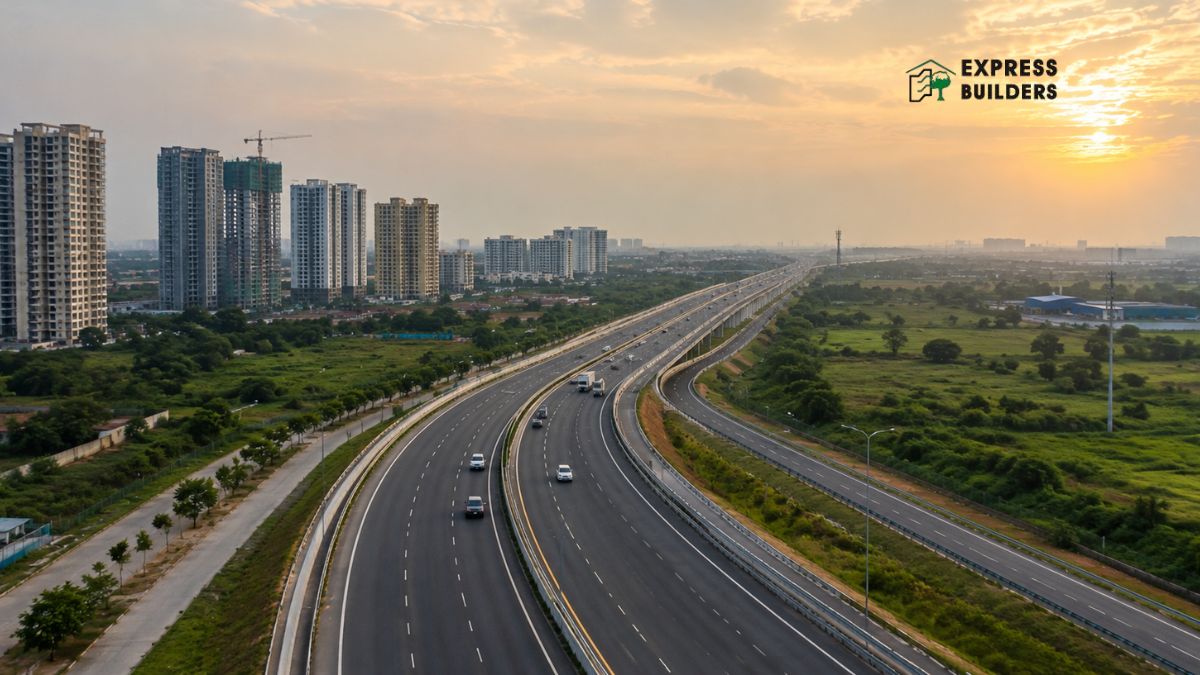
India’s infrastructure story is changing fast. New expressways are reshaping how cities grow and connect. The Delhi Katra Expressway is one of the most ambitious road projects in North India. It will link Delhi directly to Katra in Jammu & Kashmir. This project is not just about faster travel. It is about unlocking massive economic potential across the entire corridor. Delhi NCR real estate is already feeling the early signals of this transformation. Investors, homebuyers, and developers are taking notice.
What Is the Delhi Katra Expressway?
The Delhi Katra Expressway is officially called the Delhi-Amritsar-Katra Expressway. It spans approximately 669 kilometres in total length. The National Highways Authority of India (NHAI) is developing this corridor under the Bharatmala Pariyojana programme. It will connect Delhi to Amritsar and further to Katra, the gateway to the Vaishno Devi shrine. The expressway passes through major states including Haryana, Punjab, and Jammu & Kashmir. The project aims to cut travel time between Delhi and Katra from 12 hours to approximately six hours. Four lanes will be built initially, with the provision to expand to six lanes in the future.
Key Project Highlights
- Total length: approximately 669 kilometres
- Passes through Haryana, Punjab, and Jammu & Kashmir
- Estimated project cost: over Rs 35,000 crore
- Six access-controlled interchanges planned across the route
- Will serve millions of pilgrims visiting Vaishno Devi annually
- Integrated with existing expressway networks near Delhi NCR
- Boosts connectivity for industrial zones along the corridor
Why This Expressway Matters for Delhi NCR
Every major road project near Delhi changes its real estate equation. The Delhi Katra Expressway is no different. It directly improves access from North and North-West Delhi to the national highway network. Better connectivity reduces commute times and increases the liveability quotient of nearby areas. When people can travel faster and easier, demand for housing along the corridor increases. Businesses also follow infrastructure. Commercial real estate near expressway interchanges grows in value. The ripple effect hits peripheral Delhi NCR districts the hardest and fastest.
Read More: Ganga Expressway and Its Impact on Noida Real Estate
Areas in Delhi NCR That Will Benefit Most
1. Sonipat and Kundli
Sonipat sits close to the entry point of this corridor from Delhi. It is already an emerging real estate destination. The Delhi Katra expressway will boost demand for residential and industrial plots in Kundli and nearby areas. Improved connectivity to Delhi will attract both end-users and long-term investors.
2. Bahadurgarh and Jhajjar
These towns in Haryana fall within the direct influence zone of the Delhi Katra expressway. Affordable housing, warehousing, and logistics parks are expanding here rapidly. Connectivity to the expressway will make these areas even more attractive for investment.
3. Greater Faridabad and Ballabhgarh
South Delhi NCR will benefit through improved freight and personal mobility options. Industrial units and residential projects will see indirect demand uplift as connectivity improves.
4. North-West Delhi and Rohini
These dense urban pockets are closest to the Delhi entry stretch of the expressway. Property values in well-connected sectors are expected to rise steadily over the next three to five years. The improved road network will reduce traffic bottlenecks and make movement smoother for residents.
Impact on Residential Real Estate
Residential demand near expressway corridors historically rises by 15 to 25 percent after project completion. The Delhi Katra Expressway will drive demand for affordable and mid-segment housing in peripheral NCR towns. First-time homebuyers will target areas offering good road connectivity and lower ticket sizes. Plotted developments and township projects along the corridor will attract strong interest. Rental yields in these zones will also improve as more professionals choose to live near the expressway. Developers are already acquiring land parcels in anticipation of rising demand.
Impact on Commercial Real Estate
The expressway will open up new commercial corridors across Delhi NCR. Logistics and warehousing demand will spike near interchange points along the highway. Retail real estate will benefit as footfall increases due to better connectivity. Office parks and IT SEZs may gradually expand outward as commuting becomes more manageable. Industrial real estate in Haryana and Punjab towns along the route will see faster growth. The corridor will also attract hospitality investments as pilgrim and tourist traffic increases.
Land Prices Are Already Moving
Smart investors never wait for project completion. They buy land and property during the announcement phase. Several areas along the Delhi Katra Expressway corridor have already seen land prices rise 20 to 40 percent. Villages and semi-urban zones near planned interchanges are seeing active land acquisition. Investors who enter early stand to gain the most as values rise steadily toward completion. Real estate experts advise buyers to focus on RERA-registered projects near the corridor. Due diligence, legal verification, and infrastructure proximity are key factors for sound investment.
Tourism and Pilgrim Traffic Boost
Vaishno Devi attracts over 80 lakh pilgrims every year. Most of them start their journey from Delhi. The Delhi Katra Expressway will cut travel time significantly. This will increase the frequency of visits. Higher pilgrim traffic means more demand for hospitality, food, and retail services along the corridor. Towns like Pathankot and Jammu will also benefit from faster and safer road access. This tourism boom will generate long-term economic activity and support local property markets.
Logistics and Industrial Growth Along the Corridor
India is building its logistics backbone alongside its road infrastructure. This expressway is part of that vision. Multi-modal logistics parks are planned near key interchanges on the Delhi Katra Expressway. Warehousing demand in Sonipat, Bahadurgarh, and Ambala will grow as the route becomes operational. Manufacturing clusters in Punjab and Haryana will gain faster access to Delhi markets. This industrial growth will create employment and drive secondary housing demand in nearby towns.
What Homebuyers and Investors Should Do Now
This is the right time to evaluate properties along or near the Delhi Katra Expressway corridor. Look for RERA-approved projects with clear title and proper approvals. Check proximity to planned interchanges and service roads for maximum connectivity benefit. Focus on towns with existing social infrastructure like schools, hospitals, and markets. Plots and independent floors near expressway zones offer excellent medium-term capital appreciation. Work with trusted real estate professionals who understand the corridor’s growth trajectory.
The Long-Term Outlook for Delhi NCR Real Estate
Infrastructure investment always creates lasting real estate value. This expressway is a decade-long opportunity. Delhi NCR is already one of India’s most active real estate markets. New connectivity multiplies this activity. As the expressway nears completion, property demand will intensify along the entire stretch. The NCR peripheral zones will transform from dormant markets into vibrant growth corridors. Sustainable urban development, planned townships, and mixed-use projects will define the next phase. Buyers who invest in quality developments today will enjoy strong returns over the next decade.
Frequently Asked Questions
Q1. What is the total length of the Delhi Katra Expressway?
The Expressway spans approximately 669 kilometres. It connects Delhi to Katra via Amritsar. The route passes through Haryana, Punjab, and Jammu & Kashmir.
Q2. How will the Delhi Katra Expressway impact real estate prices in Delhi NCR?
The expressway will improve connectivity and reduce travel time significantly. This will boost residential and commercial demand in peripheral NCR areas. Early investors in approved projects near the corridor stand to gain strong capital appreciation.
Q3. Which areas in Delhi NCR will benefit the most from this expressway?
Sonipat, Kundli, Bahadurgarh, Jhajjar, and North-West Delhi will benefit the most. These locations are closest to the Delhi entry and interchange zones of the expressway.
Q4. Is it a good time to invest in real estate near the Delhi Katra Expressway?
Yes, this is an ideal time to invest. Property values near expressway corridors typically rise 15 to 40 percent before project completion. Early investment in RERA-approved projects offers the best return on investment potential.
Express Builder brings you premium, RERA-approved projects in Delhi NCR’s fastest-growing corridors.
Don’t miss the opportunity to invest before prices rise further. Book Your FREE Site Visit Today, explore ready-to-move and under-construction options in Delhi NCR. Our experts will guide you to the best investment opportunity. Call us now or fill out the form to schedule your site visit at zero obligation.
