
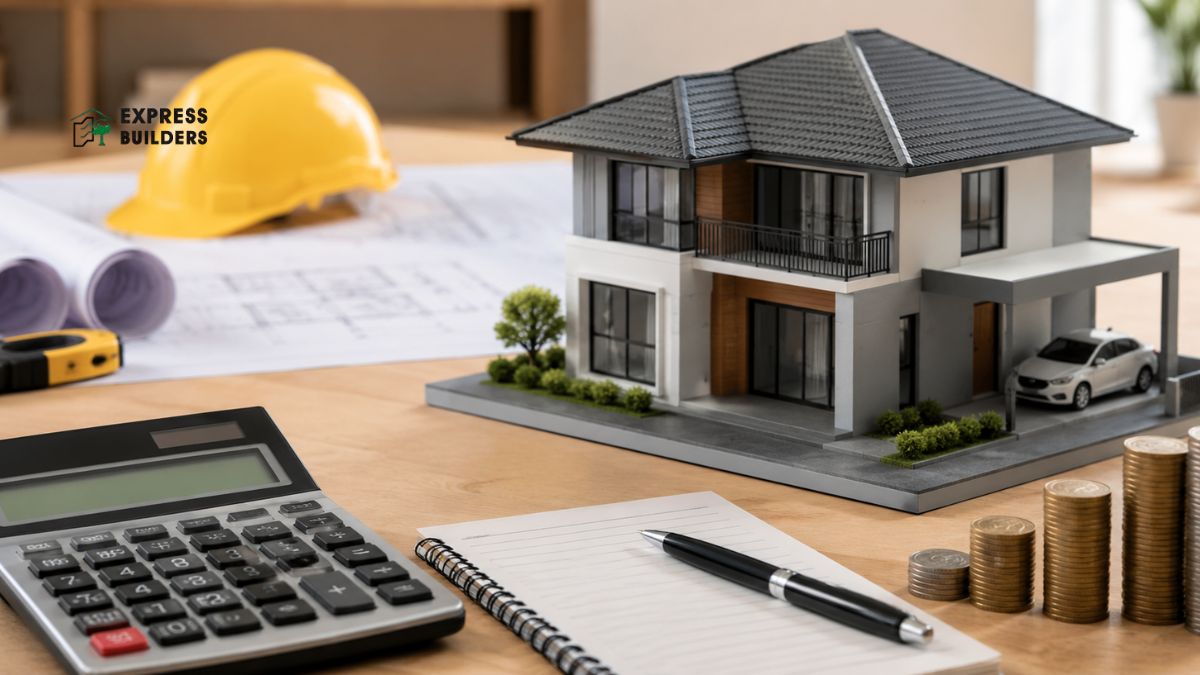
Planning to build your dream home in India? You need a solid budget before breaking ground. A cost to build a house calculator helps you estimate total construction expenses. It gives you a clear picture before you spend a single rupee. Builders, architects, and homeowners widely use this tool today. In 2026, construction costs in India continue to rise steadily. Knowing how to use this calculator can save you from major financial surprises.
What Is a Cost to Build a House Calculator?
A cost to build a house calculator is a digital estimation tool. It helps you calculate approximate construction costs based on specific inputs. You enter details like plot area, number of floors, and finish quality. The calculator then generates a total estimated budget. Most calculators factor in material costs, labour charges, and overhead expenses. Some advanced tools also include interior finishing and landscaping costs. This tool helps you plan your finances before approaching a bank or builder.
Why Every Homeowner Needs This Calculator
Building a house involves dozens of cost components. Missing even one can derail your entire budget. A cost to build a house calculator organises all these components in one place. It helps you compare construction quality options and their price differences. You can adjust inputs and instantly see how the budget changes. This flexibility helps you make smarter financial decisions early. It also sets realistic expectations with your architect and contractor.
Key Inputs in a Cost to Build a House Calculator
Most reliable calculators ask for the following details.
- Plot Area (in square feet or square metres) This is the total area of your land. Your built-up area depends on the permissible Floor Space Index in your location. Higher FSI allows more floors and increases the overall project cost.
- Number of Floors A single-storey house costs less than a double or triple-storey structure. Each additional floor adds structural, electrical, and finishing costs. Most urban homes in India today prefer two to three floors.
- Construction Quality Grade Most calculators offer three tiers: economy, standard, and premium. Economy grade uses basic materials and simple finishes. Standard grade includes better flooring, fittings, and paint quality. Premium grade covers high-end materials, imported tiles, and smart-home features.
- Location Construction costs vary significantly across Indian cities and towns. Metros like Delhi, Mumbai, and Bengaluru carry higher labour and material costs. Tier-2 and Tier-3 cities generally offer lower per sq ft rates.
Current Average Construction Costs in India
As of June 2026, average construction costs in India fall in these broad ranges:
- Economy Grade: Rs. 1,600 to Rs. 1,900 per sq ft
- Standard Grade: Rs. 2,000 to Rs. 2,800 per sq ft
- Premium Grade: Rs. 3,000 to Rs. 5,000 per sq ft
These figures include civil work, basic electrical, plumbing, and standard finishing. They do not include land cost, registration charges, or interior design. Costs in metros can exceed these figures by 20 to 30 percent. Always cross-check rates with local contractors before finalising your budget.
How Construction Costs Break Down
A reliable cost to build a house calculator splits your budget across major heads. Here is how a typical standard-grade construction project breaks down.
- Civil and Structural Work: 40 to 45 percent This includes foundation, columns, beams, slabs, brickwork, and plastering. It forms the largest single cost head in any construction project.
- Flooring and Tiling: 8 to 12 percent Ceramic and vitrified tiles remain the most popular choices in India. Natural stone and imported marble can push this percentage significantly higher.
- Electrical Work: 8 to 10 percent This covers wiring, switches, distribution boards, and light fixtures. Smart home wiring adds to this cost in premium-grade projects.
- Plumbing and Sanitary: 7 to 9 percent Good-quality plumbing avoids expensive repairs in later years. This head includes pipes, sanitary fixtures, and overhead water tanks.
- Doors, Windows, and Grills: 8 to 10 percent UPVC windows and flush doors are the most common choices today. Wooden frames cost more but add considerable aesthetic value.
- Painting and Finishing: 5 to 8 percent Exterior-grade paint is essential for durability in Indian weather conditions. Interior texture finishes and POP ceilings also fall under this category.
- Miscellaneous and Contingency: 5 to 8 percent Always keep a buffer for unexpected cost escalations. Material price fluctuations can affect your budget at any stage of construction.
Factors That Affect Your Construction Cost
Even with a calculator, certain factors can push your actual cost higher or lower.
- Material Prices Steel, cement, sand, and bricks are your biggest material expenses. Their prices fluctuate with market conditions and government policies. In 2026, steel prices in India have stabilised but remain elevated compared to 2023. Always lock in material prices with your contractor before construction begins.
- Labour Availability Skilled labour shortages in specific regions drive up construction costs considerably. Masons, electricians, and plumbers command higher wages in metro cities. Hiring a reliable contractor often reduces wage disputes and project delays.
- Soil and Site Conditions Rocky or waterlogged soil increases foundation costs significantly. Your structural engineer must assess the soil type before you finalise any budget. This is one area where the calculator cannot provide exact figures.
- Seasonal Factors Construction during monsoon months slows down and can increase overall costs. Planning your construction schedule around monsoons saves both time and money.
- Design Complexity Curved walls, cantilever structures, and unusual roof shapes cost more to build. A simple, box-type floor plan is always more economical and easier to maintain.
How to Use a Cost to Build a House Calculator Effectively
Follow these steps to get the most accurate estimate from any calculator.
Step 1: Enter your plot area and the total built-up area you want.
Step 2: Select the number of floors you plan to construct.
Step 3: Choose your preferred construction quality grade.
Step 4: Enter your city or region for location-based cost adjustments.
Step 5: Review the itemised breakdown the calculator generates carefully.
Step 6: Add at least 10 percent as a contingency buffer to the final total.
Step 7: Share the estimate with at least two or three local contractors.
Getting multiple contractor quotes helps you validate the calculator’s estimate. Never finalise a contractor based on the lowest quote alone.
Common Mistakes to Avoid When Budgeting for Construction
Many homeowners make these costly errors when planning their construction budget.
- Underestimating finishing costs is a very common mistake. People budget well for civil work but forget tiles, fixtures, and paint. Interior design and furnishing costs often double the base construction budget.
- Not accounting for GST is another frequent oversight. GST on construction materials and contractor services adds to the final cost. Always ask your contractor for a GST-inclusive quotation upfront.
- Ignoring approvals and permissions also proves costly later. Building plan sanctions, completion certificates, and water connection fees add to total project expenses. Budget for these from the very beginning of your planning.
- Skipping a soil test can lead to major cost overruns during construction. Knowing your soil type upfront prevents expensive foundation redesigns midway through the project.
Role of Technology in Construction Cost Estimation
AI-powered cost to build a house calculators have become significantly more accurate in 2026. They now factor in hyperlocal material prices and seasonal labour rates. Some tools integrate directly with government rate schedules for specific Indian states. BIM (Building Information Modelling) software helps architects estimate costs in real time. These tools together give homeowners a more reliable and transparent estimate than ever before.
Final Words
A cost to build a house calculator is your first step toward a stress-free construction journey. It helps you plan, compare, and budget with confidence and clarity. Use it alongside expert advice from your architect and contractor. Always verify calculator estimates against current local market rates. Proper planning today prevents costly budget crises during construction.
Ready to turn your blueprint into reality? Express Builder brings trusted expertise and complete transparency to every residential project. Our team guides you from budget planning to final handover. Book a site visit today and take your first step toward your dream home. Visit us at expressbuilder.in to schedule your appointment now.
FAQs
Q1. What is a cost to build a house calculator?
A cost to build a house calculator is a digital tool that estimates total construction expenses. You input details like plot area, number of floors, location, and finish quality. The tool then generates an approximate budget split across major construction heads. It helps homeowners plan finances before approaching a contractor or a bank.
Q2. What is the average cost to build a house in India in 2026?
As of June 2026, economy-grade construction costs between Rs. 1,600 and Rs. 1,900 per sq ft. Standard-grade construction ranges from Rs. 2,000 to Rs. 2,800 per sq ft. Premium-grade construction can cost Rs. 3,000 to Rs. 5,000 per sq ft or more. These figures exclude land cost, registration fees, and interior design expenses.
Q3. What factors affect house construction cost the most?
Material prices, labour availability, soil conditions, and location have the biggest impact on construction costs. Design complexity, number of floors, and quality of finishes also play a major role. Seasonal delays during monsoon months can add indirect costs as well. Always include a 10 percent contingency buffer in your budget to cover unexpected expenses.
Q4. Is a cost to build a house calculator accurate?
A cost to build a house calculator gives a reliable estimate but not an exact figure. Actual costs depend on hyperlocal material prices, contractor rates, and site-specific conditions. Use the calculator as a starting point and validate the estimate with two or three local contractors. Add a contingency margin of at least 10 percent to the calculator output for a realistic budget.
