
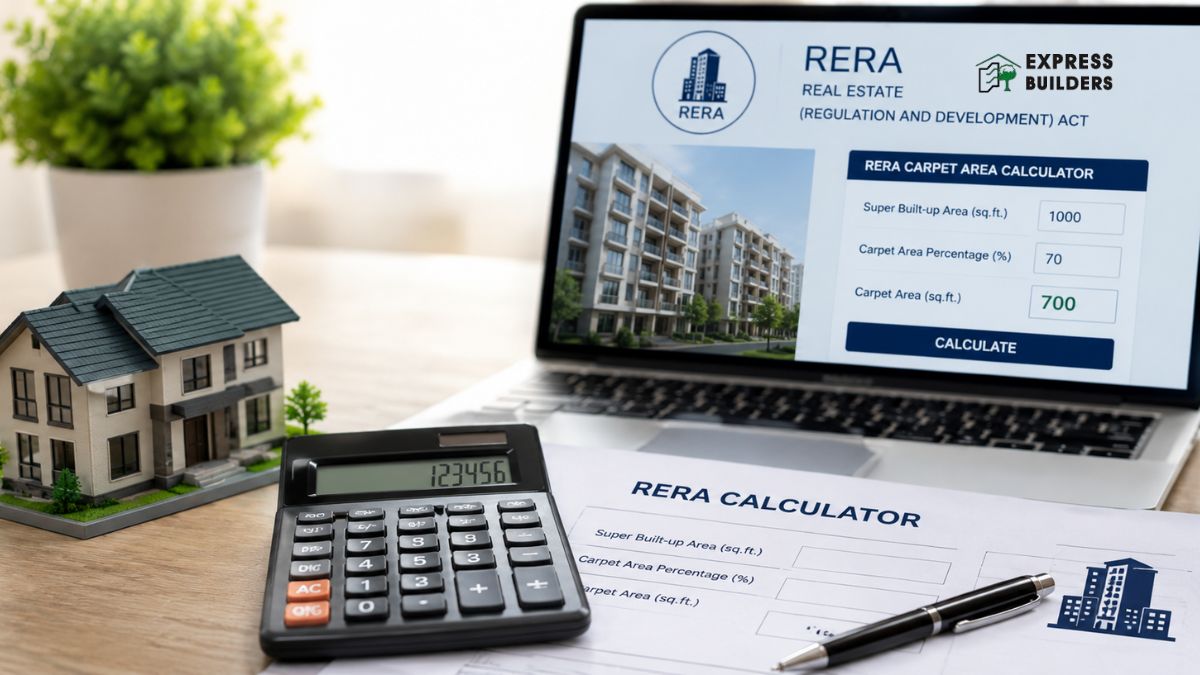
Buying a home is one of the biggest investments you will ever make. Most buyers focus on the price per square foot and location. But very few people understand the actual space they are paying for. This is where a carpet area calculator becomes a powerful tool. It gives you the exact usable floor space within a flat. Developers often advertise properties using super built-up area figures. These numbers can be significantly higher than the actual living space. A carpet area calculator helps you cut through this confusion. You simply input a few measurements and get the true usable area.
This guide explains everything about carpet area and why it matters. You will also learn how to use the carpet area calculator to compare properties. By the end, you will buy your home with complete confidence.
What Is Carpet Area?
Carpet area is the net usable floor area inside your home. It is the area where you can physically lay a carpet. This space includes all your bedrooms, the living room, kitchen, bathrooms, and toilets. It also includes the area covered by internal partition walls. However, carpet area does not include balconies, terraces, or open verandahs. It also excludes the thickness of external walls.
The Real Estate (Regulation and Development) Act, commonly known as RERA, defines carpet area precisely. According to RERA, carpet area means the net usable floor area of an apartment or flat. It excludes areas covered by external walls, service shafts, verandahs, and balconies.
Before RERA came into effect, developers used different measuring standards. Buyers often paid for common spaces like lobbies and staircases. This led to significant confusion and disputes. RERA standardized carpet area as the official unit for all residential property transactions. Today, every developer must disclose the carpet area in all sale agreements. Always ask for the carpet area before you sign any document.
What Is a Carpet Area Calculator?
A carpet area calculator is a simple digital tool for property buyers. You use it to find the actual usable area of a flat. You enter details like super built-up area or built-up area. The calculator applies a standard percentage formula to compute the carpet area.
For most urban residential projects in India, carpet area is approximately 70 percent of super built-up area. However, this ratio varies across different builders and projects. Some premium projects offer a carpet-to-super built-up ratio as high as 80 percent. A higher ratio means more living space for the same price.
The calculator helps you quickly compare multiple properties on an equal footing. You can identify which project gives you better value per square foot. No technical expertise is required to use the tool. You only need the area figures shared by the developer. Always match the calculator output with the RERA-registered carpet area. This verification ensures you get the space you are paying for.
Understanding the Three Types of Property Area
Real estate in India measures property in three different ways. Each type includes a different set of spaces. Understanding all three types is essential before using a carpet area calculator.
Carpet Area
Carpet area is the actual net usable space inside your flat. It covers all rooms, internal walls, kitchen, and bathrooms. It excludes balconies and external wall thickness. This is the space you live in and use every single day.
Built-up Area
Built-up area is slightly larger than carpet area. It includes carpet area plus the thickness of external and internal walls. It sometimes includes the balcony area as well. Built-up area is generally 10 to 15 percent more than carpet area.
Super Built-up Area
Super built-up area is the largest of the three measurements. It includes built-up area plus your proportionate share of common areas. Common areas include lobbies, corridors, lifts, staircases, and amenity spaces. Developers use this figure most often in advertisements and brochures. Super built-up area is usually 25 to 30 percent more than carpet area.
Always convert super built-up area to carpet area before you compare two properties. Use a carpet area calculator to perform this conversion in seconds. The difference between super built-up area and carpet area can be substantial. Knowing this difference saves you from overpaying.
How to Use a Carpet Area Calculator
Using a carpet area calculator is a quick and straightforward process. Follow these steps to get accurate results.
- Step 1: Gather the Area Details Collect the super built-up area or built-up area of the flat. Ask the developer to share these figures officially. You can also find them on the project brochure or the RERA portal.
- Step 2: Enter the Area Value Open the carpet area calculator on a trusted website. Enter the super built-up area value in the input box. Select the appropriate unit, either square feet or square meters.
- Step 3: Apply the Loading Factor The loading factor is the extra percentage added beyond carpet area. It accounts for common spaces and wall thickness. Typical loading factors in India range from 20 to 30 percent. The calculator uses this factor to compute the carpet area automatically.
- Step 4: Compare the Output The calculator displays the estimated carpet area. Compare this number with the RERA-registered carpet area of the project. A significant difference between the two signals a high loading factor. This means you pay for more common area than actual living space. A lower loading factor indicates better value for money. Use this comparison to negotiate or shortlist properties more effectively.
Why Carpet Area Matters for Home Buyers
Carpet area directly impacts your daily life inside the home. A flat with a larger carpet area gives you more room to live comfortably. The price per square foot of carpet area reveals the true cost of a flat.
Two flats may have the same super built-up area but very different carpet areas. The flat with a higher carpet area offers better value at the same price. Interior designers use carpet area to plan furniture placement and room layouts. A smaller carpet area limits your options for furnishing the home.
Banks and financial institutions also consider carpet area while approving home loans. Some lenders tie the loan-to-value ratio directly to the carpet area of the property. Resale value of a flat also depends on its carpet area. Buyers in the secondary market almost always ask for the carpet area first. Knowing the carpet area protects you at every stage of the buying process. Always prioritize carpet area when you evaluate any residential property.
RERA and Carpet Area: What Every Buyer Must Know
RERA changed the way developers sell and advertise homes in India. Before RERA, developers used super built-up area as the primary selling metric. This practice inflated the apparent size of properties. Buyers paid higher prices without getting the expected living space.
RERA made it mandatory for developers to quote prices only on carpet area. Every registered project on the RERA portal displays the carpet area of each flat type. Buyers can now directly compare the quoted price against the actual usable space.
RERA also mandates that developers compensate buyers if the delivered carpet area falls short. If the final carpet area falls short by over three percent, buyers can seek a full refund. This rule makes carpet area a legally protected measurement in all property transactions.
Always verify the carpet area on the state RERA portal before you book a flat. Cross-check this figure with the carpet area calculator output. RERA registration gives you legal protection and complete transparency.
Common Mistakes Buyers Make with Carpet Area
Many buyers make costly errors when they overlook carpet area. Here are the most common mistakes and how you can avoid them.
- Relying Only on Super Built-up Area: Developers often highlight super built-up area in advertisements. Always convert this figure to carpet area before you make any decision.
- Skipping RERA Verification: Some buyers ignore the RERA portal entirely. Always verify the carpet area on the official RERA website for your state.
- Not Comparing Loading Factors: Two flats may look similar in size on paper. But one may carry a much higher loading factor. Always compare loading factors across projects you shortlist.
- Ignoring Carpet Area Clauses in Agreements: Some buyers sign agreements without checking carpet area details. Read all carpet area-related clauses carefully before you sign any document.
- Assuming Balconies Add to Carpet Area: RERA excludes balconies from carpet area calculations. Do not assume your balcony adds to the usable carpet area of the flat.
Tips to Get Maximum Value Using a Carpet Area Calculator
A carpet area calculator gives you the most value when you use it strategically. Here are a few practical tips for smart home buyers.
Always compare carpet area figures and not super built-up area across projects. Calculate the price per square foot of carpet area for every property you shortlist. A lower price per carpet area square foot means better value for money. Verify the loading factor of each project before you make a decision. Projects with a loading factor below 25 percent generally offer better value. Match the calculator output against the official RERA-registered carpet area. If the figures differ significantly, ask the developer for a detailed area breakup. Use the calculator data during price negotiations to support your position. Factual numbers always give you stronger ground when you discuss price.
Conclusion
A carpet area calculator is not just a digital tool. It is your first step toward making a smarter home buying decision. You now understand the difference between carpet area, built-up area, and super built-up area. You know how RERA protects your rights as a buyer. You can use the calculator to compare properties and negotiate better deals. Always verify the carpet area before you finalize any property. Make data-driven decisions and never rely on advertised figures alone. A well-informed buyer always gets more value for their investment. Start using the carpet area calculator today and take control of your home search.
Frequently Asked Questions
Q1. What is the difference between carpet area and super built-up area?
Carpet area is the net usable floor space inside your flat. Super built-up area includes carpet area, external walls, and your share of common spaces. Common spaces include lobbies, lifts, and corridors. Super built-up area is typically 25 to 30 percent more than carpet area. Always use a carpet area calculator to convert super built-up area into actual usable space before you compare properties.
Q2. How does a carpet area calculator work?
A carpet area calculator uses a simple percentage-based formula. You enter the super built-up area or built-up area of the flat. The tool applies the loading factor, which is the extra percentage beyond carpet area. It then returns the estimated carpet area of the property. Most calculators apply a loading factor between 20 and 30 percent for urban residential projects.
Q3. Is carpet area the same for all flats in a project?
No, carpet area can differ from flat to flat within the same project. The floor level, flat position, and configuration all affect the carpet area. Corner flats may have more external wall area, which reduces the usable carpet space. Always check the RERA-registered carpet area for the specific unit you plan to purchase.
Q4. Does RERA protect buyers if the actual carpet area is less than promised?
Yes, RERA provides strong protection on carpet area discrepancies. Developers must register all projects and disclose carpet area details. If the delivered carpet area falls short by over three percent, buyers can seek a full refund. This legal protection makes carpet area one of the most important metrics in any property transaction.
Why Express Builder Should Be Your Choice
At Express Builder, we believe every buyer deserves complete transparency. Our properties come with RERA-registered carpet areas clearly disclosed. Visit our website to explore our residential projects. Book a site visit and experience the actual space in person. Our team is ready to guide you every step of the way.
