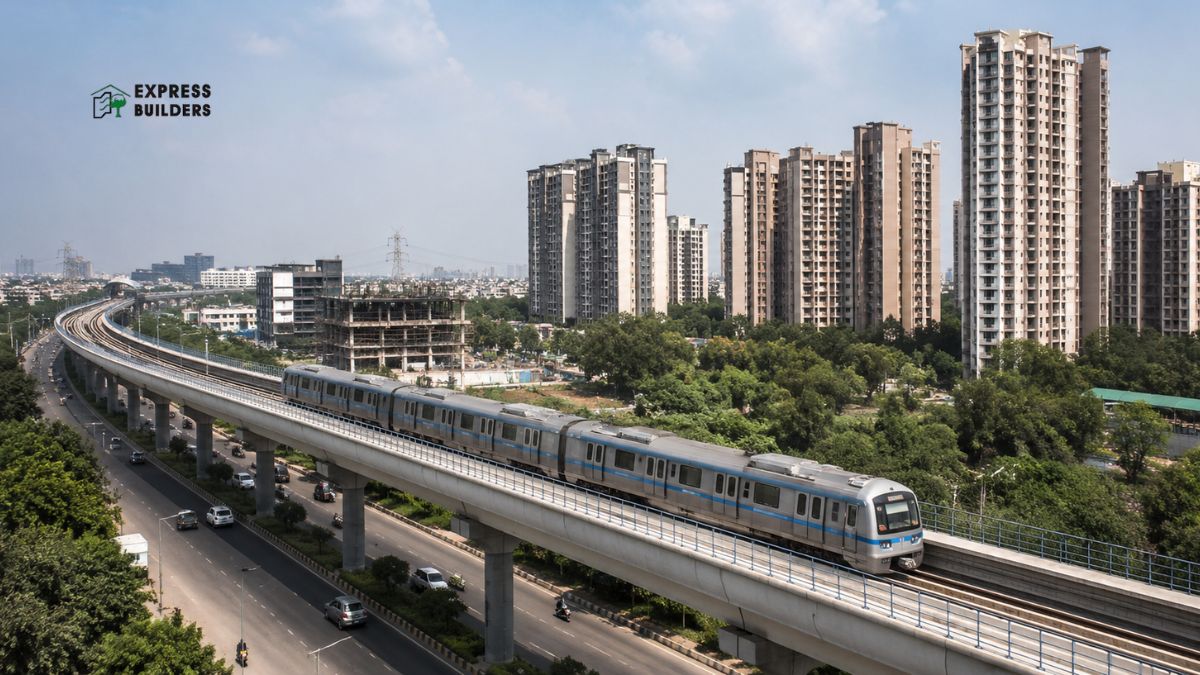
Uttar Pradesh is about to add another big piece to its expressway puzzle. A new link expressway will connect Etawah to Hardoi, joining four major corridors along the way. Once this road is ready, the state’s expressway grid will look far more connected than it does today.
This project has been in discussion for a while. Now it has moved from planning to action. The state cabinet has cleared the proposal, and land acquisition work has already begun. For commuters, farmers, and businesses across central Uttar Pradesh, this is welcome news.
What Makes This Link Expressway Important
Right now, Uttar Pradesh has several expressways running in different directions. They serve their own regions well, but they don’t always connect smoothly with each other. A traveller moving from one expressway to another often has to use regular highways or local roads in between. That adds time, fuel cost, and wear on vehicles.
The new link expressway solves this gap. It will start near Etawah, at the point where the Agra-Lucknow Expressway meets the Bundelkhand Expressway. From there, it will run for close to 91 kilometres before ending near Hardoi, where it joins the Ganga Expressway.
In effect, this one stretch of road ties together four expressways: Agra-Lucknow, Bundelkhand, Ganga, and indirectly, Yamuna. That kind of linkage doesn’t happen often. It turns separate highway projects into one connected network, which is exactly what a growing state needs.
Route and Engineering Details
The expressway will be built as a six-lane road, with room to expand to eight lanes later. Planners chose this approach because traffic on these corridors is expected to grow steadily over the next decade. Building extra capacity now saves the cost of rebuilding later.
The project will follow the Engineering, Procurement and Construction model. Under this model, the contractor handles design, construction, and a maintenance period after completion. Officials have set a construction timeline of 548 days, with a five-year maintenance commitment built into the contract. That should keep the road in good condition well after it opens to traffic.
Three river bridges form a key part of the construction plan. The road will cross the Gambhiri, Ramganga, and Ganga rivers. Bridge work usually takes longer than flat-stretch construction, so these crossings will need careful scheduling and skilled engineering teams.
Districts and Towns That Will Benefit
The expressway’s path runs through several districts in central and western Uttar Pradesh. Etawah, Kannauj, Mainpuri, Farrukhabad and Hardoi sit directly along the route. Around 35 villages fall close enough to the alignment to feel a direct impact from construction and, later, from improved access.
People travelling further out will also gain. Residents of Shahjahanpur, Sitapur, and Lakhimpur Kheri will find it easier to reach Bundelkhand and the Agra-Lucknow stretch. Even areas near the Nepal border stand to gain shorter travel times to southern and western parts of the state.
Farrukhabad deserves a special mention here. The town sits just a few kilometres from the planned route. It is also home to Sankisa, a pilgrimage site respected by both Buddhist and Jain communities. Better road access could bring more visitors to this historic spot, alongside the usual gains in trade and travel.
Why This Matters for Travel Time
Today, someone travelling between the Agra-Lucknow Expressway and the Ganga Expressway has to rely on state highways and local roads for a large part of the journey. These roads pass through towns, market areas, and traffic signals. Each stop adds minutes, and minutes add up over a long trip.
With the new link road in place, that journey shortens considerably. Vehicles can move from one expressway straight onto another, without dropping down to slower local routes. For freight operators moving goods between eastern and western Uttar Pradesh, this means more deliveries per day and lower fuel costs per trip.
Daily commuters benefit too. Government employees, students, and traders who travel between these districts regularly will save hours over a week. That time adds up to real value, whether it’s spent at work, at home, or growing a small business.
The Bigger Picture: A Connected Expressway Grid
This project isn’t an isolated road. It’s one link in a much larger plan to connect every major expressway across Uttar Pradesh into a single grid. The Ganga Expressway, once fully open, will be one of the longest in the country. Linking it to the Agra-Lucknow Expressway through this new stretch brings two of the state’s biggest infrastructure projects under one network.
Officials have also pointed to the Chitrakoot Expressway as a future connection point. Once that link is in place, travellers will be able to move from the Bundelkhand region all the way to the Ganga Expressway corridor without breaking onto smaller roads at any stage.
This kind of grid thinking changes how a state grows. Instead of isolated highway projects, Uttar Pradesh is building a network where every new expressway adds value to the ones already built. Each new link multiplies the benefit of the roads that came before it.
What This Means for Local Communities
Big infrastructure projects bring change beyond just faster travel. New expressways tend to draw warehouses, logistics parks, and small industries to nearby towns. Land near interchange points often sees fresh interest from businesses looking to set up shop close to good connectivity.
Farmers in this belt also stand to gain. Faster road access means agricultural produce reaches markets and processing units quicker, with less spoilage along the way. For a region with strong farming activity, that’s a meaningful improvement.
River bridges built for the expressway will also serve nearby villages that currently depend on longer detours to cross the Gambhiri, Ramganga, and Ganga rivers. Better local access, even as a side effect of a bigger project, makes daily life easier for thousands of people.
Looking Ahead
Construction on this link expressway is expected to move quickly once land acquisition wraps up. With a defined timeline and a clear engineering plan, the project looks set to stay on schedule. Once complete, it will reshape how people and goods move across central Uttar Pradesh.
For a state that has added several expressways over the past decade, this project marks a shift in approach. The focus has moved from building roads in isolation to building a connected system. That shift could matter more, in the long run, than any single expressway on its own.
Planning to invest in land or property near this upcoming expressway corridor? Now is the time to explore opportunities before prices catch up with the connectivity boom. Stay updated on infrastructure developments across Uttar Pradesh and connect with us if you are planning to invest in the next big project before it changes the map.
Frequently asked Questions:
What is the new expressway in Etawah?
The newest major expressway project linked to Etawah is the Etawah-Hardoi Link Expressway, a proposed 90-km greenfield corridor connecting the Agra-Lucknow Expressway near Etawah with the Ganga Expressway in Hardoi via Farrukhabad. It was approved by the Uttar Pradesh Cabinet to improve statewide connectivity.
Which is the best expressway in UP?
The Purvanchal Expressway is widely considered the best expressway in Uttar Pradesh due to its excellent road quality, smooth driving experience, modern infrastructure and dedicated emergency airstrip. For NCR connectivity, the Agra-Lucknow Expressway remains one of the state’s most important and busiest expressways.