
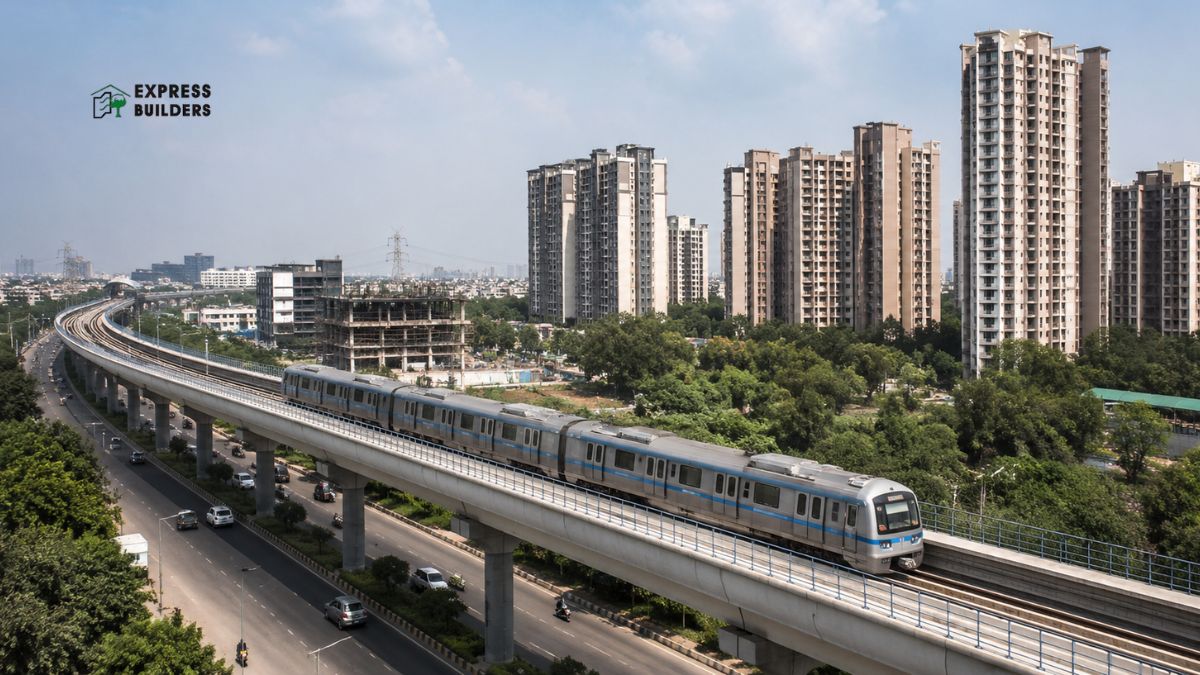
Faridabad is emerging as a major growth hub in Haryana. The city is witnessing rapid infrastructure upgrades. New roads, metro links, and smart city projects are reshaping its urban landscape. Investors and homebuyers are watching this transformation closely.
This growth story is not sudden. It builds on years of planned investment. Faridabad already enjoys strong industrial roots. It now adds modern connectivity and smart urban planning to that base.
Location also works in Faridabad’s favour within the NCR. The city sits close to Delhi and Gurugram both. This proximity keeps it relevant for jobs and business.
Affordable land compared to nearby cities draws steady buyer attention. Many families look for similar lifestyle benefits at lower cost. Faridabad offers exactly this balance for many buyers today.
Read More: Etawah Link Expressway
The Elevated Road Advantage
An elevated road network is transforming daily commutes in Faridabad. Elevated corridors reduce traffic bottlenecks at busy intersections. They allow faster movement across congested stretches. Commuters save valuable time during peak hours.
The project connects key industrial and residential zones. It eases pressure on existing ground-level roads. Trucks and heavy vehicles get dedicated elevated lanes. This separation improves safety for regular commuters.
Local authorities have prioritized this corridor for years. Construction has moved through multiple phases. Officials expect full completion within a defined timeline. Once ready, it will change how residents travel daily.
Elevated roads also boost real estate value nearby. Properties near major transit corridors see steady appreciation. Better road access always draws stronger buyer interest. Developers plan new residential projects along these routes.
Metro Connectivity Widens the City’s Reach
Metro connectivity is expanding steadily across Faridabad. Existing metro corridors already link the city to Delhi. New proposed extensions aim to connect neighboring cities too.
A metro link between Faridabad and Gurugram has been studied. Detailed project reports for this corridor exist. Once approved, it will connect two major NCR employment hubs. Commuters will travel between these cities without road congestion.
Another proposed extension aims to connect Faridabad with Palwal. This link would extend the existing metro network southward. It would open new residential corridors for future development. Palwal’s affordable land prices already attract long-term investors.
Metro expansion changes commuting patterns permanently. People choose homes based on metro access today. A well-connected home saves commute time every single day. This convenience adds long-term value to residential investments.
Expressways Strengthen Regional Access
Faridabad benefits from multiple expressway projects nearby. These expressways connect the city to Delhi and Noida directly. They also link Faridabad to upcoming regional infrastructure like the Jewar airport.
One major expressway spur connects Faridabad toward the airport zone. This link shortens travel time for air travelers significantly. Businesses value quick airport access for logistics and travel needs.
Another planned expressway will connect Faridabad with Noida and Ghaziabad. This corridor passes through developing residential sectors. It opens fresh opportunities for homebuyers seeking better connectivity. Businesses also gain easier access to new markets.
These expressways reduce dependency on congested city roads. Commuters get faster, more predictable travel times. Logistics companies benefit from reduced transportation costs. This efficiency supports both residential and commercial growth.
Smart City Projects Reshape Urban Infrastructure
Faridabad’s smart city status brings focused urban upgrades. Multiple projects target better roads, water supply, and public spaces. These upgrades improve daily life for residents across sectors.
Smart city funds support several ongoing infrastructure projects. Officials have completed many projects under this mission already. Remaining projects continue moving toward completion steadily.
The municipal corporation has also approved a large annual budget. This budget focuses on roads, water supply, and waste management. Better civic infrastructure directly improves residents’ quality of life.
Smart city upgrades also support sustainable urban growth. Officials promote eco-friendly mobility and green public spaces. Reduced congestion improves air quality across the city. These changes make Faridabad more livable for families.
Social Infrastructure Keeps Pace with Growth
Faridabad is not just building roads and metro lines. Schools, hospitals, and commercial spaces are also expanding rapidly. This balanced growth supports long-term livability for residents.
Several reputed schools already operate across different Faridabad sectors. New residential zones are attracting more educational institutions steadily. Parents value proximity to good schools when choosing a home.
Healthcare infrastructure has also strengthened over recent years. Multiple hospitals and medical colleges now serve the region. Residents get quality healthcare access without traveling far.
Retail and commercial spaces are growing alongside residential sectors. Shopping complexes and office spaces are opening across newer areas. This mix creates convenient, self-sufficient neighborhoods for families.
Green spaces and parks are also part of city planning. Officials aim to balance urban density with open, breathable spaces. This approach supports healthier daily living for residents.
Industrial Strength Adds a Unique Advantage
Faridabad has long been known as an industrial powerhouse. Manufacturing units across sectors generate steady employment opportunities locally. This industrial base sets Faridabad apart from many other NCR cities.
Many residents work within the city itself, reducing commute needs. This local employment base supports steady housing demand nearby. Workers prefer homes close to their workplaces whenever possible.
Small and medium enterprises also thrive across Faridabad’s industrial belt. These businesses contribute significantly to the region’s economic output. A strong local economy supports stable property demand over time.
New infrastructure projects further strengthen this industrial ecosystem. Better roads help businesses move goods more efficiently. Improved logistics support faster growth for local industries.
This combination of jobs and infrastructure attracts new residents. People move to cities offering both employment and connectivity. Faridabad increasingly satisfies both these important requirements.
Comparing Faridabad’s Growth Trajectory
Many NCR satellite cities have followed a similar growth pattern. Early infrastructure investment often precedes major real estate appreciation. Faridabad appears to be following this familiar trajectory now.
Cities with strong metro and expressway access typically see faster growth. Early investors in such cities often gain significant advantages. Faridabad’s current infrastructure push mirrors these earlier growth stories.
However, every city’s growth timeline differs based on local factors. Government execution speed and funding availability shape actual outcomes. Faridabad’s progress depends on continued policy support and execution.
Buyers should track project timelines rather than relying on speculation. Infrastructure completion dates directly influence realistic price appreciation. Patience and research matter more than quick decisions here.
Water Supply and Environmental Upgrades
Faridabad’s growth story also depends on strong civic basics. Water supply and sewage systems need constant upgrades. Officials have prioritized these systems alongside roads and metro projects.
Several water supply schemes now target underserved sectors. New pipelines aim to reduce dependency on groundwater sources. This shift supports more sustainable water use across the city.
Sewage treatment capacity has also expanded in recent years. New treatment plants process wastewater before it reaches natural water bodies. This reduces pollution levels in nearby rivers and drains.
The Yamuna floodplain runs along Faridabad’s eastern boundary. Authorities have taken steps to protect this sensitive zone. Better flood management reduces risks for nearby residential areas.
Waste management systems are also seeing steady improvement. Door-to-door collection now covers more residential sectors. Segregation and recycling facilities support cleaner neighborhoods overall.
Air quality remains a key focus area for planners. Reduced vehicle congestion from new roads helps lower pollution levels. Green cover expansion further supports healthier air across the city.
Officials have also introduced tree plantation drives in several sectors. These drives target open spaces near residential and industrial zones. Greener surroundings improve daily life for local families.
Stormwater drainage systems are being upgraded in older sectors. Better drainage reduces waterlogging during monsoon months significantly. This improvement protects roads and properties from seasonal damage.
Public parks and open spaces are also expanding steadily. New parks appear alongside residential developments in growing sectors. These spaces offer recreation options for families and children.
Environmental upgrades may seem separate from real estate growth. However, they directly affect long-term livability and property value. Buyers increasingly consider civic infrastructure before choosing a home.
Cities with reliable water and waste systems attract more residents. This demand supports steady property appreciation over time. Faridabad’s civic upgrades add another layer of long-term value.
Environmental planning also supports commercial and industrial expansion. Businesses prefer locations with dependable utilities and clean surroundings. This preference strengthens Faridabad’s appeal for new investment.
As these projects mature, daily life should improve noticeably. Residents will notice cleaner streets and better water access. These changes build confidence in the city’s long-term direction.
Read More: Delhi Dehradun Expressway: 210 KM Route, 2.5-Hour Travel Time & Key Details Explained
Price Trends and Future Appreciation Potential
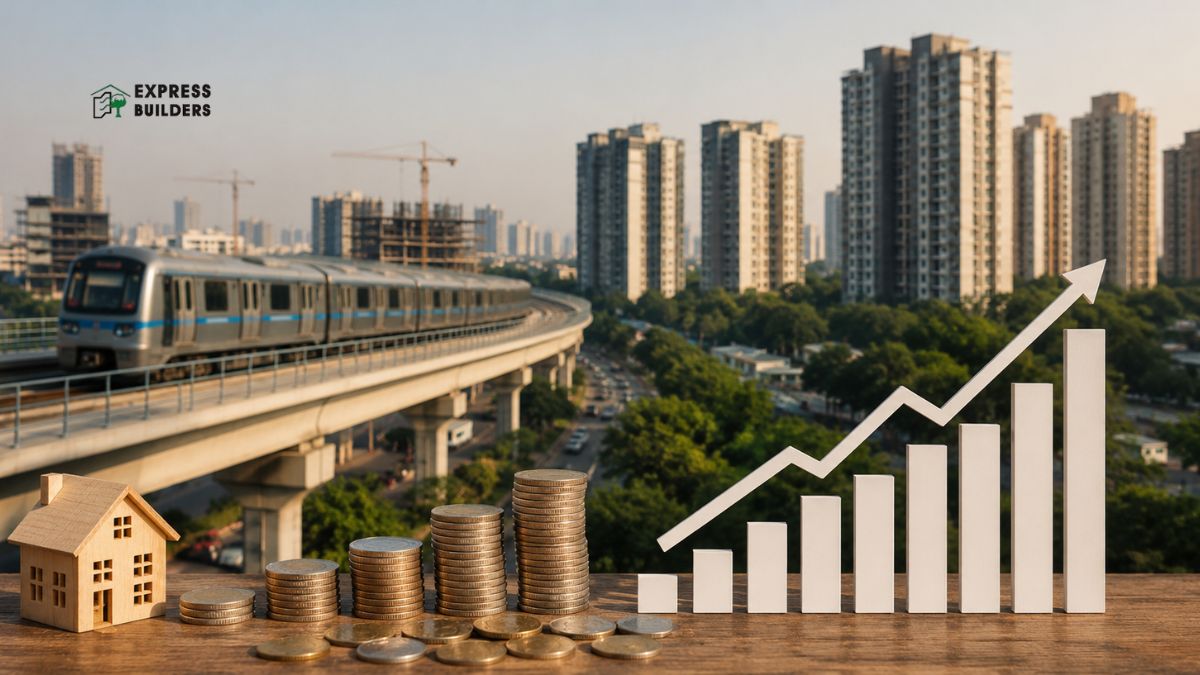
Real estate prices in Faridabad have shown steady movement. Infrastructure announcements often trigger renewed buyer interest in specific sectors. Understanding these patterns helps buyers time their decisions better. Areas near completed metro stations already show stronger price trends. Buyers pay a premium for proven, reliable connectivity today. This pattern typically continues as new stations become operational. Sectors along the upcoming Faridabad-Gurugram metro corridor deserve attention. Prices in such areas often rise before actual construction begins. Early buyers frequently benefit from this anticipatory price movement. Similarly, areas near new expressways see gradual price appreciation. Improved access reduces travel time to major employment hubs. This convenience translates directly into stronger buyer demand. Comparing Faridabad with pricier NCR cities reveals a clear gap. Similar connectivity benefits come at a comparatively lower entry cost. This gap continues attracting budget-conscious buyers and investors alike.
Rental yields in well-connected Faridabad sectors remain fairly attractive. Professionals working nearby prefer renting close to their workplaces. This steady rental demand supports predictable returns for property owners. Long-term investors often look beyond short-term price movements. They focus on infrastructure completion and broader city development. Faridabad’s ongoing projects offer several such long-term growth signals. Market cycles naturally involve periods of slower price movement. Buyers should avoid expecting constant, uninterrupted appreciation everywhere. Realistic expectations lead to better long-term investment outcomes. Location within Faridabad still matters significantly for price potential. Sectors closer to major corridors typically outperform interior locations. Careful sector selection remains essential for maximizing returns. Documentation and legal clarity also influence long-term property value. Buyers should verify land records and approvals before purchasing. Proper due diligence protects investments from future complications.
Government policy support continues shaping Faridabad’s price trajectory. Faster project approvals and funding releases could accelerate appreciation. Continued execution will determine how quickly this potential materializes. Overall, Faridabad presents a balanced mix of affordability and growth. Buyers get reasonable entry prices alongside strong future potential. This balance makes the city worth serious consideration today.
Why This Matters for Homebuyers and Investors
Improved connectivity always drives real estate demand higher. Buyers prefer locations with strong current and future infrastructure. Faridabad now offers both industrial strength and modern connectivity.
Areas near new expressways see rising buyer interest. Sectors along proposed metro corridors attract long-term investors. Early investment in such areas often yields strong returns later.
Faridabad’s affordable pricing compared to nearby cities adds appeal. Buyers get better value for similar connectivity benefits. This affordability makes Faridabad attractive for first-time homebuyers too.
Rental demand also rises alongside better connectivity. Professionals prefer homes near metro stations and expressways. This demand supports steady rental income for property owners.
Digital Governance and Ease of Property Transactions
Faridabad’s growth is not limited to physical infrastructure alone. Digital governance is also improving how buyers interact with authorities. This shift makes property transactions faster and more transparent. Online land record systems now cover most Faridabad sectors. Buyers can verify ownership details without visiting government offices. This convenience saves time during the property purchase process.
Digital mutation and registry systems have also reduced paperwork delays. Applications move through fewer manual steps than before. Faster processing benefits both buyers and sellers equally. Property tax payments have moved largely online across the city. Residents can pay dues through simple digital portals now. This reduces queues and saves valuable time for families. Building plan approvals are also shifting toward digital platforms. Developers submit applications and track status through online systems. This transparency reduces delays common in traditional approval processes.
Government departments increasingly share updates through digital dashboards. Buyers can track infrastructure project progress more easily today. This visibility helps buyers make informed, timely decisions. Digital verification of encumbrance and ownership records adds extra safety. Buyers can confirm a property is free of legal disputes. This step protects investments before any money changes hands. Faster grievance redressal systems are also part of this shift. Residents can report civic issues through mobile applications directly. Quicker resolution improves overall satisfaction with local governance. These digital improvements complement Faridabad’s physical infrastructure growth. Better roads and metro links matter alongside efficient governance systems. Together, they create a smoother experience for property buyers. Transparency in land records also reduces fraud risks significantly. Buyers gain more confidence when documentation is easily verifiable. This confidence supports steady demand across Faridabad’s property market.
Digital systems also help first-time buyers navigate unfamiliar processes. Clear online guidance reduces dependency on informal intermediaries. This clarity benefits buyers unfamiliar with traditional paperwork methods. Faster approvals also help developers deliver projects on time. Reduced bureaucratic delays translate into quicker project completions. Timely delivery builds trust between developers and homebuyers. As digital governance matures further, transaction friction should reduce more. Buyers will likely spend less time on paperwork overall. This efficiency adds another reason to consider Faridabad seriously. Ultimately, strong governance supports strong real estate markets everywhere. Faridabad’s digital push complements its physical infrastructure growth well. Buyers benefit from both convenience and long-term security together.
The Road Ahead for Faridabad
Faridabad’s infrastructure story is still unfolding. Elevated roads, metro extensions, and expressways continue progressing steadily. Smart city projects add further momentum to this growth. Together, these projects position Faridabad as a serious NCR contender. The city combines industrial strength with improving urban infrastructure. This mix creates lasting value for residents and investors alike. Homebuyers today look beyond just a house. They seek strong connectivity, better infrastructure, and future growth potential. Faridabad increasingly checks all these boxes for buyers. As these projects near completion, property values may rise further. Early movers often benefit the most from such growth cycles. Faridabad’s transformation offers a timely opportunity for informed buyers. Real estate decisions require careful research and timing. Understanding infrastructure timelines helps buyers make informed choices. Faridabad’s ongoing projects deserve close attention from serious investors. The city’s growth reflects a broader NCR trend. Satellite cities with strong connectivity attract steady development interest. Faridabad’s progress mirrors this pattern clearly today. Weekly project updates and government announcements often reveal fresh details. Staying informed helps buyers spot the right entry point. Faridabad rewards those who track its infrastructure story closely. Families relocating from Delhi often cite space and affordability as reasons. Faridabad provides larger homes at comparatively lower prices. This value proposition continues strengthening as connectivity improves further.
Conclusion
Faridabad is steadily transforming into a well-connected urban center. Elevated roads ease traffic and improve daily commutes. Metro extensions promise stronger regional connectivity in the near future.
Expressways link the city to major NCR destinations efficiently. Smart city projects continue upgrading everyday civic infrastructure. Together, these changes make Faridabad a promising real estate destination.
Buyers and investors should watch this growth story closely. Faridabad’s mix of affordability and connectivity stands out today. The coming years may prove decisive for this city’s real estate market.
Express Builder brings decades of trusted real estate expertise to NCR homebuyers. Explore quality residential projects designed for modern connected living. Book a site visit today and experience these homes firsthand. Contact our team now to plan your visit and find your ideal home in the NCR region.
