
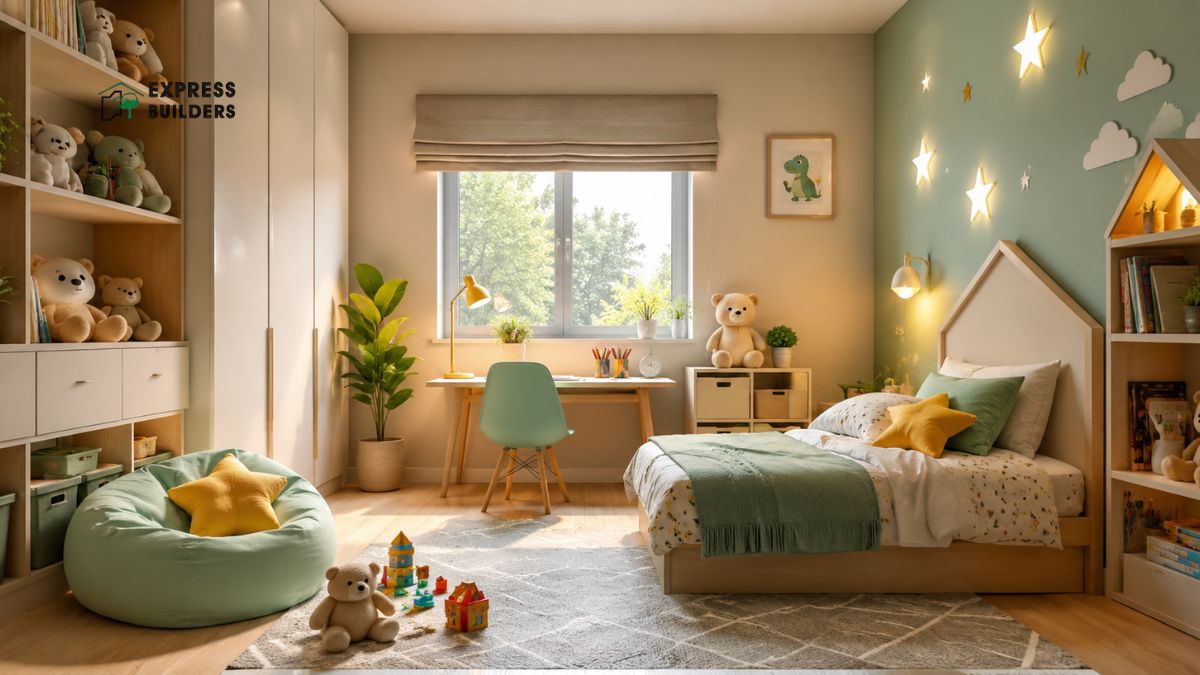
Every child deserves a room that feels truly their own. Kids room design goes far beyond choosing a paint colour. It shapes how your child plays, learns, and rests. A thoughtfully designed space supports creativity and healthy development. It also grows with your child as they change over the years. Whether you are starting fresh or redesigning, the right approach makes all the difference. This guide covers everything you need to know about kids room design.
Why Kids Room Design Truly Matters
Children spend most of their time inside their rooms. A well-designed room actively supports their mental and physical development. Colours influence a child’s mood and energy levels significantly. Smart layouts encourage independence and organised habits. Poor design, on the other hand, can cause stress and frustration. Investing in thoughtful kids room design gives your child a strong foundation.
Research consistently shows that children thrive in orderly, stimulating spaces. A good room design reduces clutter and boosts concentration. It also makes bedtime routines smoother and more enjoyable. Parents benefit too, as a well-designed room is much easier to maintain.
Safety First: The Golden Rule of Kids Room Design
Safety is always the top priority in any kids room design project. Children are naturally curious and tend to explore every corner. You must childproof every element before anything else. Use rounded-edge furniture to prevent accidental injuries. Anchor heavy furniture, like bookshelves and wardrobes, firmly to the wall. Choose non-toxic, VOC-free paints for all surfaces in the room.
Cover electrical outlets with safety plugs or use socket guards. Keep small decorative items away from toddlers and young children. Use rugs with non-slip backing to prevent slipping on smooth floors. Install window guards or safety latches on all accessible windows. A safe room gives both children and parents genuine peace of mind.
Choosing the Right Colour Palette for a Kids Room
Colour plays a powerful role in kids room design. Soft pastels create calm, restful environments perfect for sleep. Bright, bold colours energise the room and stimulate creative play. Neutral tones like white, grey, and beige offer long-lasting versatility. You can layer colourful accents through bedding, curtains, and accessories easily.
Involve your child in the colour selection process. Children feel a sense of ownership when you include their preferences. Opt for light, warm tones in smaller rooms to make them feel spacious. Avoid using very dark shades across all four walls of the room. A two-tone approach often works beautifully in most kids rooms.
Colour Ideas by Age Group
- Toddlers (1–3 years): Soft yellows, mint greens, and light blues work best.
- Young children (4–8 years): Bright, primary colours add fun and energy.
- Pre-teens (9–12 years): Muted tones like dusty blue, sage green, or terracotta suit this age.
Smart Furniture Choices for Kids Room Design
Furniture is the backbone of any kids room design plan. Choose pieces that serve multiple purposes whenever possible. A bed with built-in drawers beneath it maximises floor space efficiently. A loft bed with a study area below works brilliantly for school-age children. Modular furniture adapts easily as your child grows and their needs change.
Avoid overcrowding the room with too many furniture pieces. Every item must earn its place through usefulness and practicality. Look for durable materials that can withstand rough play and daily use. Solid wood and high-quality MDF are excellent long-term investments. Always measure the room carefully before purchasing any furniture.
Storage Solutions That Keep Kids Rooms Tidy
Effective storage is one of the biggest challenges in kids room design. Children accumulate toys, books, and craft supplies at an incredible pace. Built-in shelves use vertical space efficiently without eating floor area. Use labelled bins and baskets so children can tidy up independently. Open, low-level shelving makes it easy for young children to reach things.
A dedicated wardrobe with child-height hanging rails encourages self-dressing habits. Under-bed storage works perfectly for seasonal clothing and spare bedding. Wall-mounted pegboards keep art supplies accessible and rooms clutter-free. Toy chests add seating and storage in a single, dual-purpose piece. Good storage systems transform a chaotic kids room into an organised haven.
Creating a Dedicated Learning Corner in the Room
Every child needs a specific spot in their room for studying. A well-designed study corner improves focus and academic performance significantly. Position the study desk near a natural light source whenever possible. Avoid placing the desk directly facing a wall without any windows. Good lighting prevents eye strain during long homework or reading sessions.
Use an ergonomic chair that supports your child’s posture properly. Install a pinboard or small whiteboard above the desk for notes and reminders. Keep the study area free of distracting toys and play items. A small bookshelf beside the desk keeps study materials within arm’s reach. This dedicated zone signals to your child that learning time is important.
Designing a Play Zone That Sparks Imagination
Play is the primary language of childhood and development. Every kids room design should include a thoughtfully planned play zone. Keep the play area away from the sleep and study zones clearly. Use soft flooring options like foam mats or thick rugs for safety. A themed corner, like a mini kitchen or reading nook, fuels imagination.
Wall-mounted chalkboard panels encourage artistic expression and creativity. A small tent or teepee creates a cosy, private reading or play spot. Rotate toys regularly to keep the space fresh and engaging for children. Avoid overcrowding the play zone, as children need open space to move freely. A well-planned play area actively supports cognitive and social development.
Lighting Strategies for a Well-Designed Kids Room
Lighting dramatically affects the mood and functionality of any room. Kids rooms need multiple lighting layers to serve different purposes effectively. Bright overhead lights work well during active play and daytime activities. Soft, warm bedside lamps create a calming atmosphere at bedtime. A dimmable light system gives parents flexible control throughout the day.
Use a focused task light on the study desk to reduce eye strain. Night lights comfort younger children and prevent trips in the dark. Choose LED bulbs, as they run cool, last longer, and consume less energy. Avoid hanging lights with dangling cords within a child’s reach. Natural light boosts mood and is always the best primary light source.
Popular Themes for Inspiring Kids Room Design
A theme ties all the design elements of a kids room together beautifully. Popular themes make the room feel cohesive, fun, and uniquely personal. Choose a theme your child connects with, not just what looks trendy. Timeless themes age better and require fewer costly redesigns later.
Here are some perennial favourites for kids room design:
- Nature and jungle themes with earthy greens and animal motifs.
- Space and galaxy themes with deep blues, stars, and planet decals.
- Ocean themes featuring soft aquas, sea creatures, and sandy textures.
- Minimalist themes with clean lines, neutral tones, and simple decor.
- Storybook themes with murals, whimsical furniture, and pastel colours.
Kids Room Design Tips for Smaller Spaces
Small rooms can feel spacious and functional with the right design choices. Use light colours on walls and ceilings to visually open up the space. Mirrors strategically placed on walls make any small room feel larger. Built-in wardrobes and shelves eliminate the need for bulky freestanding furniture. Opt for a loft bed or bunk bed to maximise vertical space cleverly.
Keep the floor as clear as possible to create a sense of openness. Use multipurpose furniture like ottomans with storage or fold-down desks. Curtains hung close to the ceiling draw the eye upward and add height. Avoid heavy, dark drapes that absorb light and make rooms feel smaller. Every smart choice counts enormously in a compact kids room.
Design a Kids Room That Grows with Your Child
The best kids room design adapts as your child grows and changes. Avoid overly themed furniture that becomes irrelevant after a few years. Invest in neutral base furniture and use accessories to add personality. Changing cushions, wall art, and bedding costs far less than new furniture. A convertible cot-to-bed is a smart early investment for young families.
Choose a desk that adjusts in height as your child grows taller. Built-in shelving can easily transition from toy storage to a book collection. Use removable wall decals instead of painted murals for easy updates. A room that evolves with your child saves money and avoids wasted resources. Plan for the long term right from the very beginning.
Quick Kids Room Design Tips to Remember
- Always involve your child in design decisions to build excitement.
- Prioritise natural ventilation and air quality in the room layout.
- Use washable fabrics and paints to make maintenance much easier.
- Keep a small display wall for your child’s artwork and achievements.
- Review and declutter the room every six months to keep it fresh.
Frequently Asked Questions About Kids Room Design
Q1. What is the best colour for a kids room?
There is no single best colour for every kids room. The right choice depends on your child’s age, personality, and the room’s size. Soft pastels like mint green and lavender work beautifully for toddlers. Bright yellows and blues energise the rooms of active school-age children. For pre-teens, muted, sophisticated tones feel more age-appropriate and stylish. Always test paint samples on the wall before committing to a final choice.
Q2. How do I design a kids room for two children?
Sharing a room works well with the right planning and thoughtful design. Use bunk beds or loft beds to maximise floor space for both children. Give each child a distinct zone with their own colour accents and storage. A room divider, bookshelf, or curtain can create a sense of personal space. Ensure both children have individual study areas and storage for their belongings. Involve both kids in the design process to avoid conflict and build ownership.
Q3. How do I make a small kids room feel bigger?
Several design strategies help a small kids room feel open and spacious. Use light, neutral paint colours on both the walls and the ceiling. Install built-in furniture to eliminate bulky freestanding pieces that crowd the space. Hang curtains near the ceiling to draw the eye upward and add visual height. Use a loft bed to free up valuable floor space for play and movement. Place a mirror on one wall to double the perceived size of the room.
Q4. How often should I redesign my child’s room?
You do not need to redesign the entire room every few years. A few strategic updates can completely refresh the look without a full overhaul. Swap out bedding, wall art, and accessories every two to three years. A major furniture update makes sense at key developmental stages, like starting school. If you invest in neutral base furniture from the start, updates cost much less. Focus on timeless design elements that remain relevant for the longest possible time.
Final Words
Great kids room design is both an art and a thoughtful science. It balances safety, functionality, creativity, and your child’s evolving needs perfectly. Every design decision, from the colour on the wall to the storage beneath the bed, shapes your child’s daily experience. A well-designed kids room nurtures independence, supports learning, and fuels imagination. Start with a clear vision, involve your child, and build a space they will love. The effort you invest today creates lasting memories and comfort for years to come.
Ready to Design Your Child’s Dream Room?
At Express Builder, we bring your kids room design vision to life. Our expert team helps you plan every detail, from layout to finishes. Book a free site visit today and let us build a space your child will treasure forever. Contact Express Builder now and take the first step toward your child’s perfect room.
Book Your Free Site Visit with Express Builder Today!
