
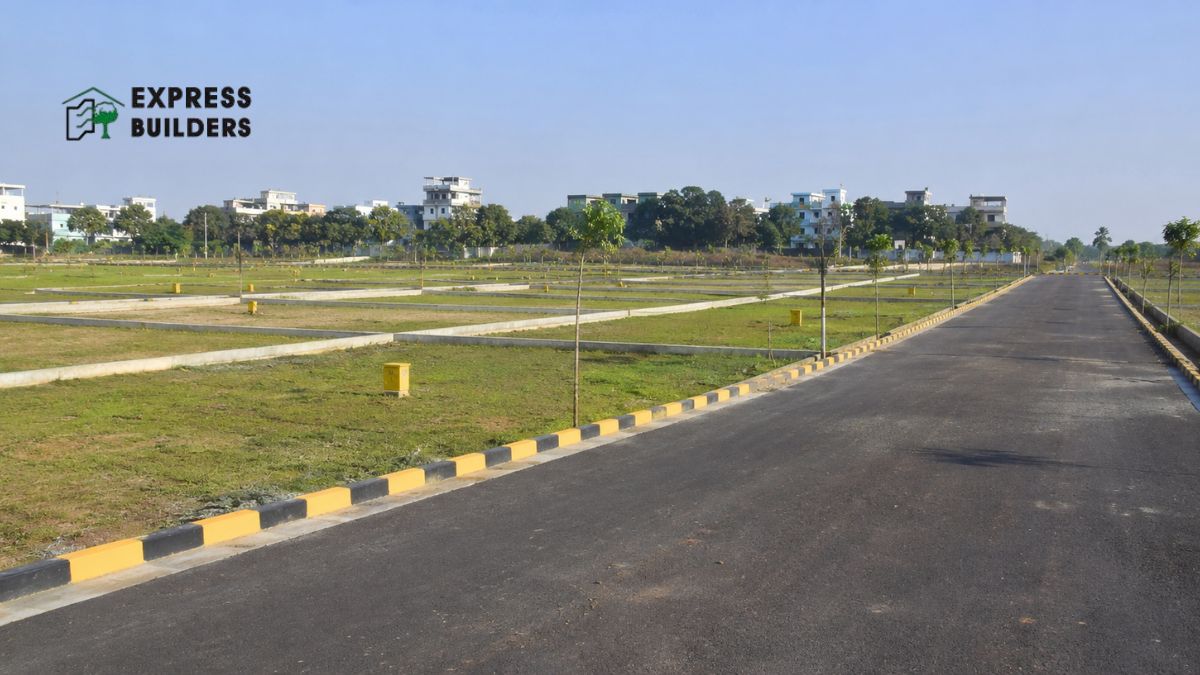
Owning a piece of land is a goal that many Indian families work toward for years. Government-backed plot schemes make this goal more reachable. The HUDA Plot Scheme is one such initiative that has helped thousands of families across Haryana. It offers affordable, government-regulated plots in planned urban sectors. The HUDA Housing Scheme was introduced in 1962 to help people from different income groups purchase plots at reasonable prices. If you are exploring plot ownership in Haryana, this guide covers everything you need to know.
What Is the HUDA Plot Scheme?
HUDA stands for Haryana Urban Development Authority. In recent years, HUDA has been renamed as HSVP, which stands for Haryana Shahari Vikas Pradhikaran. The authority operates under the Haryana government and manages urban planning across the state. The scheme aims to make property ownership more attainable through transparent e-auctions or lottery-based allotments. It covers residential, commercial, and industrial plot categories. The scheme operates across multiple cities and sectors in Haryana.
HSVP is the organisation that ensures the proper growth of urban areas, the provision of essential infrastructure, and the easy conduct of the allotment of housing and land in the state. The authority acquires land, develops infrastructure, and then releases plots to eligible applicants. This process ensures that buyers receive legally clear and planned properties.
Why the HUDA Plot Scheme Matters in 2026
The Haryana Shehri Vikas Pradhikaran has outlined an ambitious development roadmap for 2026 that focuses on expanding residential housing while making allotment processes more transparent and accessible. As part of this plan, the authority is set to introduce nearly 8,000 new residential plots across different cities in Haryana.
Key urban centres such as Gurugram, Faridabad, and Sonipat are expected to receive a major share of these plots due to consistently high demand from homebuyers. This expansion signals strong intent from the government to meet growing urban housing demand.
A notable aspect of this expansion is its strong emphasis on affordable housing. More than 7,000 of the proposed plots are reserved for Economically Weaker Sections and Below Poverty Line applicants. This marks a significant push toward inclusive urban development in the state.
Additionally, the authority has also simplified its digital auction system. Changes to the e-auction policy include a reduction in interest charged on delayed instalments, bringing the rate down from 14% to 12%. This gives genuine financial relief to allottees managing their payments.
Types of Plots Available
The HUDA Plot Scheme covers multiple categories of plots. Residential plots form the most popular category among homebuyers. Commercial plots suit small business owners and investors. Industrial plots are available for manufacturing or warehouse use.
The scheme allows applicants to choose from different plot sizes ranging from 60 to 200 square yards for residential plots. The most common sizes include 6 Marla, 8 Marla, 10 Marla, one Kanal, and two Kanal plots. Buyers can select a size that fits their construction budget and household requirements.
Where Are HUDA Plots Located?
Residential or commercial plots under the HUDA scheme are available in main urban areas such as Gurugram, Faridabad, Panchkula, Jind, and Hisar. The authority identifies sectors based on planned urban growth corridors. Plots are released in identified sectors with civic infrastructure like roads, water, and electricity in place or planned for development. Buyers can therefore expect basic amenities from the time of possession.
Under the HUDA current residential scheme, different zones are identified for potential development. High potential zones include Gurgaon, Faridabad, and Panchkula. Medium potential zones include Panipat, Karnal, and Bahadurgarh.
Who Can Apply: Eligibility Criteria
The eligibility rules for the HUDA Plot Scheme are straightforward and transparent. You must meet the following conditions to apply:
Only permanent residents of Haryana are eligible to avail the scheme. The applicants need to be at least 18 years old. Income levels differ according to the plot category, with certain percentages reserved for EWS. It is required that neither the applicant nor their family possesses any residential or commercial property in the same estate. Applicants should not have any outstanding dues with HSVP or any other government agency.
For the EWS category, the annual family income should not exceed Rs. 3 lakhs. The LIG category typically includes those earning between Rs. 3 lakhs and Rs. 6 lakhs annually. The MIG category generally covers incomes from Rs. 6 lakhs up to Rs. 18 lakhs. These income limits decide which plot category an applicant can target.
NRI applicants may also participate. NRIs and Persons of Indian Origin can apply for certain HUDA or HSVP housing schemes. They are required to submit documents such as a valid passport and PAN card. Financial procedures may differ slightly, as NRI applicants may need to follow specific banking and payment guidelines.
Documents You Need to Arrange
Preparing your documents in advance saves time during the application process. You will typically need the following:
Aadhaar Card or Voter ID as identity proof, a domicile certificate to confirm Haryana residency, income certificate for EWS and LIG categories, a declaration of non-ownership of property, passport-sized photographs, and bank account details for EMD refund processing.
All documents must be submitted in the prescribed format during the application. Incomplete or incorrect submissions may lead to rejection. Verify all details before submitting the application form.
How to Apply for the HUDA Plot Scheme
Applying for the HUDA upcoming plot scheme is a fully online process designed to be transparent and user-friendly. Follow these steps to complete your application:
- Visit the official HSVP portal at hsvphry.org.in. Look for active or upcoming plot scheme notifications on the website.
- Click on the relevant scheme link to begin registration.
- Enter accurate personal, residential, and income details in the form.
- Upload scanned copies of all required documents in the correct format.
- Complete the online payment for the registration fee and EMD.
- Submit the form and save the application number for future reference.
If you have further queries on the application process, you can get support at the toll-free helpline number at 18001803030.
Understanding the Allotment Process
HSVP uses two main methods to allot plots: lottery draw and e-auction. Residential plots in a new sector are allotted by inviting applications in the leading newspapers. Allotment is made by conducting the draw from the applications received against the advertisement. All the successful applicants are issued a letter of allotment including all terms and conditions of allotment and mode of schedule of payment.
For e-auction plots, applicants must register, pay a small service fee of around Rs. 1,000, and deposit an EMD, usually 5% to 10% of the base price. Bidding takes place within a fixed time frame, and the highest bidder wins. After winning, the applicant must complete payments within the given schedule.
Payment Structure After Allotment
The selected applicant must pay 25% of the cost of the HUDA plot, minus the amount paid during registration, within 30 days. The remaining 75% must be paid within 180 days of allotment. Alternatively, buyers may opt for instalment-based payment with applicable interest. Banks also extend home loans for HUDA plot purchases. The usual practice is for the bank to give a loan amount of 70% to 90% of the land cost, depending on the borrower’s profile.
Key Benefits of Investing in a HUDA Plot
The HUDA Plot Scheme delivers several advantages over buying plots in the open market:
- Government-regulated pricing ensures buyers pay fair market-linked rates.
- Title clarity reduces the risk of ownership disputes significantly.
- Planned sector development brings roads, water, and power supply.
- Freedom to construct lets buyers build homes based on their own designs.
- HUDA plots situated in areas surrounding Gurugram and Panchkula have become very valuable over recent years due to increased urbanisation and improved infrastructure.
- The scheme also supports long-term investment goals. Plots in government sectors tend to appreciate steadily as the surrounding area matures.
Construction Rules You Must Know
Once you receive possession of a HUDA plot, construction must follow the Haryana Building Code. No fixed height limit applies to residential buildings. However, any structure exceeding 30 meters requires clearance from the National Airports Authority. Both covered and open parking must be provided as per applicable guidelines. Obtain all clearances before beginning any construction work on your allotted plot.
The HUDA Plot Scheme remains one of the most reliable ways to secure land in Haryana at regulated prices. With nearly 8,000 new plots planned for 2026 and a simplified digital process in place, more families can now access this opportunity.
If you are looking beyond plots and want a ready-to-move-in home near Ghaziabad, Express Builder presents Express One in Vasundhara. Experience thoughtfully designed residences with modern amenities in a prime NCR location. Book your site visit today and take the first step toward your dream home. Visit expressbuilder.in to know more.
Frequently Asked Questions
Q1. What is the HUDA Plot Scheme, and who runs it?
The HUDA Plot Scheme is a government-initiated land allotment programme run by the Haryana Shahari Vikas Pradhikaran, formerly known as the Haryana Urban Development Authority. The authority offers residential, commercial, and industrial plots in planned urban sectors across Haryana. It operates under the Haryana state government and follows a transparent, regulated allotment process through e-auctions and lottery draws. The scheme was launched in 1962 and has been serving homebuyers and investors across income categories ever since.
Q2. Who is eligible to apply for the HUDA Plot Scheme in 2026?
Applicants must be permanent residents of Haryana and at least 18 years of age. Neither the applicant nor their immediate family should own a residential or commercial property in the same urban estate. The scheme targets EWS, LIG, and MIG income categories, with annual income limits of up to Rs. 3 lakhs, Rs. 6 lakhs, and Rs. 18 lakhs respectively. NRIs and Persons of Indian Origin may also apply under specific guidelines by submitting a valid passport and PAN card.
Q3. How does the online application and allotment process work?
The application process is fully online through the official HSVP portal at hsvphry.org.in. Applicants fill in personal and income details, upload required documents, and pay the registration fee along with the Earnest Money Deposit. Allotment happens either through a lottery draw or a live e-auction, depending on the scheme type. Successful applicants receive a letter of allotment and must pay 25% of the plot cost within 30 days. The remaining 75% is payable within 180 days of allotment.
Q4. Can bank loans be availed for purchasing HUDA plots?
Yes, most major banks and housing finance companies offer loans for purchasing HUDA and HSVP plots. Banks typically finance between 70% and 90% of the plot cost, depending on the applicant’s income, credit score, and repayment capacity. Buyers must provide the allotment letter, identity proof, income documents, and property-related papers to process the loan application. Since HSVP plots carry clear government-backed titles, lenders generally treat them as low-risk collateral, making approvals relatively smooth for eligible applicants.
