
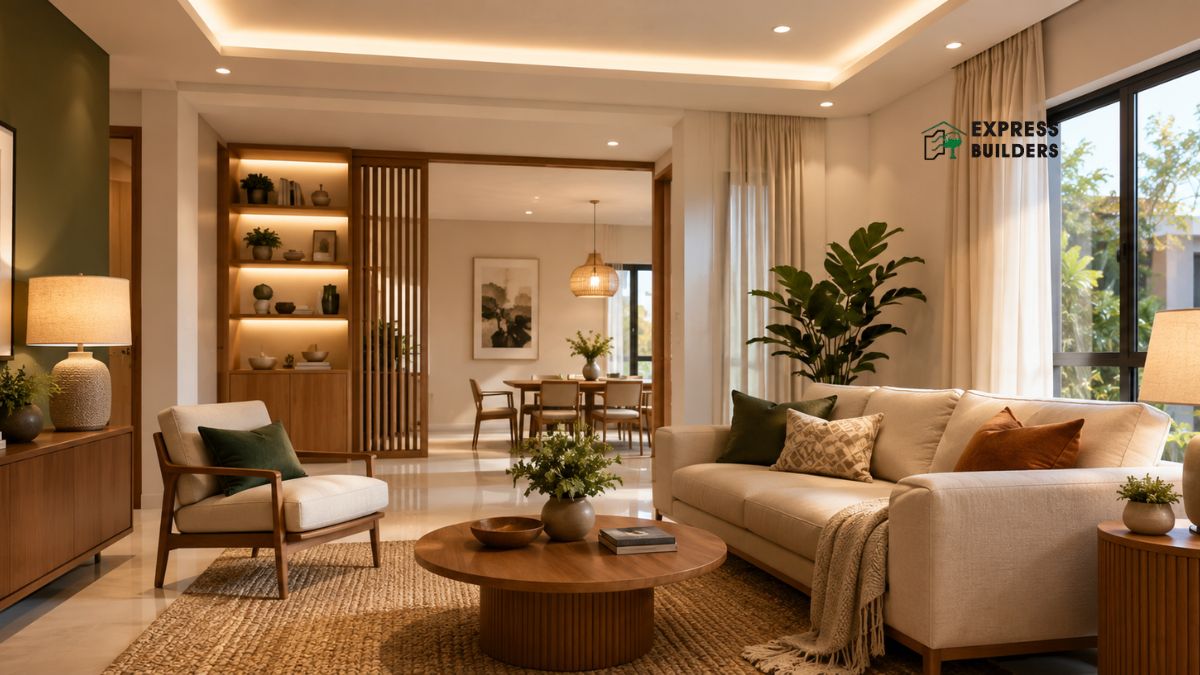
Moving into a new home is an exciting milestone. You finally have a blank canvas to express your style. But decorating from scratch can feel overwhelming. Where do you begin? What do you prioritise?
The good news is that great interior decoration does not require a big budget or a professional designer. You simply need the right interior decoration tips and a clear plan. In this guide, we share five quick and practical tips to help you decorate your new home beautifully. Each tip is easy to follow and delivers a strong visual impact.
Whether you prefer a modern minimalist look or a cosy traditional feel, these tips work for every style. Read on and start transforming your new home today.
Tip 1: Start With a Colour Palette You Love
Colour is the foundation of every well-decorated home. It sets the mood and ties every room together. Before you buy a single piece of furniture, choose your colour palette.
How to choose the right colours
Start by identifying the feeling you want each room to evoke. Soft blues and greens create a calm, restful atmosphere. Warm yellows and oranges bring energy and positivity. Deep charcoals and navies add sophistication and depth.
Pick a primary colour, a secondary colour, and an accent colour. Use the 60-30-10 rule for balance. Apply 60% of your primary colour on walls, 30% of your secondary colour on furniture and upholstery, and 10% of your accent colour on accessories.
Pro tips for colour success
- Test paint swatches on your walls before committing.
- Observe the colours in natural and artificial light at different times of the day.
- Use neutral tones like white, beige, or grey as a safe base.
- Add bold colours through cushions, rugs, and artwork.
A well-chosen colour palette makes every room feel intentional and polished. It is one of the most powerful interior decoration tips you can use.
Tip 2: Choose Furniture That Fits Your Space
Furniture choices can make or break your interior decoration. Oversized furniture makes a room feel cramped. Tiny furniture makes it feel empty and cold. The key is to choose pieces that suit your room’s scale.
Measure before you buy
Always measure your rooms before purchasing any furniture. Create a simple floor plan on paper or use a free online tool. Mark the dimensions of your walls, doors, and windows. Then check if your chosen furniture fits comfortably within that space.
Leave at least 90 centimetres of walkway between furniture pieces. This ensures easy movement and makes the room feel open and breathable.
Multi-functional furniture saves space and money
In smaller homes, multi-functional furniture is your best friend. Choose a sofa bed for the guest room. Pick a coffee table with built-in storage. Use ottomans that double as extra seating. These smart choices save space and reduce clutter.
- Select furniture with clean lines for a modern look.
- Use light-coloured furniture to make small rooms feel larger.
- Invest in quality pieces for high-use areas like the living room and bedroom.
- Mix textures, wood, metal, and fabric, for visual interest.
Furniture that fits your space well creates harmony and comfort. It is a critical element of any effective interior decoration plan.
Tip 3: Use Lighting to Create Ambience
Lighting is one of the most underrated interior decoration tips. Most homeowners focus only on furniture and colour. But the right lighting transforms any room from ordinary to extraordinary.
Layer your lighting for best results
Good interior lighting uses three layers. The first is ambient lighting, this is the general light that fills the room. The second is task lighting, this helps you perform specific activities like reading or cooking. The third is accent lighting, this highlights focal points like artwork, shelves, or architectural details.
Use ceiling lights or recessed downlights for ambient lighting. Add table lamps and floor lamps for task and accent lighting. Layer all three in every room for maximum effect.
Choose the right light temperature
Warm white light (2700K–3000K) creates a cosy and inviting atmosphere. It works well in bedrooms and living rooms. Cool white light (4000K–5000K) improves focus and visibility. It is ideal for kitchens, home offices, and study areas.
- Dimmer switches give you full control over the mood of each room.
- Use mirrors to reflect light and make small rooms feel bigger.
- Highlight architectural features with directional spotlights.
- Choose statement pendant lights above dining tables for drama.
Strategic lighting elevates your décor without major renovations. It is a quick and affordable way to improve any room’s appearance.
Tip 4: Decorate With Purposeful Accessories
Accessories breathe personality into your home. They tell your story and make your space feel uniquely yours. But too many accessories create clutter. The key is to decorate with purpose and intention.
The art of styled vignettes
A vignette is a small, curated arrangement of objects. Create vignettes on shelves, console tables, and mantlepieces. Group objects in odd numbers, three or five items look more natural than two or four. Vary the heights and textures of the objects you choose.
For example, combine a tall vase, a medium-sized candle, and a small decorative tray. Add a personal touch with a framed photo or a small potted plant. This simple arrangement instantly adds character to any surface.
Choose accessories that add function and beauty
The best accessories serve both a decorative and functional purpose. A beautiful woven basket stores blankets neatly. A decorative tray corrals remote controls on your coffee table. A stylish clock adds art to your wall while keeping you on time.
- Use indoor plants to add life, colour, and freshness to any room.
- Display books, magazines, and art that reflect your interests.
- Choose accessories in your colour palette to maintain cohesion.
- Edit ruthlessly, remove anything that does not add value or meaning.
Purposeful accessories complete your interior decoration story. They transform a house into a home with warmth and character.
Tip 5: Add Texture and Layers for Depth
A flat, one-dimensional room feels cold and uninviting. Texture adds depth, warmth, and visual interest to your interior decoration. It is one of the most effective interior decoration tips for creating a luxurious feel without spending a lot.
How to layer textures effectively
Start with your largest surfaces. Choose a textured rug for the living room or bedroom floor. Layer cushions and throws on your sofa in different fabrics, velvet, linen, and cotton all work beautifully together. Hang curtains in a fabric that contrasts with your walls.
Add texture to your walls with wallpaper, wall panels, or textured paint finishes. Even a gallery wall of framed artwork adds visual texture. These touches create a rich, layered look that feels professionally designed.
Mix natural and man-made materials
Combine natural materials like wood, stone, rattan, and jute with man-made materials like glass, metal, and ceramic. This contrast creates a balanced and interesting visual composition. It prevents any room from feeling either too cold or too rustic.
- Use a chunky knit throw over your sofa or armchair for instant cosiness.
- Place a woven jute rug under your coffee table for earthy warmth.
- Add a textured wallpaper feature wall to one room as a focal point.
- Mix matte and glossy finishes in the same colour family for subtle contrast.
Layering textures is the secret weapon of every skilled interior decorator. It makes a room feel rich, comfortable, and thoughtfully designed.
Frequently Asked Questions
Q1. What are the best interior decoration tips for a small home?
Focus on light colours, multi-functional furniture, and smart storage solutions. Use mirrors to reflect light and create the illusion of space. Choose furniture with raised legs to make rooms feel more open. Keep accessories minimal and purposeful. Vertical shelving draws the eye upward and maximises floor space without cluttering the room.
Q2. How do I choose the right colour scheme for my new home?
Start by identifying the mood you want in each room. Use the 60-30-10 rule, 60% primary colour, 30% secondary colour, and 10% accent colour. Test paint swatches on your walls and observe them at different times of day. Neutral base tones like white, grey, or beige are versatile and easy to build upon. Add bold colour through accessories and soft furnishings.
Q3. How can I decorate my new home on a tight budget?
Prioritise key anchor pieces like a sofa and dining table. Shop for accessories at local markets, thrift stores, or during seasonal sales. DIY your artwork by framing fabric, prints, or personal photos. Repurpose items you already own with a fresh coat of paint. Focus on lighting improvements, new lampshades and bulbs make a big difference at a low cost.
Q4. How important is lighting in interior decoration?
Lighting is extremely important and often underestimated. It directly affects how colours, textures, and furniture appear in a room. Poor lighting makes even beautiful décor look flat and dull. Layer ambient, task, and accent lighting in every room for the best results. Use dimmable lights to adjust the mood for different occasions and times of day.
Conclusion
Decorating your new home does not have to be stressful or expensive. These five interior decoration tips give you a clear roadmap to follow. Start with a colour palette you love. Choose furniture that fits your space. Layer your lighting for ambience. Decorate with purposeful accessories. And add texture to create depth and warmth.
Take one tip at a time and enjoy the process. Great interior decoration is about creating a space that feels right for you. Trust your instincts, experiment freely, and have fun making your new home your own.
Ready to Move Into Your Dream Home?
Express Builder delivers thoughtfully designed homes that give you the perfect canvas for your interior decoration journey.
Contact Express Builder today and book your FREE site visit!
Experience the space, feel the quality, and start planning your ideal interiors, before you even move in.
