
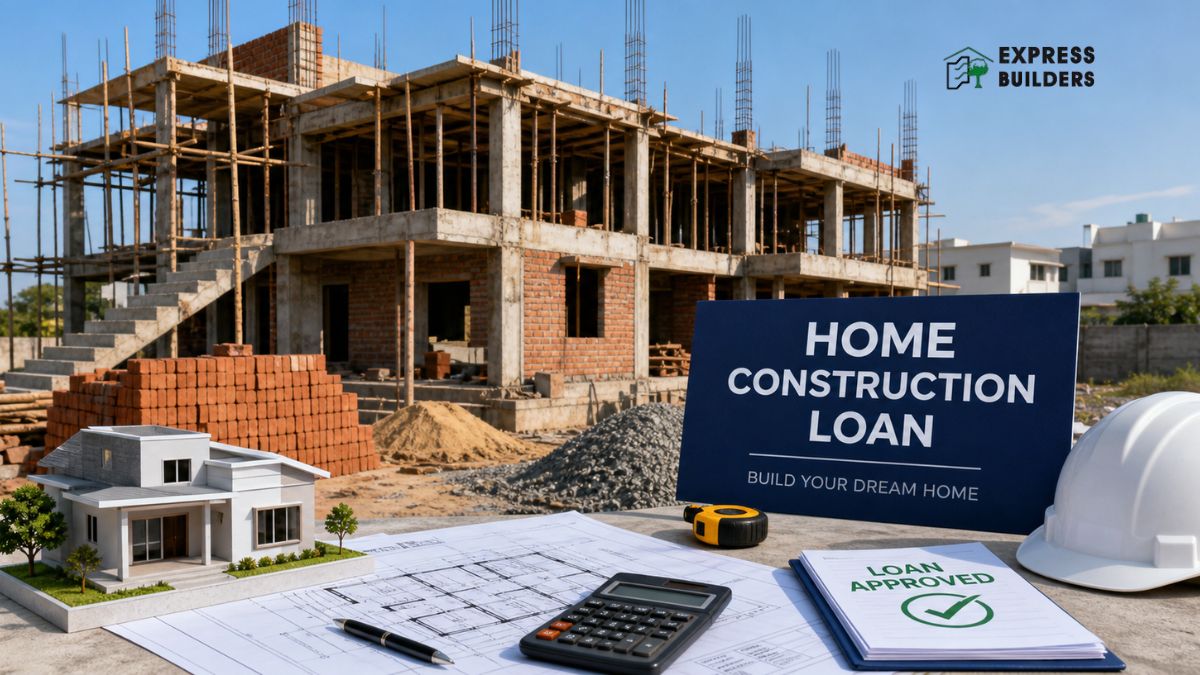
Building your own home is one of life’s most rewarding decisions. You choose the layout, finishes, and every detail. But funding a custom build is different from buying a ready home. Home construction loans make this dream possible. They provide flexible, staged financing designed specifically for new builds. This guide explains how these loans work, who qualifies, and how to use them wisely.
What Are Home Construction Loans?
A home construction loan is a short-term financing product. It funds the cost of building a residential property from the ground up. Unlike a standard mortgage, banks disburse this loan in stages. Each stage matches a specific phase of your construction timeline. You pay interest only on the amount disbursed so far. This keeps your early repayments manageable and cash flow healthy.
Once construction is complete, many lenders convert the loan into a standard home mortgage. Some borrowers choose to refinance at that point. Either way, the construction loan bridges the gap between your savings and your finished home.
Types of Home Construction Loans in India
Understanding your loan options helps you pick the right product. Here are the most common types available today.
1. Self-Construction Home Loan
This is the most straightforward type. You own a plot and want to build your house on it. The lender finances construction costs in multiple tranches. Each tranche is released after the bank verifies stage completion. This type is ideal for individuals building on inherited or purchased land.
2. Plot Plus Construction Loan
This loan covers both land purchase and construction costs together. It is a single, combined loan product. You do not need two separate loans or two rounds of paperwork. The bank disburses the plot amount first, then releases construction tranches gradually. This option suits buyers who are purchasing a new plot to build on.
3. Home Loan for Under-Construction Property
This applies when you buy a flat in a project still under construction. The developer receives funds in stages tied to construction milestones. You pay pre-EMI interest on disbursed amounts until possession. Full EMIs begin once the property is ready for handover. Always verify the developer’s track record before committing to this loan type.
How Does a Home Construction Loan Work?
The disbursement process follows a structured draw schedule. Banks typically divide the construction into four to six stages. Common stages include foundation, plinth, walls, roof slab, finishing, and final handover. An inspector or bank official visits the site before each release. They verify completion and confirm the funds were used correctly.
You must submit a detailed construction cost estimate with your application. The bank approves the total loan amount based on this estimate. They also consider your land value and your repayment capacity. Typically, lenders finance up to 75–85% of the total construction cost. You must cover the remaining 15–25% from your own funds.
Eligibility Criteria for Home Construction Loans
Every lender sets its own eligibility standards. However, common requirements across most banks include the following points.
- Age: Most lenders require applicants to be between 21 and 65 years of age.
- Income: A stable monthly income is essential for loan approval.
- Employment Type: Both salaried employees and self-employed individuals can apply.
- Credit Score: A CIBIL score of 700 or above significantly improves your chances.
- Land Ownership: You must own the plot or purchase it simultaneously with the loan.
- Construction Plan: A bank-approved building plan from a licensed architect is mandatory.
- Legal Clearances: The plot must have a clear title and all necessary permissions.
Documents Required for a Construction Loan
Gathering the right documents speeds up loan processing significantly. Keep both originals and photocopies ready from the start.
| Document Type | Examples |
| Identity Proof | Aadhaar Card, PAN Card, Passport |
| Address Proof | Utility Bill, Voter ID, Rent Agreement |
| Income Proof | Salary Slips, ITR, Bank Statements (6 months) |
| Property Documents | Sale Deed, Title Documents, NOC |
| Construction Documents | Approved Building Plan, Cost Estimate, Architect Certificate |
| Employment Proof | Appointment Letter or Business Registration Certificate |
Interest Rates on Home Construction Loans
Construction loan interest rates in India typically range from 8.5% to 11% per annum. Rates vary based on your lender, your credit profile, and market conditions. Banks offer both fixed and floating interest rate options. A floating rate adjusts with the repo rate set by the Reserve Bank of India. A fixed rate stays constant for an agreed period, giving you payment stability.
Most financial experts recommend a floating rate during declining rate cycles. Choose a fixed rate when rates are expected to rise. Always compare the Annual Percentage Rate (APR), not just the headline interest rate. APR includes processing fees and other charges that affect total loan cost.
Key Benefits of Choosing a Home Construction Loan
- Staged disbursement reduces your interest burden in the early months.
- You pay interest only on the amount released, not the full loan amount.
- You enjoy full control over design, materials, and construction quality.
- Tax deductions apply under Section 24(b) and Section 80C of the Income Tax Act.
- You can customize your home to meet your exact lifestyle needs.
- Construction loans are available for both urban and semi-urban locations.
Tax Benefits on Home Construction Loans
Borrowers enjoy significant tax advantages under Indian income tax law. You can claim deductions on both principal repayment and interest paid. Here is how each benefit works.
Section 80C – Principal Repayment
You can claim up to ₹1.5 lakh per year on principal repayments. This deduction is available only after construction is complete. Pre-completion principal repayments do not qualify for this benefit.
Section 24(b) – Interest Deduction
You can deduct up to ₹2 lakh per year on home loan interest paid. For under-construction properties, pre-construction interest is deductible in five equal instalments. These instalments begin from the financial year construction is completed.
Common Mistakes to Avoid With Construction Loans
Many first-time builders make avoidable errors during the loan process. Knowing these pitfalls helps you stay on track and on budget.
- Underestimating total construction costs and running short of funds midway.
- Delaying document submission and missing disbursement timelines.
- Not verifying the architect’s credentials before submitting building plans.
- Ignoring hidden charges like processing fees, legal fees, and insurance costs.
- Failing to track construction milestones tied to disbursement schedules.
- Choosing a lender without comparing interest rates, tenure, and flexibility.
- Skipping loan insurance, which protects your family in unforeseen situations.
Tips to Get Your Construction Loan Approved Faster
A well-prepared application dramatically speeds up approval timelines. Use these practical tips to strengthen your application.
- Maintain a CIBIL score above 750 for the best interest rate offers.
- Clear all existing loans or reduce your debt-to-income ratio before applying.
- Hire a reputed architect to prepare a detailed, bank-compliant construction plan.
- Get all property documents reviewed by a legal professional in advance.
- Choose a lender who specialises in construction loans for faster processing.
- Submit a realistic cost estimate that does not exceed standard market rates.
- Open a dedicated savings account to show the bank your contribution funds.
Construction Loan vs. Regular Home Loan: Key Differences
| Feature | Construction Loan | Regular Home Loan |
| Purpose | Fund new home construction | Purchase a ready property |
| Disbursement | In stages (tranches) | Lump sum at registration |
| Interest Payment | On disbursed amount only | On full loan from day one |
| Tenure | Shorter construction period | Up to 30 years |
| Flexibility | Customizable draw schedule | Fixed repayment schedule |
Read More: Plot Loan Guide 2026
How to Apply for a Home Construction Loan: Step-by-Step
Step 1: Assess Your Budget
Calculate total construction cost including materials, labour, and approvals.
Step 2: Check Your Eligibility
Review your income, credit score, and property documents carefully.
Step 3: Compare Lenders
Request loan quotes from multiple banks and NBFCs. Compare APR, tenure, and flexibility.
Step 4: Prepare Documentation
Organise all identity, income, and property documents in advance.
Step 5: Submit Your Application
Fill out the application form accurately and attach all required documents.
Step 6: Property Verification
The bank will send a legal and technical team to verify your plot and plans.
Step 7: Loan Sanction
Once approved, you receive a sanction letter with terms and conditions.
Step 8: Disbursement Begins
Funds are released stage by stage as construction progresses.
Final Words
Home construction loans empower you to build exactly the home you envision. They offer flexible disbursement, interest savings, and attractive tax benefits. The key is to plan thoroughly, compare lenders, and stay on schedule during construction. With the right loan and the right partner, your dream home is well within reach.
Frequently Asked Questions (FAQs)
Q1. What is the maximum loan amount I can get for home construction?
Most lenders offer up to 75–85% of the total construction cost. The exact amount depends on your income, credit score, land value, and the lender’s internal policy. Some premium lenders may fund up to 90% for highly creditworthy applicants. Always confirm the loan-to-cost ratio with your lender before finalising your budget.
Q2. Can I get a home construction loan without an approved building plan?
No. An approved building plan from a licensed architect is a mandatory requirement. Banks use this plan to assess cost estimates and disburse funds in stages. Without it, your application will not move forward. Get your plan approved by the local municipal authority before applying for the loan.
Q3. How long does it take to get a home construction loan approved?
Approval timelines typically range from 7 to 21 working days. This depends on how quickly you submit documents and how fast the bank’s legal and technical team completes verification. Applicants with a strong credit profile and complete documents usually experience faster approvals.
Q4. What happens if I fail to complete construction within the stipulated time?
Most lenders set a construction completion deadline, usually 2 to 5 years. Failing to complete on time may result in penalties or the lender recalling the undisbursed amount. Always build a buffer timeline into your project plan. Communicate proactively with your lender if delays are unavoidable.
Time To Invest in Express Builders
