
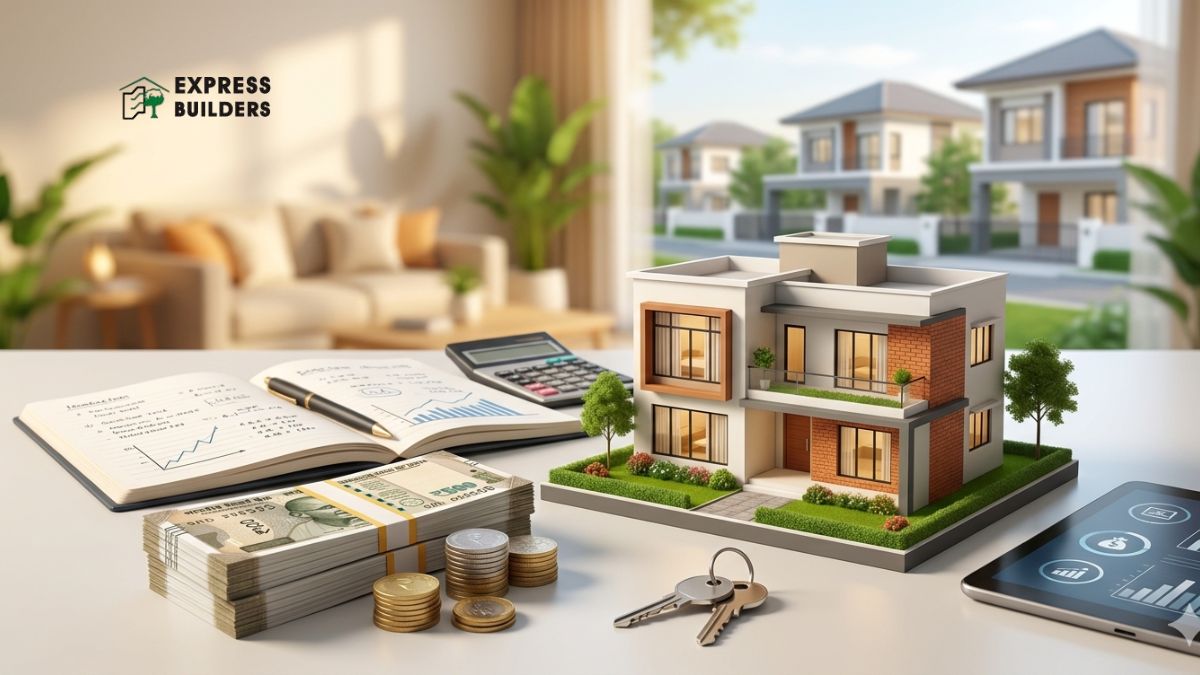
Buying a home is one of the biggest financial decisions in your life. A down payment home loan plays a central role in this journey. It determines your loan eligibility, monthly EMI, and long-term financial health.
Most homebuyers feel confused about how much to pay upfront. They also wonder how it affects their home loan approval.
What Is a Down Payment on a Home Loan?
A down payment is the initial amount you pay from your own pocket. You pay this before the lender disburses the home loan. It is a percentage of the total property value.
Lenders do not finance 100% of the property cost. They cover a portion, called the Loan-to-Value (LTV) ratio. You must arrange the remaining amount yourself.
For example, if a home costs ₹50 lakhs, you may need ₹10–15 lakhs as a down payment. The lender then funds the remaining ₹35–40 lakhs.
How Much Down Payment Do You Need?
The Reserve Bank of India (RBI) sets the Loan-to-Value ratio guidelines. These guidelines vary based on the loan amount.
- Loans up to ₹30 lakhs: LTV up to 90%, so down payment is 10%
- Loans between ₹30–75 lakhs: LTV up to 80%, so down payment is 20%
- Loans above ₹75 lakhs: LTV up to 75%, so down payment is 25%
These are minimum requirements. Many buyers choose to pay more. A higher down payment reduces your loan burden and overall interest outgo.
A larger upfront payment also improves your chances of loan approval. Lenders view high down payments as lower risk.
Read More: Home Loan Prepayment Charges
Why Does the Down Payment Matter So Much?
Your down payment directly impacts several aspects of your home loan. It affects your EMI, interest rate, and financial flexibility. Here is why it matters:
1. Lower Loan Amount
A bigger down payment means you borrow less money. A smaller loan leads to lower monthly EMIs. You also pay significantly less interest over the loan tenure.
2. Better Interest Rates
Lenders reward buyers who pay more upfront. They often offer lower interest rates for such applicants. Even a 0.25% rate reduction saves lakhs over a 20-year loan.
3. Faster Loan Approval
A high down payment signals financial discipline to lenders. They feel more confident lending to such buyers. This can speed up your loan approval process significantly.
4. No Private Mortgage Insurance (PMI) in Some Cases
Some lenders waive additional insurance costs for large down payments. This reduces your overall cost of borrowing. Always check terms with your lender directly.
Sources You Can Use for a Down Payment
Not everyone has ready savings for a large down payment. There are several legitimate sources you can consider.
- Personal savings: The most straightforward and preferred source by lenders.
- Provident Fund (PF) withdrawal: You can use your PF balance for a home purchase.
- Liquid investments: Fixed deposits, mutual funds, and stocks can fund your down payment.
- Gifts from family: Many lenders accept monetary gifts from close relatives.
- Sale of existing assets: Selling old property, gold, or vehicles can boost your savings.
Avoid taking personal loans or credit card advances for the down payment. Lenders may reject your application if they find borrowed funds in the source of payment.
Smart Tips to Save for Your Down Payment
Building a down payment corpus requires planning and discipline. Start early and stay consistent with your savings strategy.
- Set a clear target: Decide the home value range and calculate your required down payment.
- Open a dedicated savings account: Keep your down payment funds separate from daily expenses.
- Automate your savings: Set up monthly auto-transfers to your dedicated account.
- Invest in short-term instruments: Recurring deposits and debt mutual funds offer safe, steady growth.
- Cut unnecessary expenses: Review subscriptions, dining habits, and discretionary spending.
Down Payment vs. Higher EMI: What Is Better?
Many buyers ask: “Should I pay more upfront or stretch my loan tenure?” The answer depends on your financial situation.
Paying a larger down payment reduces your interest liability significantly. Over 20 years, you could save several lakhs in interest payments.
However, do not exhaust your emergency fund for a down payment. You always need a financial cushion for unexpected expenses.
A balanced approach works best. Pay a reasonable down payment and keep 3–6 months’ expenses in reserve. This protects you against financial emergencies.
Government Schemes That Help First-Time Buyers
First-time homebuyers can benefit from several government-backed schemes. These programs reduce the financial burden of purchasing a home.
- Pradhan Mantri Awas Yojana (PMAY): Eligible buyers receive an interest subsidy on their home loan. This effectively reduces the loan amount and monthly EMI.
- Credit Linked Subsidy Scheme (CLSS): This scheme offers upfront subsidy on home loans for eligible income groups.
- State Government Schemes: Several states offer additional subsidies and grants. Check your state housing board for available benefits.
These schemes can reduce your effective down payment requirement. They also improve your overall affordability. Always check your eligibility before applying.
Common Mistakes to Avoid With Down Payments
Many buyers make costly mistakes when arranging their down payment. Avoid these errors to protect your finances.
- Draining your entire savings: Always maintain a financial buffer for emergencies after paying the down payment.
- Using borrowed money: Personal loans as down payment sources raise red flags with lenders.
- Ignoring additional costs: Registration, stamp duty, and maintenance charges add to your upfront costs.
- Paying too little: A very low down payment increases your EMI burden and total interest cost.
- Delaying your decision: Property prices generally rise over time, making early planning essential.
How to Choose the Right Home Loan for Your Budget
Your down payment strategy should align with the right home loan product. Use these steps to pick wisely.
- Compare interest rates: Even a small rate difference creates a big impact over 15–20 years.
- Check processing fees: Some lenders charge high fees that add to your upfront costs.
- Understand prepayment terms: Choose a loan that allows easy part-payment without penalties.
- Evaluate top-up loan options: Some lenders offer extra funds for interiors and furnishing later.
- Read the fine print: Always understand all clauses before signing the loan agreement.
Final Words
A well-planned down payment home loan strategy can transform your home-buying experience. It reduces your loan burden, lowers interest costs, and speeds up approval.
Start saving early, choose your funding sources wisely, and explore government schemes. A little financial discipline today brings you closer to your dream home.
Your home is more than an asset, it is a foundation for your future. Plan your down payment carefully and move forward with confidence.
Frequently Asked Questions
What is the down payment in a home loan?
A down payment is the upfront amount you pay from your own funds when buying a home. The lender does not finance 100% of the property value, they cover a portion called the Loan-to-Value (LTV) ratio, and you must arrange the rest yourself. For example, if a property costs ₹60 lakhs and the lender covers 80%, you pay ₹12 lakhs as the down payment. It can come from personal savings, provident fund withdrawals, liquid investments, or gifts from family members.
Is the down payment 20% or 25%?
It depends on your loan amount, as per RBI’s LTV guidelines:
- Loans up to ₹30 lakhs: LTV up to 90%, so down payment is 10%
- Loans between ₹30–75 lakhs: LTV up to 80%, so down payment is 20%
- Loans above ₹75 lakhs: LTV up to 75%, so down payment is 25%
So the answer is both 20% and 25%, it just depends on the loan size. Most urban homebuyers taking loans in the ₹30–75 lakh range typically deal with a 20% down payment requirement.
What is the 20/30/40 rule in home buying?
The 20/30/40 rule is a popular personal finance guideline to budget your home purchase responsibly:
- 20% – Pay at least 20% of the property value as your down payment. This keeps your EMI manageable and reduces total interest paid.
- 30% – Your monthly home loan EMI should not exceed 30% of your monthly gross income. Crossing this limit strains your monthly budget.
- 40% – Your total monthly debt obligations (home loan + car loan + any other EMIs) should not exceed 40% of your gross income.
- This rule ensures you buy a home you can genuinely afford without compromising your financial health or emergency savings.
What is the minimum down payment for a home loan?
The minimum down payment in India is 10% of the property value, applicable only for loans up to ₹30 lakhs as per RBI guidelines. For higher loan amounts, the minimum rises to 20% or 25%. Additionally, you must account for costs not covered by the loan at all, such as stamp duty, registration charges, and maintenance deposits, which can add another 5–8% to your upfront outgo. So while the technical minimum is 10%, most buyers should realistically plan for 15–30% of the total property cost to cover all initial expenses comfortably.
Ready to Move Into Your Dream Home?
Express Builder brings you thoughtfully designed homes that match your lifestyle and budget. Take your first step toward homeownership today with our expert guidance and flexible payment plans.
Connect with Express Builder today and let our team help you plan your down payment and home loan with ease.
Walk through our premium properties and experience the quality firsthand. Our on-site experts will guide you through home loan options, down payment planning, and all the support you need, at no cost to you.
