
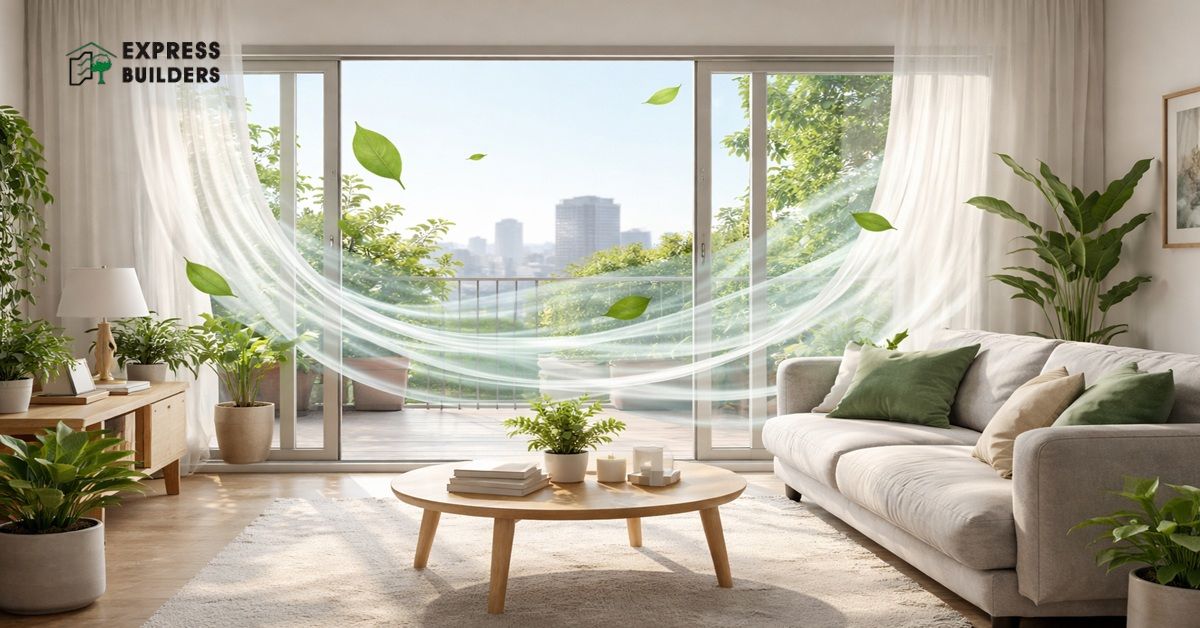
In a rapidly growing urban landscape like Delhi NCR, where high-rise apartments, gated societies, and compact living spaces are becoming the norm, one essential aspect of healthy living often gets overlooked: The Importance of ventilation. While homebuyers focus on location, amenities, and interiors, the significance of proper airflow is just as critical.
Understanding The Importance of Ventilation is not just about comfort; it directly impacts your health, energy efficiency, and overall quality of life. In a region where pollution levels can spike and temperatures fluctuate dramatically, ventilation becomes a necessity rather than a luxury.
Let’s explore why ventilation matters, how it affects your everyday life, and what homebuyers in Delhi NCR should look for.
What is Ventilation?
Ventilation refers to the process of supplying fresh air into a space while removing stale indoor air. This can be achieved through natural methods like windows and balconies or mechanical systems such as exhaust fans and HVAC systems.
In simple terms, ventilation ensures:
- Continuous air circulation
- Removal of pollutants and moisture
- A fresh and breathable indoor environment
The Importance of Ventilation for Health
One of the most significant reasons why ventilation is essential is its direct impact on human health.
1. Reduces Indoor Air Pollution
Delhi NCR frequently experiences high levels of air pollution. While people assume indoor spaces are safer, indoor air can often be more polluted due to:
- Dust accumulation
- Cooking fumes
- Chemicals from cleaning products
- Poor airflow
Proper ventilation helps flush out these harmful pollutants and replace them with cleaner air.
2. Prevents Respiratory Issues
Poorly ventilated homes can lead to:
- Allergies
- Asthma
- Breathing discomfort
Fresh airflow reduces the concentration of airborne contaminants, making your home safer, especially for children and elderly family members.
3. Controls Humidity and Prevents Mould
Excess moisture in homes can lead to:
- Damp walls
- Mold growth
- Musty odours
Ventilation helps regulate humidity levels, preventing structural damage and health risks.
Why Ventilation is Critical in Delhi NCR Homes
Living in Delhi NCR presents unique environmental challenges that make ventilation even more important.
1. High Pollution Levels
With rising vehicular emissions and industrial activity, outdoor air quality often drops. Ironically, this makes controlled ventilation even more essential to ensure indoor air doesn’t become stagnant and toxic.
2. Extreme Weather Conditions
Delhi NCR experiences:
- Scorching summers
- Cold winters
- Humid monsoons
Proper ventilation helps:
- Keep homes cool in summer
- Reduce dampness during monsoon
- Maintain fresh air circulation year-round
3. Compact Urban Living
Modern apartments often have limited open space. Without thoughtful design, this can lead to poor airflow. Homes with cross-ventilation become highly desirable in such scenarios.
Types of Ventilation in Modern Homes
Understanding different types of ventilation can help homebuyers make informed decisions.
1. Natural Ventilation
This is the most traditional and cost-effective method.
Features:
- Windows placed opposite each other
- Balconies and open spaces
- Ventilators
Benefits:
- Energy-efficient
- Eco-friendly
- Promotes cross airflow
2. Mechanical Ventilation
Used in modern buildings where natural airflow is limited.
Examples:
- Exhaust fans
- Air purifiers
- HVAC systems
Benefits:
- Controlled airflow
- Useful in kitchens and bathrooms
- Works even in tightly sealed homes
3. Hybrid Ventilation
A combination of natural and mechanical systems for optimal performance.
Key Benefits Highlighting The Importance of Ventilation
- Improved Indoor Air Quality: Proper ventilation ensures a steady flow of fresh air while removing stale, polluted indoor air. This helps reduce dust, allergens, and harmful toxins, creating a healthier living environment and improving overall well-being for all occupants.
- Enhanced Comfort: A well-ventilated home feels naturally pleasant in every season. It remains cooler during summers, less humid during the monsoon, and maintains a fresh, airy atmosphere that makes everyday living more comfortable.
- Energy Efficiency: Good airflow reduces reliance on air conditioners and air coolers. Natural ventilation helps regulate indoor temperature, leading to lower electricity consumption and significantly reduced energy bills over time.
- Odour Removal: Effective ventilation quickly eliminates cooking smells, smoke, and other indoor odours. It prevents stale air from lingering, ensuring your home always smells clean and fresh.
- Better Sleep Quality: Fresh air circulation improves oxygen levels indoors, which helps relax the body and mind, leading to deeper, more restful sleep and improved overall health.
Ventilation and Real Estate Value
In today’s real estate market, ventilation is no longer just a functional feature, it’s a major selling point.
Why Homebuyers Prefer Well-Ventilated Homes:
- Health-conscious lifestyle choices
- Increased awareness of indoor air quality
- Demand for sustainable living
Properties with:
- Large windows
- Open layouts
- Cross-ventilation
Often command higher value and faster sales.
Signs of Poor Ventilation in a Home
Before buying or renting a property, look out for these warning signs:
- Persistent bad odour
- Damp walls or peeling paint
- Condensation on windows
- Feeling suffocated indoors
- Frequent allergies or breathing issues
If you notice these, the property may lack proper airflow.
How to Ensure Good Ventilation in Your Home
Whether you’re buying a new home or improving your current one, here are practical tips:
- Check for Cross Ventilation: Always ensure your home has proper cross ventilation, where windows or openings are placed on opposite walls. This setup allows fresh air to flow freely across rooms, pushing out stale air and maintaining a constant circulation that keeps the space fresh and breathable.
- Opt for Larger Windows and Balconies: Homes with bigger windows and open balconies allow more natural light and air to enter. These features not only improve ventilation but also create a brighter and more inviting living environment throughout the day.
- Use Exhaust Fans: Installing exhaust fans is essential, especially in kitchens and bathrooms where moisture, smoke, and odours are common. They help remove humid and polluted air quickly, preventing dampness and maintaining hygiene.
- Keep Windows Open When Possible: Make it a habit to open windows for a few hours daily. This simple practice allows fresh air to circulate, reduces indoor pollution, and improves overall air quality significantly.
- Add Indoor Plants: Indoor plants act as natural air purifiers. They enhance freshness, reduce toxins, and add a calming, green touch to your living space.
- Avoid Overcrowding: Excess furniture and clutter can block airflow. Keeping spaces open ensures smooth air movement and better ventilation throughout your home.
Ventilation in Modern Township Planning
Modern residential developments are increasingly prioritising ventilation at the planning stage.
Design Features That Promote Ventilation:
- Wide internal roads
- Open green spaces
- Low-density layouts
- Strategic building orientation
These factors ensure that each home receives adequate airflow and natural light.
The Role of Architecture in Ventilation
Good ventilation is not accidental; it’s the result of thoughtful architectural planning.
Key architectural considerations:
- Direction of Prevailing Winds: Architects consider the natural wind direction while designing homes to ensure maximum airflow enters the living spaces, keeping interiors fresh and well-ventilated.
- Strategic Window Placement: Properly positioned windows allow smooth cross ventilation, enabling fresh air to circulate across rooms while pushing out stale air effectively.
- Adequate Building Spacing: Sufficient distance between buildings ensures that airflow is not obstructed, allowing natural light and air to reach every part of the home.
- Height and Layout of Structures: The height and layout of a building influence how air moves within the space, helping maintain a balanced and comfortable indoor environment.
- Better Living Conditions: Homes designed with these architectural elements offer improved comfort, better air quality, and reduced dependence on artificial cooling systems.
Homes designed with these elements naturally offer better living conditions.
Ventilation and Sustainable Living
As cities move toward eco-friendly development, ventilation plays a vital role in sustainability.
How Ventilation Supports Sustainability:
- Reduces energy consumption
- Minimises carbon footprint
- Promotes natural cooling
In a city like Delhi NCR, where energy demand is high, this becomes especially important.
Future of Ventilation in Urban Homes
With increasing awareness, the future of housing is shifting towards:
- Smart Ventilation Systems: Automated systems that adjust airflow based on indoor conditions are becoming more common, ensuring consistent comfort and efficiency.
- Air Quality Monitoring: Homes are now equipped with sensors that track pollution levels, humidity, and airflow, helping residents maintain a healthier environment.
- Focus on Green Buildings: Sustainable construction practices and green building certifications prioritise proper ventilation as a key feature.
- Evolving Homebuyer Preferences: Today’s buyers are more informed and actively look for homes that offer better air circulation, improved health benefits, and overall comfort in urban living spaces.
Homebuyers are now more informed and actively seek properties that prioritise health and comfort.
The Bottom Line is…
Understanding The Importance of Ventilation is essential for anyone looking to buy or live in a home in Delhi NCR. It goes beyond just airflow; it’s about creating a healthier, more comfortable, and sustainable living environment.
From improving air quality and reducing health risks to enhancing property value and energy efficiency, ventilation plays a critical role in modern urban living. As cities become more crowded and environmental challenges grow, well-ventilated homes will continue to stand out as the preferred choice.
When choosing your next home, don’t just look at the size or location, pay close attention to how well it breathes. Because a home with good ventilation isn’t just a place to live, it’s a space where you can truly thrive.
